
Ever had that sinking feeling when your heavy garage cabinets start to shift, tilt, or worse—pull away from the wall? I remember the exact moment I realized my workspace was becoming a safety hazard. One day, I reached for my toolbox, and the entire cabinet wobbled ominously. That lightbulb moment made me rethink my anchoring strategy, especially on that stubborn, aging brick wall. Since then, I’ve dedicated myself to finding reliable solutions to keep my storage secure and safe.
Why Proper Anchoring Matters More Than You Think
Are Heavy-Duty Fixes Really Necessary?
When I first started installing garage cabinets, I underestimated the importance of robust anchoring. I used basic toggles and hoped for the best, only to watch some shelves sag and shift over time. The reality is, aging brick walls pose unique challenges—crumbling mortar, uneven surfaces, and wear and tear—making standard fixes inadequate. According to a study from the Fine Homebuilding, improper anchoring can lead to catastrophic failure of heavy fixtures, risking injury and costly repairs. Early mistakes include neglecting to use heavy-duty anchors designed for brick, which can cause the entire setup to become unstable—something I learned the hard way. That’s why investing in the right anchors and installation techniques isn’t just smart; it’s essential for long-term safety and peace of mind.
What You’ll Discover Today
In this post, I’ll share my personal insights and proven methods—specifically, 5 heavy-duty anchor fixes—that have transformed my garage into a safe, organized haven. Whether you’re dealing with crumbling mortar, uneven surfaces, or simply want a more secure setup, I’ll guide you through effective solutions that stand the test of time. Ready to stop worrying about your garage storage pulling away or collapsing? Let’s dive into the practical fixes that will fortify your space and give you one less thing to stress over.
Choose the Right Anchors for Your Brick Wall
My first step was to assess the brick wall’s condition and select anchors compatible with brick and mortar. I opted for expansion anchors designed for masonry, which can handle heavy loads without damaging the wall. I learned the hard way that using household screws or generic toggles can lead to pull-outs and safety hazards. For a detailed comparison of anchor types and how to select them, visit this guide on steel plate fixes. To proceed, measure the thickness of your wall to choose the correct length of anchors, ensuring they anchor firmly into the brick rather than just mortar.
Mark and Drill Precise Holes
Step 1: Position Your Cabinets
Set your cabinets in place, then use a pencil to mark the location of each mounting hole onto the wall. To avoid misalignments, use a level and a measuring tape. I once marked the wrong spots and wasted time, so double-check your measurements. For complex or uneven surfaces, consider scribing or shim adjustments before marking. Once satisfied, drill holes at the marked points using a masonry bit matching your anchors’ size. Remember, slow and steady drilling prevents wall damage and keeps holes accurate.
Step 2: Insert the Anchors
Tap the expansion anchors into the drilled holes using a hammer until flush. If you encounter resistance, stop and confirm the drill size matches the anchor. For extra security, you can use a setting tool or screwdriver to expand the anchors inside the wall cavity. This technique creates a firm grip that resists pulling force—crucial for heavy cabinets and shelving.
Mounting the Cabinets Safely
Align the mounting brackets or holes on your cabinets with the anchors in the wall. Use a level to ensure everything stays true, especially if your wall surface is uneven. Once aligned, fasten the cabinets securely with appropriate screws. I recommend stainless steel or zinc-coated screws to prevent rust. During my installation, I used a cordless drill with a clutch setting to avoid over-tightening, which could crack the brick or damage anchors. Tighten gradually, checking alignment often, until the cabinets feel solid and wobble-free.
Verify Stability and Adjustments
After installation, gently test the cabinets’ stability. If there’s any movement, identify loose anchors or misalignments and tighten or reposition as needed. To reinforce the fixation, consider adding steel braces or steel plates at stress points—these move are especially helpful in high-traffic or heavy-duty setups. For additional tips, explore these heavy-duty fixes.
Applying these concrete steps transformed my wobbly setup into a secure storage solution. Proper anchoring doesn’t just protect your belongings; it ensures safety in your workspace for years to come. When in doubt, consulting with a professional for custom solutions or more complex installations can be worthwhile—details at our contact page.
 When it comes to built-in cabinetry and vanities, many homeowners operate under assumptions that can jeopardize the longevity and functionality of their spaces. One prevalent myth is that simply anchoring hardware securely guarantees stability. In reality, the effectiveness of installation hinges on understanding wall materials, load distribution, and the specific hardware used. For example, installing a heavy built-in onto drywall without steel studs or reinforcement can lead to sagging or failure over time, despite seemingly secure fittings, as highlighted in industry expert analyses on structural support.
Many assume that standard fasteners suffice for all applications. However, advanced mistakes include neglecting the importance of steel framing behind walls or overlooking the benefits of steel plates and internal braces, which can distribute weight more evenly and prevent sagging. For instance, utilizing heavy-duty steel brackets or internal steel support frames can dramatically extend the lifespan of your installation, especially for items like quartz vanities or expansive media shelves.
A common misconception among DIY enthusiasts is that all finishes and materials age equally under stress. In reality, certain materials like stone or engineered wood require specific mounting techniques to counteract their weight and risk of cracking or warping. Failing to incorporate hidden steel reinforcement or moisture-resistant barriers—especially around plumbing cutouts—can lead to cracking or loosening down the line.
What many forget is the critical role of precision alignment and securing load points across multiple contact zones. For example, in high-traffic areas where heavy built-ins are common, integrating multiple steel brackets, steel plates, or steel core supports at strategic points ensures the system remains perfectly aligned and prevents sagging or damage caused by uneven load distribution.
Have you ever fallen into this trap? Let me know in the comments. To avoid these costly mistakes, it’s wise to dig a little deeper into advanced installation techniques and support strategies. For specialized guidance, consider consulting experts or visiting resources like our detailed articles on [smart storage solutions](https://customcabinetrypro.com/effortless-storage-solutions-for-a-tidy-stylish-home) or [innovative built-in ideas](https://customcabinetrypro.com/built-in-storage-ideas-to-declutter-and-enhance-your-home). Proper support not only prolongs the life of your built-ins but also ensures safety and aesthetic appeal for years to come. Remember, investing in the right hardware, steel reinforcements, and precision alignment techniques pays off in durability and peace of mind.
Maintaining your built-in storage systems and vanities requires more than just proper installation — it demands the right tools and consistent care to ensure durability and safety over time. In my experience, the right equipment can make all the difference, preventing issues before they arise and extending the lifespan of your installations.
Invest in a Quality Cordless Drill and Impact Driver
I use a high-torque, variable-speed cordless drill paired with a brushless impact driver because they offer precision and power without the hassle of cords. Their adjustable clutch settings prevent over-tightening screws into delicate materials like drywall or soft wood, reducing the risk of cracking or stripping. For example, a Milwaukee M18 FUEL drill paired with the M12 Impact Driver has reliably handled my installations, especially when anchoring steel plates or steel studs for heavy builds. These tools streamline the process, making tasks like installing steel core brackets or steel braces much safer and faster, ultimately saving time and reducing errors.
Master the Use of Specialized Masonry Anchors
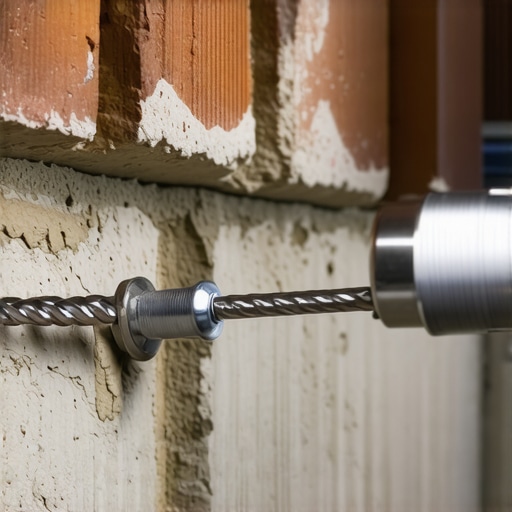
For securing built-ins on masonry walls, I rely heavily on high-quality heavy-duty anchors. These anchors, such as sleeve anchors or wedge anchors, are designed for concrete and brick, providing a secure hold that withstands shifting and weight over years. According to industry expert Michael Byrne, author of Structural Concrete, choosing the right anchor involves assessing load requirements and wall materials meticulously. I always measure wall thickness precisely to select the appropriate length and type, avoiding the pitfall of anchors that don’t penetrate deep enough.
Use a Precision Level and Scribing Tools
Leveling built-in units isn’t just about ensuring aesthetic appeal; it’s vital for long-term stability. I recommend a combination of a digital laser level for accuracy and a scribing tool for fitting units into uneven corners or out-of-plumb spaces. When installing vanity cabinets, especially in older homes with warped walls, these tools make it possible to create seamless fits, prevent sagging, and reduce future adjustments. I often incorporate a laser level from Bosch or Leica, which helps me verify both horizontal and vertical alignments across multiple points quickly.
Predicting Trends in Maintenance and Tools
Looking forward, I believe smart tools equipped with Bluetooth connectivity and integrated app controls will become the norm, allowing for real-time diagnostics and maintenance alerts. Innovations like IoT-enabled wall anchors or steel plate sensors could help detect stress points early, preventing failure before it happens, in much the same way structural engineers now use strain gauges for critical infrastructure.
How do I keep my built-ins performing over time?
Routine inspections are essential. Checking for loose connections, unusual creaks, or shifts in alignment can catch small problems before they escalate. Applying a silicone-based lubricant to moving parts or hinges, and retightening screws annually, helps maintain stability. For complex systems, consider advanced techniques like steel reinforcement or internal braces, especially if you notice early sagging or misalignment — details I explore in context-rich articles like this piece on steel bracing. Additionally, upgrading tools and hardware over time, as industry standards evolve, ensures your storage solutions remain resilient for years to come.
Take my tip to heart: invest in a quality impact driver and learn to properly assess wall materials with specialized anchors. These choices will make your projects more precise and durable. For tailored advice on long-term maintenance or to discuss your specific setup, don’t hesitate to reach out. Your built-in storage can stay strong and reliable with the right approach and tools!
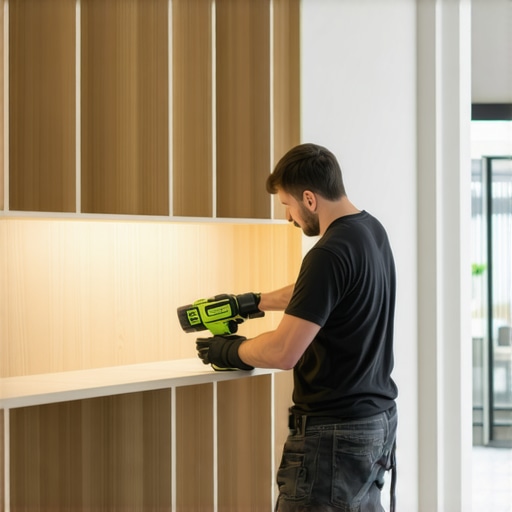
Image of a professional using a digital laser level and impact driver during built-in installation, highlighting precision tools in action.
Little Lessons That Changed Everything
One of my most eye-opening realizations was that even the best anchors can fail if not installed correctly. I once hurried through a drill, ignoring the importance of wall material and anchor type, and just like that, a heavy shelf sagged. That moment taught me to always double-check wall conditions and select anchors tailored to the material, especially on aging brick walls which demand extra care.
Another tricky lesson was understanding that wall condition isn’t just about surface appearance. Crumbling mortar and uneven surfaces can sabotage your efforts, making steel plates and internal braces indispensable. It’s not enough to secure to the mortar; embedding anchors into the brick mass ensures long-term stability.
Finally, I learned the value of patience and precision. Using a laser level and scribing tools might seem meticulous, but they can be the difference between a wobble and a rock-solid installation. Taking your time to measure, level, and align guarantees your built-ins stand tall for years.
Gear Up with My Favorite Resources and Tools
If you’re serious about DIY built-in projects, these resources will be game-changers: First, our guide to innovative storage solutions offers insights into wall reinforcement techniques that have kept my projects durable. Second, this step-by-step guide simplifies even complex installations and saves me time. Third, I rely heavily on my trusted impact driver — a powerful, adjustable tool that prevents over-tightening and wall damage, especially important when working with brick or steel supports. Lastly, precision laser levels from brands like Bosch or Leica help me achieve perfect alignment, essential for heavy or large built-ins.
Investing in quality tools and trustworthy resources doesn’t just improve the project; it extends your installation’s lifespan and boosts your confidence. For more tips, explore our effortless storage solutions to make your home not only more organized but more resilient.
Your Turn to Transform Your Space
Mastering the art of secure and durable built-in installations is within your reach. With patience, proper tools, and a willingness to learn, you can create storage systems that last a lifetime. Don’t let initial mistakes hold you back—each project is a step toward a safer, more organized home. Remember, the right support and technique turn a wobbly shelf into a masterpiece of stability.
Have you ever struggled with finding the perfect anchoring method for a challenging wall? Share your experience below and let’s learn together!