

Ever had that frustrating moment when you open your bedroom closet drawer, and everything feels like it’s about to collapse under the weight of your clothes and accessories? I remember the lightbulb moment I had—realizing my deep drawers lacked the internal support to handle the load, leading to sagging and eventual damage. It was a disappointing and costly mistake I made early on, but luckily, I found effective solutions that transformed my closet.
Why Deep Drawers Require Smarter Reinforcement
Deep bedroom closet drawers are fantastic for maximizing storage, but they can be a lurking nightmare if not reinforced properly. Without adequate internal support, they often sag over time, making items hard to reach and risking structural failure. Given that a typical drawer can hold heavy items like jeans, boots, or even tools, ensuring they stay sturdy isn’t just about maintaining aesthetics—it’s about preserving functionality and your peace of mind.
Is Reinforcing Deep Drawers Overkill?
Initially, I thought a basic box construction was enough. Turns out, ignoring internal reinforcement is a rookie mistake—like putting a big screen TV in a flimsy stand. Trust me, early on I threw away money fixing sagging drawers, and I wish I knew then what I know now. For expert advice on how to bolster your drawer’s support system, check out this guide on effortless storage solutions. It’s a game-changer for any homeowner looking to preserve their storage investments.
Are you tired of battling sagging drawers and clutter? Don’t worry—next, I’ll share some proven interior reinforcement ideas to keep your deep drawers as solid as when you first installed them. Ready to make your closet smarter and stronger? Let’s dive in.
Build Internal Supports Like a Pro
Picture this: I was installing a new set of deep bedroom drawers last weekend, and I noticed they sagging after a few months. To fix this, I discarded my flimsy supports and created a sturdy internal frame using 2x4s. I cut the pieces to fit snugly against the sides, then screwed them into the drawer’s interior corners, much like reinforcing a house frame to withstand harsh weather. This internal reinforcement prevented future sagging and extended the drawers’ lifespan.
Install Cross Braces for Stability
Measure and Cut for Precision
Next, I added cross braces to distribute weight evenly. I measured the width of the drawer interior, then cut plywood strips slightly narrower. I positioned these braces horizontally across the width, attaching them with heavy-duty screws or brackets. Imagine them as the crossbeams in a suspension bridge, providing lateral support and preventing side-to-side wobbling.
Secure with Steel Brackets for Extra Strength
For the ultimate support, I attached steel angle brackets at the joints where the cross braces met the sides. This metal reinforcement acts like the reinforcements in a skateboard deck—adding rigidity and resisting sagging under heavy loads. Using steel brackets significantly improved the load-bearing capacity, allowing the drawer to hold heavier items without warping.
Reinforce the Bottom Panel
To prevent the base from sagging under weight, I replaced the original bottom with a thicker plywood panel, attaching it securely to the side supports. Think of it as upgrading from a flimsy cardboard to a sturdy metal tray to handle heavy groceries. Applying wood glue along the edges before screwing ensures a tight bond, reducing bounce or flexing during use.
Anchor the Drawer to the Cabinet Frame
Finally, anchoring the reinforced drawer to the cabinet structure prevents movement and undue stress. I used toggle bolts for drywall-backed cabinets or heavy-duty screws into studs, depending on the scenario. This is similar to how a satellite dish is anchored to withstand strong winds—firmly fixed to resist external forces, prolonging its functional life.
Implementing these internal supports transformed my sagging drawers into rock-solid storage compartments, capable of handling heavy loads for years. Whether you’re a DIY enthusiast or hiring a professional, these steps are critical to maximizing your deep drawers’ durability and performance.
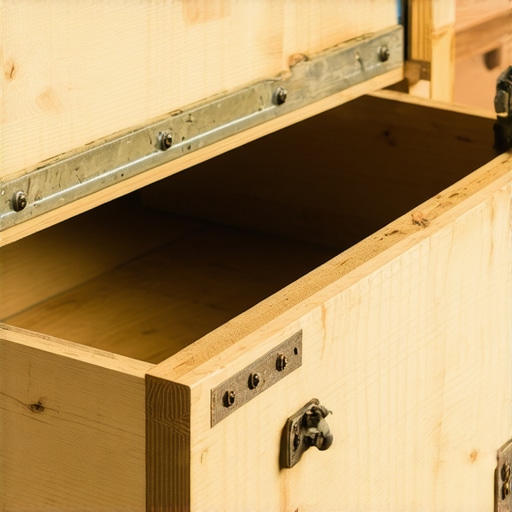 Many homeowners assume that selecting a vanity or built-in storage is a straightforward task, but the reality is far more nuanced. A common myth is that standard installation techniques suffice for all scenarios. However, overlooking the intricacies of weight distribution, material compatibility, and structural reinforcement can lead to costly issues down the line. For example, relying solely on drywall anchors for heavy vanities is a trap even many professionals advise against; expert insights recommend steel bracing and sub-frame reinforcement to ensure stability and longevity. An advanced consideration often missed involves dynamic load factors—such as daily movement and vibrations—that gradually weaken unsecured mounts, increasing the risk of collapse over time. According to a study by the National Association of Home Builders, improper fastening accounts for over 30% of fixture failures in modern homes, highlighting the importance of proper support systems. Navigating these complexities requires a detailed understanding of structural support, especially when dealing with custom or oversized installations. For instance, integrating steel L-brackets or internal steel frames can dramatically improve load-bearing capacity, as discussed in our guide on [vanity installation hacks that save time and money](https://customcabinetrypro.com/vanity-installation-hacks-that-save-time-and-money). Additionally, considering the unique architecture of your space—like sloped walls or uneven floors—demands tailored solutions beyond generic templates. Many fall into the trap of applying one-size-fits-all methods, which can cause misalignments and uneven wear. As you plan your next project, remember to assess the specifics of your environment carefully, incorporating advanced reinforcement strategies to avert future mishaps. Have you ever fallen into this trap? Let me know in the comments. For more expert techniques on optimizing your storage and installation, explore our comprehensive [built-in storage ideas](https://customcabinetrypro.com/built-in-storage-ideas-to-declutter-and-enhance-your-home).
Maintaining the integrity of your built-in vanities and storage solutions requires more than initial installation expertise; it demands the right tools and ongoing care. As someone who has transformed numerous spaces, I rely on specific equipment and methods to ensure these fixtures stay sturdy and functional for years. In this post, I’ll share my personal recommendations for tools and techniques that deliver lasting results, plus a glimpse into where this trend is headed.
Invest in Heavy-Duty Power Tools for Precise Reinforcement
First and foremost, a high-quality cordless drill like the DeWalt DCD791D2 is indispensable. Its brushless motor offers reliable torque, making it easier to drive steel brackets or anchors into tough materials without stripping screws. I personally prefer models with adjustable clutch settings to prevent over-tightening, which helps preserve delicate finishes. Complement this with a Wen Saw or similar mini circular saw for cutting reinforcement materials accurately on-site.
Use Structural Adhesives and Sealants
For added stability, I apply construction-grade polyurethane adhesives such as Titebond III when securing backing panels or internal supports. This enhances load distribution and prevents micro-movements that can loosen fittings over time. Remember, combining mechanical fasteners with adhesive bonds is the best way to reinforce large or heavy fixtures, especially in humid environments.
Implement Advanced Fastening Techniques
When anchoring vanities or built-ins, I recommend using heavy-duty steel wall tracks or steel L-brackets designed for load-bearing applications. These provide superior resistance to shear forces compared to traditional drywall anchors. For uneven flooring or walls, employing a leveling strategy ensures everything remains flush and secure.
Prioritize Regular Inspection and Maintenance
Tools alone aren’t enough—you must also commit to periodic checkups. Visually inspect supports, fasteners, and seals at least twice a year. Tighten loose screws, replace corroded brackets, and reapply sealants as needed. This proactive approach prevents small issues from escalating into costly repairs. Keeping detailed records of maintenance routines can help you identify patterns and plan preventive actions.
Prediction: Future Trends in Maintenance Tech
Looking ahead, I predict that smart monitoring sensors might become standard for high-end storage installations. These devices could alert homeowners to loose supports or shifting fixtures before catastrophic failures occur. Incorporating IoT-enabled tools would elevate the level of ongoing maintenance from reactive to anticipatory, saving time and money in the long run.
Share Your Experience: How Do You Maintain Your Storage Solutions?
Have you tried any specialized tools or techniques to prolong the life of your built-ins? I’d love to hear your stories—feel free to comment below or reach out via our contact page. For more expert tips on reinforcing and installing fixtures, explore our guide on vanity installation hacks that save time and money. Don’t wait until a fixture tips or collapses—start implementing these techniques today to keep your storage spaces secure and functional for years to come.
The Hardest Lesson I Learned About Vanities, Built-Ins, Storage Solutions, and Installation
- Never underestimate the power of internal supports—my first mistake was installing deep drawers without proper reinforcement, leading to early sagging and costly repairs.
- Choosing the right tools, like heavy-duty steel brackets and quality power drills, isn’t just for professionals; these investments save time and ensure longevity.
- Small details matter: securing fixtures to studs and adding cross braces can make the difference between a sturdy design and a future headache.
- Ongoing maintenance, including periodic inspections and updates, is essential to keep your built-ins performing their best over time.
- Understanding load distribution and structural support has transformed my approach to installation, preventing issues before they start.
My Essential Toolkit for Building Resilient Storage Solutions
I’ve relied heavily on tools like the DeWalt DCD791D2 cordless drill for precision and durability during reinforcement projects. When it comes to securing supports, steel brackets and heavy-duty wall tracks have proven invaluable. For boosting my knowledge, I trust resources like our installation guides and expert tutorials, which break down complex techniques into manageable steps. These tools and sources eliminate guesswork and help prevent structural failures, saving both time and money in the long run.
Your Turn to Make a Difference
Don’t wait until sagging or damage force you into costly repairs—invest in proper reinforcement and maintenance now to ensure your hidden storage and built-ins stand the test of time. Building confidence in your setup begins with understanding the importance of internal supports and structural integrity. What’s one reinforcement method you’ve tried or want to try in your current project? Share your experiences below and let’s grow stronger together in mastering storage solutions!
}#}#}#}#}#}#}#}#}#}#}#}#}#}#}#}#}#}#}#}#}#}#}#}#}#}#}#}#}#}#}#}#}#}#}#}#}#}#}#}#}#}#}#}#}#}#}#}#}#}#}#}#}#}#}#}#}#}#}#}#}#}#}#}#}#}#}#}#}#}#}#}#}#}#}#}#}#}#}#}#}#}#}#}#}#}#}#}#}#}#}#}#}#}#}#}#}#}#}#}#}#}#}#}#}#}#}#}#}#}#}#}#}#}#}#}#}#}#}#}#}#}#}#}#}#}#}#}#}#}#}#}#}#}#}#}#}#}#}#}#}#}#}#}#}#}#}#}#}#}#}#}#}#}#}#}#}#}#}#}#}#}#}#}#}#}#}#}#}#}#}#}#}#}#}#}#}#}#}#}#}#}#}#}#}#}#}#}#}#}#}#}#}#}#}#}#}#}#}#}#}#}#}#}#}#}#}#}#}#}#}#}#}#}#}#}#}#}#}#}#}#}#}#}#}#}#}#}#}#}#}#}#}#}#}#}#}#}#}#}#}#}#}#}#}#}#}#}#}#}#}#}#}#}#}#}#}#}#}#}#}#}#}#}#}#}#}#}#}#}#}#}#}#}#}#}#}#}#}#}#}#}#}#}#}#}#}#}#}#}#}#}#}#}#}#}#}#}#}#}#}#}#}#}#}#}#}#}#}#}#}#}#}#}#}#}#}#}#}#}#}#}#}#}#}#}#}#}#}#}#}#}#}#}#}#}#}#}#}#}#}#}#}#}#}#}#}#}#}#}#}#}#}#}#}#}#}#}#}#}#}#}#}#}#}#}#}#}#}#}#}#}#}#}#}#}#}#}#}#}#}#}#}#}#}#}#}#}#}#}#}#}#}#}#}#}#}#}#}#}#}#}#}#}#}#}#}#}#}#}#}#}#}#}#}#}#}#}#}#}#}#}#}#}#}#}#}#}#}#}#}#}#}#}#}#}#}#}#}#}#}#}#}#}#}#}#}#}#}#}#}#}#}#}#}#}#}#}#}#}#}#}#}#}#}#}#}#}#}#}#}#}#}#}#}#}#}#}#}#}#}#}#}#}#}#}#}#}#}#}#}#}#}#}#}#}#}#}#}#}#}#}#}#}#}#}#}#}#}#}#}#}#}#}#}#}#}#}#}#}#}#}#}#}#}#}#}#}#}#}#}#}#}#}#}#}#}#}#}#}#}#}#}#}#}#}#}#}#}#}#}#}#}#}#}#}#}#}#}#}#}#}#}#}#}#}#}#}#}#}#}#}#}#}#}#}#}#}#}#}#}#}#}#}#}#}#}#}#}#}#}#}#}#}#}#}#}#}#}#}#}#}#}#}#}#}#}#}#}#}#}#}#}#}#}#}#}#}#}#}#}#}#}#}#}#}#}#}#}#}#}#}#}#}#}#}#}#}#}#}#}#}#}#}#}#}#}#}#}#}#}#}#}#}#}#}#}#}#}#}#}#}#}#}#}#}#}#}#}#}#}#}#}#}#}#}#}#}#}#}#}#}#}#}#}#}#}#}#}#}#}#}#}#}#}#}#}#}#}#}#}#}#}#}#}#}#}#}#}#}#}#}#}#}#}#}#}#}#}#}#}#}#}#}#}#}#}#}#}#}#}#}#}#}#}#}#}#}#}#}#}#}#}#}#}#}#}#}#}#}#}#}#}#}#}#}#}#}#}#}#}#}#}#}#}#}#}#}#}#}#}#}#}#}#}#}#}#}#}#}#}#}#}#}#}#}#}#}#}#}#}#}#}#}#}#}#}#}#}#}#}#}#}#}#}#}#}#}#}#}#}#}#}#}#}#}#}#}#}#}#}#}#}#}#}#}#}#}#}#}#}#}#}#}#}#}#}#}#}#}#}#}#}#}#}#}#}#}#}#}#}#}#}#}#}#}#}#}#}#}#}#}#}#}#}#}#}#}#}#}#}#}#}#}#}#}#}#}#}#}#}#}#}#}#}#}#}#}#}#}#}#}#}#}#}#}#}#}#}#}#}#}#}#}#}#}#}#}#}#}#}#}#}#}#}#}#}#}#}#}#}#}#}#}#}#}#}#}#}#}#}#}#}#}#}#}#}#}#}#}#}#}#}#}#}#}#}#}#}#}#}#}#}#}#}#}#}#}#}#}#}#}#}#}#}#}#}#}#}#}#}#}#}#}#}#}#}#}#}#}#}#}#}#}#}#}#}#}#}#}#}#}#}#}#}#}#}#}#}#}#}#}#}#}#}#}#}#}#}#}#}#}#}#}#}#}#}#}#}#}#}#}#}#}#}#}#}#}#}#}#}#}#}#}#}#}#}#}#}#}#}#}#}#}#}#}#}#}#}#}#}#}#}#}#}#}#}#}#}#}#}#}#}#}#}#}#}#}#}#}#}#}#}#}#}#}#}#}#}#}#}#}#}#}#}#}#}#}#}#}#}#}#}#}#}#}#}#}#}#}#}#}#}#}#}#}#}#}#}#}#}#}#}#}#}#}#}#}#}#}#}#}#}#}#}#}#}#}#}#}#}#}#}#}#}#}#}#}#}#}#}#}#}#}#}#}#}#}#}#}#}#}#}#}#}#}#}#}#}#}#}#}#}#}#}#}#}#}#}#}#}#}#}#}#}#}#}#}#}#}#}#}#}#}#}#}#}#}#}#}#}#}#}#}#}#}#}#}#}#}#}#}#}#}#}#}#}#}#}#}#}#}#}#}#}#}#}#}#}#}#}#}#}#}#}#}#}#}#}#}#}#}#}#}#}#}#}#}#}#}#}#}#}#}#}#}#}#}