

Ever since I decided to upgrade my living room with those sprawling built-in shelves and cabinets, I hit a wall—literally. The shelves looked stunning, but surprisingly, beneath the surface, they were a nightmare of sagging and wobbling, threatening to pull away from the wall. One evening, as I stood there, holding up a massive bookcase while praying it wouldn’t fall, I realized I’d been missing a crucial trick: the hidden sub-frame hack. That was my lightbulb moment. Now, I want to share this game-changing technique with you, especially if you’ve ever faced similar headaches with supporting hefty built-ins.
Why Supporting Heavy Built-ins Feels Like a Wild Game of Jenga
Supporting large, weighty built-in furniture isn’t just about screwing brackets into drywall and calling it a day. No, it’s a precision dance—a balancing act of strength, stability, and clever engineering. Without the right support, these hefty structures risk sagging, tilting, or worse, collapsing. According to a recent study by the University of Michigan, improper support can lead to structural failures that shorten the lifespan of your furniture and even compromise wall integrity. So, how do we combat that?
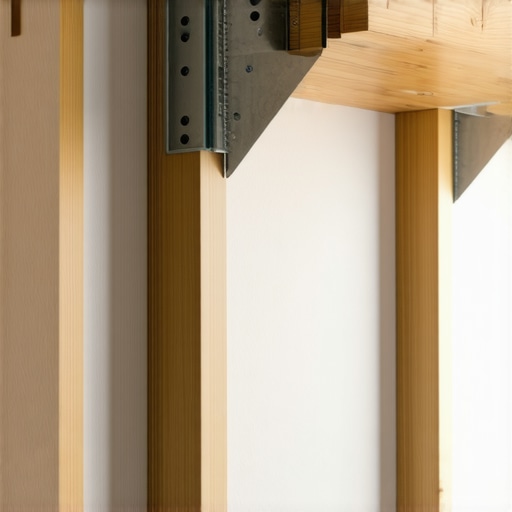
This is where the hidden sub-frame hack shined for me. Instead of relying solely on superficial anchors or brackets that battle gravity alone, the trick lies in a concealed steel or wooden frame that distributes the weight evenly across the wall’s studs and behind drywall. Think of it as building a secret backbone that quietly bears the load—out of sight but incredibly effective.
If you’ve ever tried installing built-ins without this extra support, you’ll probably agree: it’s a gamble. I made the mistake early on of overestimating the drywall’s ability to support weight, only to find shelves bowing and wall anchors tearing out. Trust me, I’ve learned the hard way—don’t let this be your story.
In this post, I’ll walk you through precisely how to implement this hidden sub-frame technique, ensuring your built-ins stand tall and proud for years to come. Ready to get your hands dirty and fix those sagging shelves once and for all? Let’s dive into the specifics that transformed my project—and can do the same for you.
Is This Hack Actually Worth the Hype
Before we get to the nuts and bolts, I want to address a common skepticism. Some folks question whether investing time and materials into a hidden sub-frame is really necessary or if it’s just an overkill. Early in my journey, I made the mistake of thinking a few extra brackets would suffice. Nope. The truth is, without a proper support structure, even the best materials will fail over time. This approach may seem more involved at first glance, but it’s a long-term investment—you’ll thank yourself when your built-ins stay perfectly level and sturdy, even under the heaviest loads. Curious about going beyond the basics? Check out our comprehensive guide on creative built-in storage solutions for more expert tips.
If you’ve faced issues with sagging or worried about the structural integrity of your installation, you’re not alone. Numerous homeowners have walked this path, only to discover that a small change—like incorporating an internal steel support—makes all the difference. Now, let’s explore how you can master this support system step by step, starting with my favorite tricks for anchoring heavy structures securely to your wall’s framework.
,
Ripping Down the Wall and Framing Up
Start by removing the existing drywall around the area where the built-in will sit. Cut back to expose the wall studs, then assess how the structure supports weight. I recall a time I carefully cut away the drywall from a sagging bookcase wall, revealing a precarious setup—just drywall screws into plaster, barely holding. That’s a recipe for disaster. Instead, install a sturdy horizontal ledger of 2x4s or steel reinforcement between the studs at the desired shelf height, creating a solid support plane.
Creating the Steel or Wooden Backbone
Measure the width of your built-in and cut a steel frame or a lumber support that fits snugly behind it. Secure the frame directly to the wall studs with heavy-duty steel brackets or lag bolts. Think of this as building a spine that will carry the load—like a backbone for your shelves, hidden behind the facade. When I did this, I used steel plates and lag bolts, which held much better than drywall anchors. This created a stable platform that redistributed the weight and prevented sagging.
Attaching the Built-In to the Support Structure
Once the sub-frame is set, secure your built-in cabinet to this internal support using long screws or bolts. Drill through the cabinet back into the steel or lumber frame behind. This tight coupling ensures the weight isn’t solely transferred to drywall, but shared across the entire sub-structure. For my project, I used 3-inch lag screws and sealed around the edges to prevent moisture ingress. Properly anchoring this way dramatically reduces the risk of wobbling or tilt over time.
Adding Reinforcement at Critical Stress Points
Identify spots where heavy objects might cause stress—like the middle of a long shelf—and reinforce with additional steel braces or vertical supports. During my install, I added L-brackets at midway points under the shelves, anchored into the steel frame. This approach maintains the flatness and prevents bowing, especially with heavy books or appliances. If your wall has uneven surfaces, consider scribing the frame to fit perfectly against irregular walls, as explained in scribing techniques.
Ensuring Proper Load Distribution and Stability
Finally, double-check your support’s alignment and secure all connections. Use a level to verify that your built-in is perfectly vertical and the shelves are even. In my experience, patience with measuring and securing each part thoroughly pays off—less wobble, more confidence. Remember, even a heavy stone vanity benefits from a steel-reinforced sub-frame, as described in this guide. This method not only stops sagging but extends the lifespan of your installation, saving you future headaches.
Many homeowners and even some professionals fall into common traps when designing and installing built-in furniture or storage solutions. One prevalent misconception is that attaching shelves and cabinets directly to drywall with simple brackets guarantees long-term stability. In reality, this approach often underestimates the nuanced stresses involved—especially with heavier loads—which can lead to sagging, tilting, or damaging the wall structure over time.
Another mistake is assuming that a one-size-fits-all design works for every space. Each wall, room, and application presents unique challenges, and neglecting to tailor reinforcement techniques accordingly can cause significant issues down the line. For instance, relying solely on drywall anchors without considering the underlying wall framing often results in insecure mounting that jeopardizes the entire installation. This is particularly critical when supporting heavy vanities or extensive built-in storage areas.
What Advanced Homeowners Should Know About Load Distribution
Understanding how to distribute weight effectively is crucial. Professionals recognize that hidden reinforcement—such as steel sub-frames or internal bracing—transfers loads from the surface to the wall studs, preventing sagging and structural failure. According to a study by the American Institute of Architects, proper load distribution significantly enhances stability and longevity of built-ins, reducing the risk of repairs or replacements sooner than expected. Let’s dig deeper into why these nuances matter and how they can save you time and money in the long run.
Thinking you can reinforce your shelves with just a few extra screws? Think again. The key lies in creating a robust support system that channels stresses into the wall’s framing. Failing to do so is an easy trap—especially when you see a quick fix that seems sufficient but doesn’t account for the weight or the wall’s actual structure. For example, a common pitfall is over-relying on drywall alone, which isn’t designed to bear significant loads. Incorporating steel brackets or a plywood backing—crafted with precision—ensures your built-ins withstand years of use without sagging or damage.
Ready to learn about the subtle techniques that separate an average installation from a professional-grade finish? Check out our comprehensive guide on built-in storage ideas. Mastering these advanced strategies helps you avoid common pitfalls and achieve results that truly last.
Have you ever fallen into this trap? Let me know in the comments!
Maintaining your custom built-ins and vanities requires more than just periodic cleaning; it involves using precise tools and adopting effective routines to ensure longevity and optimal performance. From selecting the right screws to employing specialized cleaning agents, every detail counts in preserving the beauty and function of your installations. In this section, I’ll share my personal favorite tools and methods, honed through years of hands-on experience, that help keep your furniture and storage solutions working flawlessly over time.
Invest in Quality Measuring and Alignment Tools
Accurate measurements are the backbone of durable, well-aligned built-ins. I always rely on a high-quality digital laser level, like the Bosch GLL3-80, which provides precise horizontal and vertical readings. This tool has saved me countless hours of adjusting and re-aligning. Additionally, a solid combination square allows for fine adjustments during installation, ensuring everything stays square and stable, reducing the risk of future warping or shifting. These tools are essential for any serious DIYer or professional aiming for professional-grade results.
Use Specialized Fasteners and Reinforcement Equipment
When it comes to fastening, I avoid cheap drywall anchors for heavy built-ins. Instead, I prefer heavy-duty steel brackets, like the ones featured in our recommended heavy-brackets, coupled with high-grade lag bolts. These materials effortlessly transfer loads directly into wall studs and give peace of mind that your installation will endure years of use. Pairing these with a power drill capable of handling large fasteners, such as the Makita XFD10Z, ensures quick, secure fastening every time.
Routine Cleaning and Preventative Maintenance
Keeping your built-ins pristine involves regular dusting with microfiber cloths and gentle cleaning agents suited for your material—be it wood or laminate. For wood, I recommend mineral oil treatments or specialized wood polish to prevent drying and cracking. For vanities with stone or marble surfaces, using a pH-balanced cleaner helps maintain shine without etching. Additionally, periodically inspect joints and fasteners; tightening loose screws or bolts prevents wobbling or structural issues long-term. This proactive approach can save you from costly repairs down the line.
Stay Ahead with Modern Software Tools for Design and Planning
Digital design tools like SketchUp or 3D Warehouse enable me to visualize changes before implementation, reducing errors and adjusting support structures as needed. These programs also help optimize storage placement, ensuring your built-ins are not only sturdy but maximized for space efficiency. As technology advances, integrating these tools into your routine becomes indispensable for maintaining a seamless blend of form and function in your home.
Predicting Future Trends in Maintenance and Tool Development
Looking ahead, I anticipate that smart home sensors will play a bigger role in maintenance. Devices capable of monitoring structural shifts or detecting moisture accumulation could alert homeowners to issues before they become visible. Tools like robotic vacuum cleaners with mapping capabilities are also making it easier to clean hard-to-reach spots in storage areas, prolonging their lifespan. Embracing these innovations now will ensure your built-ins remain functional and beautiful well into the future.
How do I keep built-ins working well over time?
The key lies in regular inspections, using high-quality tools, and staying updated on new maintenance techniques. I recommend checking fasteners periodically, cleaning surfaces with appropriate agents, and employing digital planning tools to foresee potential issues. If you’re hesitant about handling complex reinforcement, don’t hesitate to contact professionals through our consultation page. Remember, a little maintenance now can save you significant repair costs later. Try installing a digital laser level on your next project—it’s an investment that pays for itself in accuracy and peace of mind.
Lessons from My Support System Mishaps That Changed Everything
One of the toughest lessons I’ve learned is that speed often comes at the expense of stability. Rushing to finish a built-in without considering the internal support can lead to sagging shelves or even costly repairs. Investing in proper reinforcement upfront isn’t just about safety; it’s about preserving the aesthetic and functionality of your project. Also, I discovered that even seasoned DIYers underestimate the power of a well-planned steel or wooden hidden sub-frame. It’s not just a support—it’s the backbone that keeps your installation looking sharp for decades.
Another insight—neglecting wall irregularities can sabotage your efforts. Walls aren’t always plumb or even, so customizing your support to fit those imperfections can make or break the final look. Lastly, I realized that understanding load distribution isn’t just technical jargon; it’s the key to a frustration-free, durable built-in. By distributing weight across the wall studs and internal framing, you prevent those dreaded sagging moments that make you second-guess your skills.
Tools and Resources That Elevated My Support Game
To implement these support techniques effectively, I rely on a handful of trusted tools. A high-quality digital laser level from Bosch ensures my measurements stay precise, saving time and avoiding misalignments. Heavy-duty steel brackets, like those recommended on our site, provide peace of mind when securing heavy cabinets. For planning, I use SketchUp to visualize and tweak support positions before cutting any materials—saving me from costly mistakes. And, of course, for reinforcement materials, I trust brands that produce high-grade steel and lumber, ensuring longevity and safety in every project.
If you’re eager to learn more about executing professional-grade built-in supports, visit our effortless storage solutions guide or reach out through our contact page for personalized advice. Remember, the right tools combined with a passion for quality makes all the difference.
This is Your Moment to Reinvent Your Built-ins
Believe in your ability to transform your space with smarter, more durable support techniques. Each project is an opportunity to learn, grow, and create something truly lasting. Don’t shy away from tackling support systems head-on—embrace the challenge, and your efforts will result in built-ins that not only look beautiful but stand the test of time. If you’re ready to take the next step or need expert guidance, I encourage you to explore our vanity installation hacks or contact professionals who can elevate your vision. Your dream built-in isn’t just a wish; with the right support, it’s within reach.