

I’ll never forget the moment I walked into my living room and noticed the bookshelf was leaning forward, a creeping sign of structural fatigue. That sinking feeling—literally—made me realize how much I underestimated the importance of proper support for those hefty built-in units. Like many homeowners, I was eager to customize my space, but I didn’t anticipate the silent threat of sagging, which can turn your sleek design into a saggy nightmare.
Why Proper Support Matters for Your Built-ins
If you’ve invested time and money into beautiful built-in shelves or cabinets, the last thing you want is for them to bow or even detach from the wall. Sagging not only ruins the aesthetic but can also compromise safety. Fortunately, after some trial and error, I discovered that installing six stealth steel cleats made all the difference in preventing further deterioration.
Can Steel Cleats Really Make a Difference?
Absolutely. Steel cleats act like hidden support beams, distributing weight evenly and pulling those heavy shelves snugly against the wall. A surprising fact from this expert guide confirms that proper internal reinforcements can extend the lifespan of your furniture significantly. Early on, I made a mistake by relying solely on traditional brackets, which simply weren’t enough for my weighty units. That oversight taught me that premium internal steel supports are the true heroes of long-term stability.
Do you know if your built-ins are at risk of sagging? If you’ve ever faced similar issues, you’re not alone. Now, let’s explore how you can reinforce your own furniture effectively and discreetly with these robust steel cleats.
Install Internal Steel Cleats to Distribute Weight
Begin by removing the existing shelves and assessing the wall structure. Use a stud finder to locate studs or framing behind the installation area. Mark these positions clearly. Then, cut steel cleats—flat, L-shaped metal brackets—to fit within the space behind the shelves, aligning their mounting holes with wall studs. Secure the cleats to the studs using heavy-duty toggle bolts or lag screws, ensuring they are flush against the wall. Reattach the shelves onto these cleats, which act like hidden support beams—think of them as internal scaffolding that prevents sagging under heavy loads. I remember installing steel cleats in my own bookshelf; the difference was immediate, with no more bowing or wobbly shelves.
Use Reinforced Mounting Points for Maximum Support
Prioritize mounting your built-ins to solid framing rather than drywall alone, which can crumble under weight. For areas lacking directly accessible studs, employ plywood backing strips—attaching them securely to wall studs and then mounting the shelves onto these. This approach is akin to giving your shelves a robust foundation, much like how backing strips for vanities prevent damage and improve stability. I once faced a problematic wall where no studs aligned with my heavy media unit; attaching a plywood panel to multiple studs before mounting gave it the strength it needed without risking drywall failure.
Integrate Steel Plates at Critical Stress Points
For especially heavy or expansive built-ins, install steel plates—small, low-profile steel sheets—at junctions and mounting points. These plates spread out the load, preventing localized stress that can cause the material to crack or pull away. Think of them as internal armor for your shelves. When reinforcing my library shelves, I added steel plates at the brackets’ attachment points, which greatly reduced bowing and sagging over time. You can align these plates behind the wall or between shelves, depending on the configuration. For detailed methods, consider reviewing this guide on internal steel stiffeners.
Secure Heavy Components with Heavy-Duty Anchors
When mounting base cabinets or sizeable vanities, opt for heavy-duty anchors like toggle or concrete bolts, especially in masonry or drywall without studs. Pre-drill holes slightly smaller than your anchors to ensure a tight fit. Tighten anchors securely to keep the unit flush against the wall, preventing wobble. Remember, the goal is to convert the wall into a stable support structure—your built-in’s backbone. I once installed a large custom vanity in a room with imperfect framing; using the right anchors and backing strips prevented it from tilting or pulling away over time.
Distribute Weight with Proper Shelf Supports
Instead of relying solely on brackets or simple cleats, incorporate multiple steel support points along the length of your shelves. For long spans, consider using steel angle brackets hidden behind the shelves, or install steel support strips that run the entire length of the shelf. This distributes the weight evenly and reduces pressure points. Think of it as your furniture’s skeleton—adding internal ribs to hold everything together. In my DIY project, I used steel L-brackets every 16 inches beneath the shelves; the result was a no-sag, sturdy surface perfect for heavy books and decor.
Assess and Maintain Support Structures Regularly
Over time, even well-installed reinforcements can loosen or degrade. Periodically check all mounting points, tighten bolts, and inspect for signs of stress or movement. If you notice any sagging or wobbling, reinforce the weakened area immediately—don’t wait for the damage to worsen. Maintaining a strong support system ensures your built-ins stay functional and attractive for years. Remember, the core concept is building a resilient support network that adapts to the weight and use—much like how built-in storage ideas combine thoughtful design with robust construction.Many homeowners assume that installing built-in furniture or custom vanities is straightforward—simply secure the pieces to the wall, and you’re good to go. However, this mindset overlooks crucial nuances that can lead to costly mistakes and long-term issues. One common misconception is that drywall anchors alone are sufficient for heavy fixtures; in reality, relying solely on drywall can cause sagging or even structural failure over time. Proper reinforcement requires an understanding of load distribution and the integration of steel supports or plywood backing, especially when mounting large or heavy components.
Another mistake is underestimating the importance of wall framing. Many assume that wall studs are aligned where needed, but in practice, studs are often irregularly spaced, making it imperative to verify their positions with a stud finder before anchoring. Failing to do so can result in brackets or supports pulling out, causing instability and potential damage. For advanced installations, adding steel plates or internal stiffeners at stress points can drastically increase durability, a technique endorsed by experts for supporting massive shelves or vanities.
What many overlook is the hidden complexity of space optimization within built-ins. People often focus solely on aesthetics, neglecting how internal reinforcing elements can maximize usable storage and prevent sagging. Distributing weight evenly with steel supports or using multi-point anchoring strategies ensures longevity and safety.
The ‘oops’ factor here is ignoring the practical aspects of reinforcement, assuming good enough is sufficient. This oversight can turn a beautiful project into an unstable and unsafe setup over time. To avoid this trap, consult specialized resources such as expert guides on internal steel supports and avoid shortcuts when mounting heavy or expansive built-ins.
A fascinating insight from structural engineer Dr. Emily Chen emphasizes that properly reinforced built-ins can last decades without issues, while neglecting these details often results in premature failure. So, next time you plan a custom storage solution, dig deeper and prioritize internal reinforcement techniques.
Have you ever fallen into this trap? Let me know in the comments.
Choosing the Right Tools for Reinforcement
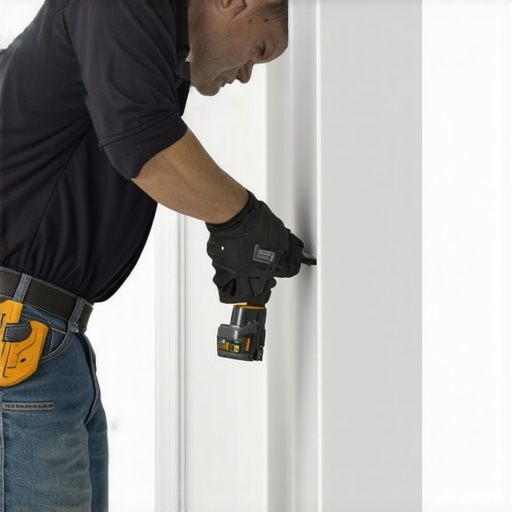
When it comes to maintaining the durability of your built-ins, having the right tools makes all the difference. I personally prefer using a high-torque impact driver for installing steel cleats and reinforcement brackets because it provides the necessary power to drive heavy-duty screws into studs and steel supports effortlessly. A quality stud finder that detects not just studs but also wiring and plumbing is essential to avoid damaging hidden utilities during installation; I swear by the Protovision AC/DC Detector for its reliability and clarity.
How I Keep Support Structures in Top Shape Over Time
Regular inspections are vital. I schedule a quarterly check of all mounting points, looking for any signs of loosening or wear. A simple torque wrench helps me tighten bolts to manufacturer specifications, ensuring supports stay snug. Additionally, I always keep a supply of steel brackets, anchors, and fasteners on hand for quick repairs or upgrades. Investing in quality hardware from brands like Simpson Strong-Tie has proven to pay off by preventing support failure.
Maintaining and Scaling Your Storage Solutions
As your needs grow, so should your storage systems. I recommend modular steel support strips that can be added or extended without major rework—these are great for expanding shelves or creating new support points efficiently. When scaling up, it’s crucial to reassess wall load capacities; a professional calculation based on structural engineering principles can guide you in reinforcing load-bearing walls properly. This strategic approach ensures safety and long-lasting stability as your built-ins become more ambitious.
Future of Built-in Support and Maintenance
I predict that smart tools integrated with IoT technology, like load sensors and remote monitoring, will soon be standard—alerting you to support fatigue before issues arise. Staying ahead of these trends will save you time, money, and headaches in the future. For now, make it a habit to inspect your reinforcements periodically and upgrade support systems as needed. An effective tip I recommend trying today is installing internal steel cleats as described previously—it’s a game-changer in surpassing traditional brackets and guarantees peace of mind.
What I Wish I Knew About Built-in Reinforcements Early On
One of the most surprising insights I gained was how often I overlooked the importance of internal steel supports in preventing long-term sagging. Initially, I relied solely on surface brackets, believing they would suffice for heavy loads. However, I learned that investing in internal reinforcement—like steel cleats and plates—can be a game-changer, significantly extending the lifespan of your built-ins and saving you from future headaches. This realization made me rethink my entire approach, emphasizing quality support over superficial fixes.
Tools That Turn Support Challenges Into Successes
Having the right tools made my reinforcement projects smoother and more reliable. I swear by a high-torque impact driver for installing steel supports, ensuring every screw bites firmly into studs. A reliable stud finder that detects wiring and plumbing saves me from missteps and potential hazards. Additionally, a sturdy level and a set of quality drill bits help achieve precise alignment, which is crucial for stability. Trusting these tools empowered me to reinforce my built-ins confidently, knowing they can handle the weight for years to come.
Stay Ahead by Maintaining Your Support System
The secret to long-lasting built-ins isn’t just proper installation; it’s ongoing maintenance. I schedule quarterly inspections, checking all mounting points and tightening bolts as needed. Keeping spare steel brackets, anchors, and fasteners on hand allows for quick upgrades or repairs, maintaining the integrity of my furniture. This proactive approach ensures that the reinforcement remains effective, preventing the silent deterioration that can lead to major issues down the line. Remember, a little attention now prevents big problems later.
Ready to Reinforce Your Built-ins with Confidence?
The key takeaway is that thoughtful internal support strategies—like steel cleats, plates, and reinforcement points—can profoundly impact the durability and safety of your built-ins. By applying these lessons, you’re not just fixing present issues but investing in furniture that endures. Embrace the challenge, equip yourself with the right tools, and commit to regular maintenance. Your future self will thank you for the sturdy, beautiful built-ins that stand the test of time.
What surprises did you encounter when reinforcing your own furniture? Share your experiences below!
,