

I remember the exact moment I realized my deep reach-in bedroom closet was a nightmare. Boxes stacked high, items buried so deep I needed a map to find my favorite sweater. Every attempt to organize felt futile—until I discovered the power of slim pull-out solutions. Suddenly, everything was within reach, and my closet became a sanctuary instead of a cluttered abyss.
If you’re frustrated with hard-to-access corners and cluttered shelves in your bedroom storage, you’re not alone. Many homeowners struggle with maximizing the usability of deep closets, especially when space feels tight and oversaturated. That’s where **7 Slim Pull-Out Fixes** come into play—simple upgrades that can make a world of difference.
By the end of this post, you’ll have a clear understanding of these effective solutions, tailored specifically for deep reach-in closets. Whether you’re considering a full renovation or just some smart upgrades, these fixes are designed to give you more visibility, easier access, and a more organized space—without sacrificing valuable square footage.
Why Accessibility Is the Key to Closet Satisfaction
Everyone’s been there—digging through stacks of clothes or household items, only to find that your most-needed things are buried at the back. Not only is this frustrating, but it can lead to clutter stacking and an overall sense of chaos.
Deep closets often present a unique challenge: their depth makes it difficult to reach everything comfortably. The common mistake I made early on was trying to make do with basic shelving, ignoring how much easier life could be with well-designed pull-out solutions. This oversight meant more time spent rummaging and less time enjoying my space.
Fortunately, solutions like slim pull-out shelves, hidden drawers, and customized sliding mechanisms can transform your storage. They increase accessibility, reduce stress, and even help you make better use of every inch. It’s worth noting that according to a recent study, disorganized closets can actually lead to increased stress levels—so fixing this is both a practical and mental health boost.
If you’ve faced the sinking feeling of reaching for something only to hit a wall of clutter, keep reading. I’ll share my top fixes that are surprisingly affordable yet highly effective, many of which can be installed with basic tools and patience.
Ready to say goodbye to wasted space and hello to easy access? Let’s dive into these tried-and-true solutions, so you can reclaim your closet and make it work for you, not against you.
Identify Your Storage Challenges
Start by evaluating which items are hardest to access and note the sections where clutter accumulates. For example, during my recent overhaul, I pulled everything out to see how much space was wasted behind my bulkier items, revealing clear spots for improvement.
Choose the Right Slim Pull-Out Systems
Pick narrow, high-quality pull-out shelves or drawers designed for deep spaces. Think of these as miniature conveyor belts that slide out smoothly, bringing your forgotten items into view. When I installed mine, I measured twice, considering the depth of my shelves to ensure full extension without obstruction.
Pro tip: Use 7 slim storage ideas to maximize every inch.
Measure Carefully
Use a tape measure to verify your closet’s depth and width, then add a few millimeters for clearance. I once misread my measurements and ordered a pull-out that was too wide—causing frustration and a redo. Take your time and jot down precise measurements.
Select Compatible Hardware
Opt for ball-bearing slides for smooth operation, especially under heavy loads. Think of these like high-performance train tracks—they guide the shelves effortlessly. When I upgraded, I chose heavy-duty slides rated for maximum weight, which prevented sagging over time.
Prepare Your Closet Frame
Remove existing shelves or dividers where the pull-outs will be installed. Clear the space, then reinforce the structure if necessary, using steel brackets or additional framing. I found that adding internal braces prevented sagging, keeping the pull-outs sturdy.
Install the Pull-Outs
Follow manufacturer instructions carefully. Usually, you mark mounting points, drill pilot holes, then attach the slides. It’s like assembling furniture with precise steps—measure, drill, align, then screw. During my project, I used a level to ensure perfect alignment, which was key to smooth operation.
Test and Fine-Tune
Pull each shelf out multiple times, checking for smoothness and clearance. Tighten loose screws and adjust the stops if needed. I made an error the first time by not securing the stops properly, which caused the shelves to slide out completely. After proper adjustments, they glided seamlessly every time.
Enhance Accessibility with Additional Fixes
Combine pull-outs with other solutions like internal organizers or hanging rails to further reduce retrieval time. For deep closets, internal dividers can separate seasonal items, making it easier to find what you need at a glance. I also installed a sliding mirror, which, when combined with pull-outs, created a multi-functional space.
By integrating these methods, you’ll not only improve accessibility but also boost your closet’s capacity and overall organization. Remember, meticulous planning and precise measurements are your best tools for success in this transformation.
While many think that simply following basic instructions guarantees a flawless installation of built-ins, vanities, or storage solutions, the reality is far more nuanced. The common misconception is that standard procedures suffice, but seasoned professionals understand that overlooking certain subtleties can lead to long-term issues. For instance, ignoring structural considerations like wall stud locations or floor unevenness can cause hardware failure or cosmetic imperfections over time.
One of the most underestimated aspects is the importance of proper material selection. Choosing inferior fasteners or incompatible hardware might save money initially but can result in sagging, detachment, or damage down the line. For example, using regular drywall anchors for heavy cabinets will likely fail; instead, specialized steel anchors or bolting into studs offer the necessary support.
A frequent mistake is neglecting to account for seasonal expansion and contraction. Wood and other materials move with humidity and temperature changes, which can loosen joints and cause warping if not properly addressed during installation. Incorporating adjustable brackets or leaving slight gaps can prevent these issues. According to industry experts, overlooking environmental factors is one of the top causes of built-in failures.
An advanced tip for experienced installers is to pre-assemble key components off-site to ensure fit and finish, then install as a complete unit. This approach minimizes on-site adjustments that can compromise structural integrity. Additionally, utilizing innovative reinforcement tactics, such as internal steel braces, can greatly enhance stability—especially for heavy or long-span features. For instance, internal steel stiffeners significantly reduce bowing and sagging in large shelves.
Another pitfall is the underestimation of electrical and plumbing considerations. Installing vanities or cabinetry over existing plumbing without proper planning can lead to costly retrofits. Carefully planning cutouts and access points beforehand ensures seamless integration and prevents damage.
Finally, don’t forget that the finishing touches—such as sealants, protective coatings, or finishing hardware—are critical to longevity and aesthetics. Improper application can cause surface deterioration or rusting, especially in humid environments.
Mastering these nuances elevates a standard installation into a lasting masterpiece. For more expert tips on securing heavy fixtures or avoiding common pitfalls, check out vanity installation hacks and built-in storage ideas that stand the test of time.
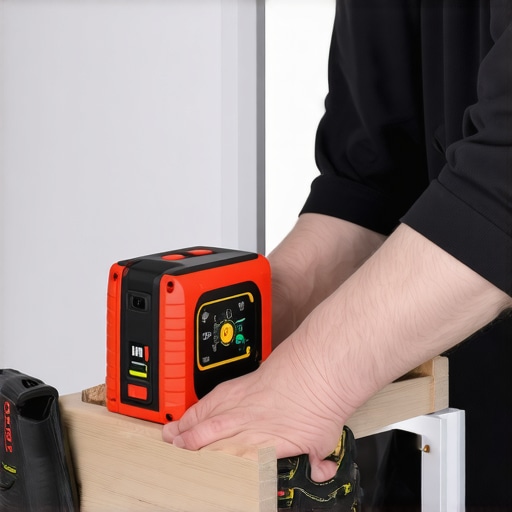
Have you ever fallen into this trap? Let me know in the comments.Maintaining your built-ins, vanities, and storage systems over time requires the right tools and a strategic approach. I rely heavily on high-quality, precision instruments that ensure stability and durability. For example, a digital level like the Bosch Digital Laser Level allows me to achieve perfect alignments when installing floating vanities or custom shelves. Its laser beam provides a clear, visible line across surfaces, making it easier to maintain levelness over large spans. Additionally, a reliable cordless drill with variable speed settings, such as the Makita XFD10R, has become indispensable for quick adjustments and securing hardware without over-tightening, which can damage delicate materials.
For tighter spots or intricate components, I prefer using a torque wrench. This tool helps prevent over-tightening of fasteners that could cause warping or cracking, especially important with delicate finishes or antique materials. When working on storage solutions, incorporating a good set of screwdriver bits and a magnetic bit holder keeps me efficient and reduces frustration.
Looking ahead, I believe the trend is shifting toward smart tools that integrate with digital devices, providing real-time feedback and quality assurance. For instance, laser measurement devices that sync with smartphones can save time and increase accuracy, reducing long-term issues like misalignment or uneven installation.
How do I maintain my storage systems over time? Regular inspections are key. Check for any loosened fasteners, signs of warping, or water damage—especially in bathrooms and kitchens where humidity can accelerate deterioration. Applying protective finishes, like clear sealants on wooden surfaces, adds an extra layer of defense against moisture and wear. For hardware, periodically lubricating sliding mechanisms with silicone spray ensures smooth operation, preventing sticks or jams that could lead to damage.
In more complex cases, such as fixing sagging built-in shelving, reinforcement using steel brackets or internal braces can restore stability. I often turn to specialized solutions like the internal steel stiffeners to prevent bowing and extend the lifespan of heavy shelves.
To simplify this maintenance routine, I recommend scheduling quarterly check-ups to spot issues early before they become costly repairs. Keep a dedicated toolkit ready—containing screwdrivers, a level, and sealants—so you’re prepared for quick fixes. By investing in quality tools and proactive checks, you’re not just installing storage; you’re ensuring it endures.
Try integrating a laser level like the Bosch Digital Laser Level into your next project. It significantly improves installation accuracy, reducing long-term misalignments that can cause uneven wear or damage. Maintaining your storage solutions with the right tools and regular attention will keep your home organized and functional for years to come.
What I Wish I Knew Before Starting
The biggest lesson I learned was the importance of measuring twice and choosing hardware that matches the weight and depth of your belongings. Rushing into installation without proper prep only leads to frustration and costly fixes. Additionally, I underestimated how much a simple pull-out system could revolutionize accessibility—it’s a small upgrade with a huge payoff.
Tools That Made All the Difference
My go-to toolkit includes a Bosch Digital Laser Level for precise alignments, a Makita cordless drill with variable speed for gentle adjustments, and steel brackets from reliable sources to reinforce heavy shelves. Trusting quality tools prevents mishaps and ensures that your storage solutions will last for years, especially when dealing with the complexities of deep closets. For inspiration, I often refer to expert tips on choosing the right tools.
Creating a Closet You’ll Love to Use
This experience taught me that organization is as much about mindset as it is about hardware. Start small—install one pull-out at a time—and celebrate each progress. Remember, your closet is a sanctuary for your belongings—and for your peace of mind. By thoughtfully incorporating these fixes, you’ll find that a deep reach-in closet can become your favorite space in the home. Ready to transform your storage? Check out smart storage ideas for small spaces and get inspired!