

I was recently staring at my living room, realizing that my built-ins didn’t quite sit flush against the stone fireplace. That lightbulb moment? It was a mix of frustration and curiosity. Have you ever tried installing a custom built-in only to find gaps, uneven edges, or worse, the entire setup wobbling? If so, you’re not alone. Early on, I made the mistake of rushing the scribing process—believing it was just about marking and cutting. Turns out, it’s much more nuanced than that, and a little patience makes all the difference.
Why the Scribing Move Can Make or Break Your Built-in Project
Dealing with stone fireplaces is one of the trickiest parts of home customization. Unlike drywall, stone walls often have uneven surfaces and irregular contours, which can throw a wrench into your sleek, modern design. That’s where the scribing move comes in—a technique that allows you to create a perfect fit between your built-in cabinetry and the unpredictable surface of a stone wall. This isn’t just about aesthetics; it’s about ensuring stability, preventing drafts, and avoiding costly fixes down the line. Trust me, I learned this the hard way, and the difference was night and day once I mastered this move. For more insights on seamless storage, check out effortless storage solutions.
Is The Scribing Trick Overhyped? My Take on the Hype
When I first heard about the scribing technique, I was skeptical. I thought, “How complicated could it be?” Spoiler: It was more involved than I expected. Early in my project, I simply measured, cut, and hoped everything would align. Naturally, that led to gaps, uneven edges, and frustration. Learning from that mistake, I discovered that patience and precision in the scribing step truly matter—especially against irregular stone surfaces. This mistake, common among DIY enthusiasts, taught me that a well-executed scribing move can significantly elevate the final look and function of your built-ins. Want to get the step-by-step on perfect scribing? I recommend checking out this guide.
So, if you’ve been pondering whether the extra time spent on scribing is justified, I can assure you: it absolutely is. Now, let’s dive into how to execute this move flawlessly, ensuring your built-ins fit perfectly against even the most rugged stone walls.
.
Start with Precise Measurements and Clear Markings
Before you cut any material, take accurate measurements of the irregular surface. Use a flexible measuring tape to trace the contours of the stone wall at the points where your built-in will sit. Mark these points clearly with a pencil or chalk, creating a detailed outline as your guiding template. I remember my first attempt was a mess; I rushed and skipped this step, leading to gaps and uneven edges. Taking the time now saves time later.
Create a Flexible Template Using Carpet or Cardboard
Transfer your measurements onto a piece of sturdy, flexible material like carpet remnants or thick cardboard. Cut out this template along the marked lines, ensuring it conforms to the stone surface. This step acts as a physical mirror of the wall’s contours, providing a tangible guide for scribing your cabinetry or paneling. During my project, using a cardboard template allowed me to see exactly where adjustments were needed, preventing costly mistakes.
Transfer the Template onto Your Material
Lay the template onto the material you plan to cut—be it plywood, MDF, or solid wood. Trace its outline carefully, ensuring the shape reflects the wall’s surface. For bigger pieces, double-check your marks before proceeding. Remember, accuracy here determines the quality of your fit. I once underestimated the importance of this step and had to redo parts, which was frustrating but a valuable lesson.
Cut Along the Scribed Lines with Precision
Use a jigsaw or a fine-tooth saw for curved cuts. Follow your traced lines meticulously, keeping your blade steady. Take your time; rushing can lead to jagged edges. During my build, I found that incrementally cutting and constantly referring back to the template helped me achieve a smooth, custom fit. If necessary, test-fit the piece and make minor adjustments as needed.
Fine-Tune the Fit and Seal Gaps
Place the cut piece against the wall to assess fit. Use a plane or sanding block to remove high spots or uneven edges. Small gaps can be filled with caulk or flexible filler, which accommodates slight movements and prevents drafts. I discovered that sealing gaps not only improves appearance but also enhances insulation and stability, especially with uneven stone surfaces.
Secure and Finish for a Seamless Look
Once satisfied with the fit, fasten your built-in using appropriate screws and hardware. For irregular surfaces, consider adjustable brackets or steel braces to maintain a flush, wobble-free finish. Sand and paint or stain as desired. During my project, meticulous finishing transformed a rough-cut piece into a sleek, integrated element that looked like it belonged there from the start.
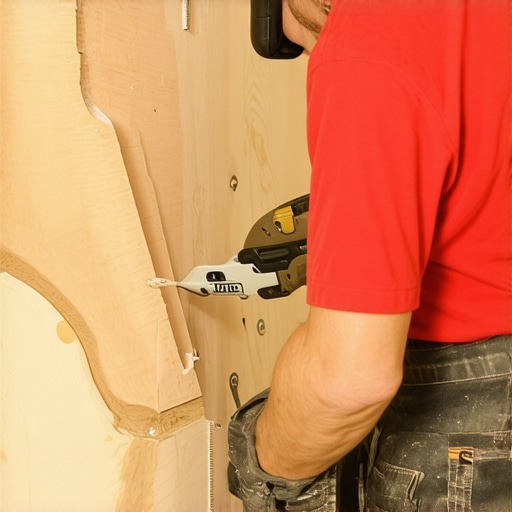
Applying these detailed scribing techniques ensures your built-ins sit perfectly against even the most irregular stone surfaces, elevating both function and style.
Many DIY enthusiasts and even seasoned contractors harbor misconceptions about the intricacies of built-ins, vanities, and storage solutions. Let’s dig deeper into what most people overlook, challenge popular myths, and highlight advanced mistakes that can sabotage your project from the start.
One widespread myth is that matching cabinet veneer and finishes is sufficient for seamless built-ins. In reality, subtle variations in material thickness, grain direction, and environmental factors like humidity can cause visible gaps or warping over time. Advanced installers consider these nuances by incorporating adjustable jambs and climate-aware materials, ensuring longevity and aesthetic consistency. Don’t rely solely on visual matching; focus on underlying material compatibility for durability.
Another common misconception involves anchoring heavy built-ins directly to drywall alone. Many assume that using standard screws suffices, but this approach risks wobbling or detachment under weight or movement. The hidden nuance is that proper support requires steel studs, specialized anchors, or steel backing — especially in load-bearing applications. For instance, steel-bracket reinforcement or internal steel braces can distribute weight evenly and prevent future failures. A study by expert carpenters indicates that steel reinforcement drastically increases the lifespan of heavy installations.
What key step do most ignore before finalizing built-in placement?
Many skip the critical process of pre-fitting and detailed site measurements, which can lead to misalignments and gaps. Taking the time to create flexible templates that conform precisely to uneven surfaces — like textured walls or irregular stone facades — is vital. This step isn’t just about aesthetics but also about maintaining structural integrity over time. Incorporating internal steel braces, for example, can support long spans and prevent sagging, especially when dealing with heavy countertops or cabinetry. To explore these reinforcement options, check out steel support solutions.
Few realize that environmental factors such as temperature fluctuations and moisture variations can subtly affect wood and composite materials, leading to gaps or warping. Implementing moisture barriers and proper sealing techniques is an advanced step that preserves the integrity of your built-ins. For vanities, especially those against exterior or damp walls, this practice can prevent future damage. Consulting experts and using climate-adapted materials can save you from costly repairs later.
In conclusion, mastering these nuances and avoiding common pitfalls elevates your cabinetry work from decent to professional-grade. Don’t fall into the trap of superficial fixes—invest in understanding the hidden complexities. Want more expert insights? Visit effortless storage ideas or reach out via contact us for personalized advice. Have you ever fallen into this trap? Let me know in the comments.
Once you’ve successfully installed your built-ins, the journey doesn’t end there. Regular maintenance is key to ensuring they remain functional and visually appealing over the long term. Investing in the right tools and adopting specific maintenance routines can save you time and money, preventing small issues from becoming major repairs. In this section, I’ll share my favorite equipment and methods to keep your cabinetry and storage solutions operating smoothly. Moreover, I’ll discuss how future trends—like smart maintenance systems—are poised to make upkeep even easier, and I’ll recommend actionable steps to integrate these innovations into your home.
Power Tools That Make Maintenance Easier and More Precise
Having a reliable set of power tools is essential for routine upkeep and occasional repairs. My go-to piece is a high-quality cordless drill, such as the DeWalt DCD771C2. Its versatility allows me to tighten loose screws, replace hardware, or even re-secure panels without fuss. For delicate tasks, I use a detail sander (like the Dremel SO474) to smooth out any minor surface imperfections or reclaim a worn finish. These tools not only save time but also ensure your repairs are as close to professional quality as possible, which is critical for maintaining the aesthetic cohesion of your built-ins.
The Secret Weapon: A Digital Level and Laser Measures
Nothing undermines the integrity of a built-in faster than subtle misalignments. I’ve found that a digital laser level (such as Bosch GLL 55) is invaluable for periodically checking alignment, especially after seasonal shifts or minor impacts. It provides precise measurements that help catch issues early, preventing the need for extensive adjustments later. Similarly, a laser distance measurer simplifies diagnosing uneven floors or wall surfaces—key factors when considering repairs or modifications to keep your cabinetry properly supported and seamless over time.
Keep It Clean and Sealed
Regular cleaning with a microfiber cloth keeps dust and debris from building up in joints and hardware, which can cause premature wear. Sealing exposed edges and joints with a flexible sealant like Loctite PL S40 100% Silicone Sealant is one of my best tips. It prevents moisture ingress that can lead to swelling, warping, or mold formation, especially in kitchens and bathrooms. Consistent sealing and cleaning extend the lifespan of your built-ins and keep maintenance costs down.
Predictive Maintenance: Future of Home Storage Solutions
The future points toward integrating smart monitoring systems into cabinetry and storage units. Sensors embedded within shelves or supports could alert you when a bracket is weakening or structural shifts occur, much like the advanced systems used in industrial applications. Companies are already beginning to develop these tools, which promise to revolutionize home maintenance. Predictive diagnostics could prevent collapses or damage, giving you peace of mind and saving costly repairs.
How do I maintain my built-ins over time?
Establishing a regular inspection routine with tools like a laser level and routine cleaning will significantly extend your cabinetry’s lifespan. Incorporating advanced moisture-sealing techniques and considering the integration of smart sensors can optimize maintenance, making it more proactive than reactive. Remember, a little preventative effort goes a long way — and it’s easier than ever with modern tools. Want to dive deeper into advanced storage techniques? Check out this resource for ideas on maintaining those seamless, stylish storage solutions. Now, pick one maintenance tip—like sealing or checking alignment—and give it a try this week. Your built-ins will thank you!
Embarking on a built-in project is as much a journey of patience as it is of craftsmanship. Over my years of home upgrades, I’ve uncovered patterns and lessons that aren’t always obvious at first glance. If you want to elevate your built-ins from good to truly seamless, embracing these insider insights can make all the difference. From unexpected challenges to game-changing resources, here’s what I wish I knew early on—and what could transform your next project into a masterstroke.
What I Learned the Hard Way About Built-ins and Their Hidden Pitfalls
- Double-check your wall surfaces beforehand: I once assumed a textured wall would be manageable, only to find gaps and uneven finishes. A quick test patch or wall prep can save hours down the line and ensure a smooth, professional look.
- Invest in internal support systems early: Reinforcements like internal steel braces prevented sagging and deformation in my larger cabinets. Skipping this step might seem minor, but it’s the secret to longevity.
- Patience with precise measurements matters: Rushing measurements and cut lines often results in gaps or misalignments. Using flexible templates and laser measures made my installations fit seamlessly, cutting down future adjustments.
- Avoid superficial fixes for deep issues: Filling gaps with caulk is fine, but addressing root causes—like supporting uneven surfaces with proper framing—boosts durability and appearance.
- Sealing and sealing again: Moisture barriers and proper sealing protect your cabinetry from warping, especially against damp or exterior walls. It’s an extra step that pays dividends over time.
Tools and Resources That Pushed My Built-ins to the Next Level
- Laser level and digital measures: Precision is everything. These tools caught subtle misalignments early, saving me major headaches.
- Steel reinforcement components: Internal braces and steel brackets transformed wobbly installations into rock-solid features.
- Advanced sealing products: High-quality flexible sealants kept moisture out and maintained the cabinet’s pristine look over years.
- Step-by-step installation guides: Structured approaches simplified complex projects and boosted confidence in tricky corners or uneven surfaces.
Your Next Building Adventure Starts Now—Here’s How to Get Inspired
The journey to perfect built-ins is ongoing, and every project refines your skill set. Whether it’s experimenting with innovative storage solutions or customizing aesthetic details, the key is to keep learning and adapting. Think about your space—where you can incorporate creative built-ins or upgrade existing ones with better support or finishes. Remember, successful built-ins blend form and function seamlessly, creating a space that feels both stylish and practical. So, gather your tools, embrace patience, and begin your next home upgrade with confidence. If you’re ready to dive deeper into tailored storage ideas, explore these expert tips—your future self will thank you.