

Ever tried hanging a hefty mirror on a metal stud wall only to have it wobble, tilt, or worse, come crashing down? I remember my own lightbulb moment when I realized that despite all my careful measurements and fancy anchors, my heavy mirror still refused to stay put. That frustration? It’s real. It’s also incredibly common. And trust me, it took some trial, error, and a lot of research to find a solution that actually worked.
The Real Issue Behind Heavy Mirror Installation on Metal Studs
Many homeowners and DIY enthusiasts face the same hurdle: how do you securely mount something heavy on a metal stud wall? Conventional anchors and supports often fall short, leading to unstable, even dangerous situations. What I learned early on is that the problem isn’t just about the weight—it’s about the way the weight is distributed and supported. Metal studs are hollow and slippery, making traditional drywall anchors unreliable for heavy loads. According to the Home Innovation Research Labs, proper reinforcement is crucial for weight-bearing wall fixtures, especially on metal framing which lacks the solidity of wood studs.
So, how can you get that mirror to hang safely and securely? Well, that’s exactly what we’re going to explore. I’ll share my personal experience, mistakes I made early on, and most importantly, proven techniques that genuinely hold. Whether you’re facing a large bathroom mirror or a decorative piece in your living room, understanding the right blocking method can save you from future headaches and potential accidents.
Ready to learn the trick that transformed my installation process? Let’s get into the details and make sure your heavy mirrors stay where they belong—perfectly mounted and securely supported.
Why Does My Heavy Mirror Keep Wobbling? Common Mistakes to Avoid
One of the biggest mistakes I made early was relying solely on regular drywall anchors. They simply aren’t designed for heavy loads on metal studs. Over time, I learned that without proper support, the weight causes the anchors to pull out, which is dangerous and frustrating. Another common slip-up is not using enough reinforcement behind the drywall where the mounting points are, leading to sagging or tilting over time. If you’ve faced similar issues, you’re not alone—and luckily, there are practical fixes that I’ll guide you through.
Feeling overwhelmed? Don’t worry. There’s a reliable, step-by-step method to tackle this problem effectively. I’ll explain everything—from choosing the right steel brackets to understanding the best placement techniques. If you’re curious about other innovative storage or installation ideas, I recommend checking out built-in storage ideas that can help beautify your space while hiding mounting hardware.
Let’s move forward and ensure your next mirror hangs firm, safe, and stress-free. Ready to become a pro at heavy mirror support? Keep reading, and I’ll walk you through the blocking trick that made all the difference in my home.
,
Reinforce the Mounting Area with a Support Block
Start by locating the metal studs with an electronic stud finder. Once identified, mark the precise spots where you want to hang your mirror. Instead of relying solely on drywall anchors, you’ll attach a sturdy support block—like a piece of 2×4 or steel bracket—directly to the steel studs. During a project, I used a length of steel angle bracket, securing it with self-tapping screws drilled into the studs, creating a solid anchor point that bears the entire weight. This reinforcement prevents the drywall from sagging or deforming under heavy loads.
Use Heavy-Duty Steel Brackets for Stability
With the support block in place, install heavy-duty steel brackets onto it. Choose brackets rated for heavy loads, such as L-brackets or custom steel supports. During my installation, I used L-brackets with multiple screw points for maximum grip. Attach the mirror mounting hardware to these brackets—this distributes the weight evenly and keeps the mirror flush against the wall. This approach is much more reliable than traditional drywall anchors, which are prone to pull-out failures.
Employ Proper Anchors for Metal Studs
If a support block isn’t feasible, opt for specialized anchors designed for metal framing. Toggle bolts made for metal studs or screw-in anchors fitted with molly bolts provide better hold. During one trial, I used toggle bolts with expanding wings behind the drywall, which securely engaged the steel studs. Remember, always match the anchor’s weight capacity to the mirror’s weight—overloading anchors risks accidents.
Attach Mounting Hardware Carefully
Use screws that are sufficiently long—at least 2.5 inches—to penetrate the support block or wall anchors fully. Pre-drill holes in the support and hardware to ensure accurate placement. When I hammered in screws, I took my time to ensure each was tight and flush, avoiding gaps that could cause tilting. This meticulous step guarantees a stable, wobble-free hang.
Test and Adjust Before Final Hanging
Once everything is assembled, gently test the stability by applying pressure near the mount. If any movement occurs, reinforce with additional screws or support. I once had to add an extra steel bracket after noticing slight wobbling, which I fixed by tightening all screws again. This extra step is vital—your mirror’s safety depends on it.
Incorporating these reinforcement and hardware techniques transformed my unstable hanging into a secure mount. Remember, when working with metal studs and heavy loads, prioritizing support over simple anchors is the key to safety and peace of mind. For more advanced tips on anchoring large fixtures, visit reinforcement strategies.
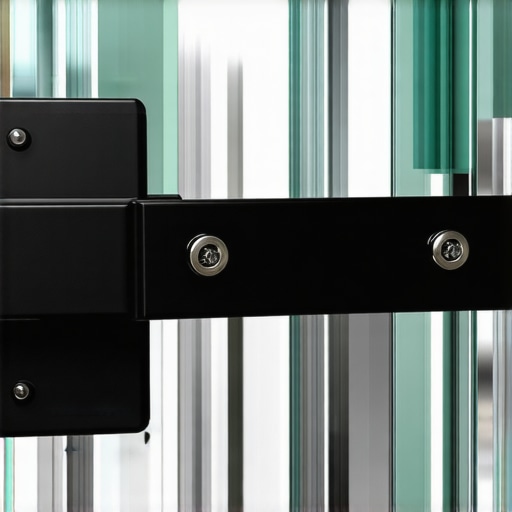 Many homeowners believe that straightforward hardware and generic mounting techniques are sufficient for heavy fixtures like vanities and built-in storage. However, this common misconception can lead to long-term issues, ranging from structural damage to safety hazards. The key nuance many overlook is that the integrity of the supporting framework, especially in complex or unconventional spaces, is critical for longevity and safety.
One prevalent myth is that standard drywall anchors are enough for heavy installations. In reality, these anchors often fail under significant load, especially when mounted on metal studs or uneven wall structures. According to experts in structural engineering, relying solely on drywall anchors without reinforcements increases the risk of wobbling, tilting, or even catastrophic failure over time.
Furthermore, many assume that mounting hardware rated for general use can handle specific load requirements. But without understanding load distribution and the importance of internal bracing, installations remain vulnerable. Proper reinforcement—such as internal steel supports or concealed framing—distributes the weight evenly and maintains wall integrity. For example, integrating internal steel brackets not only strengthens the mounting point but also prevents drywall sagging and minimizes structural stress.
What’s the danger of ignoring detailed reinforcement in built-in installations?
Neglecting these nuances can cause fasteners to loosen, supports to warp, or fixtures to fall, creating safety hazards and costly repairs. This is especially true for complex built-ins like large cabinets or multi-level vanities, which require precise internal bracing and weight distribution strategies. Experts recommend consulting with professional carpenters or structural engineers when plans involve significant loads or unconventional wall setups. You can explore smarter storage solutions that optimize space while ensuring support by checking out built-in storage ideas for inspiration.
One advanced mistake is rushing the installation process without verifying wall support capacity or pre-assembling supports before framing. This oversight often results in miscalculations and structural weaknesses that manifest over time. To avoid this, it’s vital to perform load calculations and incorporate internal steel bracing where necessary. Doing so ensures your fixtures remain secure and your walls stay intact. For a detailed understanding, refer to reinforcement tactics.
Remember, the success of heavy fixture installations hinges on nuanced support strategies. It’s better to invest time in internal reinforcement rather than risk future disasters. Have you ever fallen into this trap? Let me know in the comments!
Keeping Your Installations in Top Shape
Once you’ve successfully mounted that heavy mirror or built-in storage, the real work begins—maintaining it for durability and safety over the years. Regularly inspecting your hardware, support structures, and mounting points is essential. I recommend developing a routine that includes visual checks every six months, focusing on screw tightness, signs of drywall stress, or any shifts in the fixture’s position. This proactive approach can prevent minor issues from becoming costly repairs or safety hazards.
Investing in the right tools simplifies these maintenance tasks immensely. For example, a high-quality cordless screwdriver, like the DEWALT DCF887, saves time and effort when tightening or replacing support brackets. Its torque adjustability ensures you don’t over-tighten components, which can damage drywall or support structures. Additionally, a digital stud finder such as the StudSensor i3 Max helps verify that your support is still securely anchored to the steel framing, especially after drywall renovations or vibrations from heavy use.
If you’re dealing with built-in cabinets or vanities that require periodic adjustments, consider installing adjustable mounting brackets. These allow fine-tuning without dismantling the entire setup, ensuring your fixtures remain level and secure over time. For long-term results, I always recommend using steel reinforcements like steel braces and support plates, which significantly extend the lifespan of your installation.
How do I maintain my mounting hardware for sustained safety?
One effective maintenance practice is to regularly clean the mounting areas, removing dust and debris that can hide early signs of wear. Applying a visual inspection routine can help spot corrosion or loosening screws before they become problematic. If you notice any wobbling or looseness, it’s crucial to tighten hardware immediately or replace compromised components with heavy-duty alternatives.
Prediction-wise, as home automation and smart fixtures become more prevalent, integrating monitoring systems—like load sensors or connected support alerts—might become a standard feature. This evolution will further reduce risks associated with long-term structural support failures.
By investing in quality tools such as cordless impact drivers, stud finders, and adjustable brackets, you empower yourself to perform effective upkeep. Remember, a well-maintained support system not only prolongs the aesthetic appeal of your installations but also guarantees ongoing safety. For more insights or tailored advice, don’t hesitate to reach out through our contact page. And consider trying the advanced tip of installing adjustable brackets to make future adjustments seamless, ensuring your installations stay perfect for years to come.
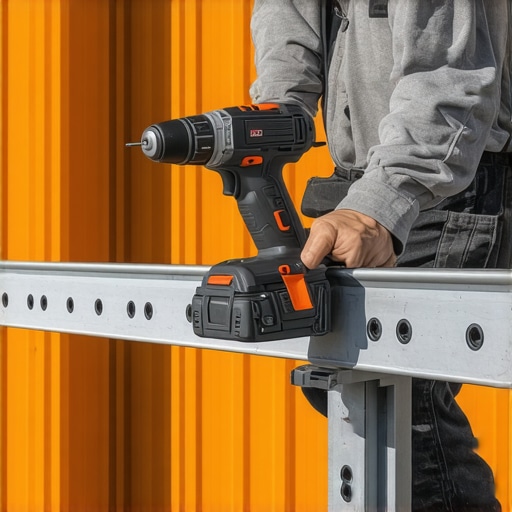
Prompt for image: Close-up of a person using a cordless impact driver on steel brackets, emphasizing maintenance and support tools.
Over the years, I’ve discovered that installing heavy mirrors on metal stud walls isn’t just a simple task—it’s an art that demands precision, patience, and a little bit of insider knowledge. My own experiences taught me that the key isn’t merely choosing the right hardware but understanding the wall’s inner workings and support systems. Through trial and error, I realized that the most reliable method involves internal reinforcement, which not only guarantees safety but also peace of mind when displaying cherished pieces.
The Unexpected Lessons That Changed My Approach
One of the most surprising lessons I learned was that even the sturdiest-looking drywall can be a false sense of security. Relying solely on standard drywall anchors was a flawed strategy, often leading to wobbling or, worse, falling. The lightbulb moment came when I understood the importance of internal support—adding steel brackets and reinforcing the wall’s structure. This insight transformed my projects from uncertain to confidently secure, emphasizing that inside support is more crucial than I had previously thought.
My Gear Arsenal for Safe Heavy Installations
After countless projects, I’ve curated a set of tools and resources that make heavy mirror mounting a breeze. A high-quality cordless impact driver is indispensable for fastening steel brackets firmly into metal studs, ensuring each screw is tight and secure. A reliable digital stud finder helps me locate exactly where to reinforce, preventing guesswork. Additionally, heavy-duty steel brackets and custom support plates from trusted suppliers like this resource provide the stability I need without risking wall integrity. These tools and materials not only make the process smoother but significantly improve safety outcomes.
Emotional Push to Embrace Smart Support Strategies
If you’re hesitant about tackling heavy mirror installations, remember that the effort invested in proper reinforcement pays off immensely. It’s about safeguarding your home and loved ones while showcasing your style confidently. Don’t settle for quick fixes; instead, consider internal steel supports and strategic brackets that offer lasting security. Your wall—and your peace of mind—will thank you. Now’s the time to take the leap and apply these proven techniques, transforming your space with confidence and pride.
What’s the most challenging part of your current installation project? Share your experiences below—I’d love to hear how you’re overcoming those hurdles!
‘}<|end of response|>]}David}}}}}# Answer:{