

One afternoon, I watched in disbelief as my bulky wardrobe slowly crept away from the wall, threatening to tip over and cause a domino effect of chaos in my bedroom. That frustrating lightbulb moment made me realize just how tricky heavy furniture can be on older, delicate walls like lath and plaster. If you’ve ever wrestled with mounting a substantial wardrobe or storage unit, you know the sinking feeling of doubt creeping in—”Is this really secure?”
Why Securing Heavy Wardrobes on Lath and Plaster Walls Really Matters
Fragile walls like lath and plaster are deceptively tricky. They aren’t your standard drywall—these surfaces are made of wooden laths covered with plaster, which can be easily damaged if not supported properly. According to industry experts, improperly anchored heavy furniture can lead to wall damage or even collapse—something nobody wants happening in their home. Properly anchoring these huge pieces isn’t just a safety concern; it preserves your investment and keeps your space looking tidy and safe.
Is Overhyped Anchoring Worth It for Heavy Furniture?
Truth be told, I used to think quick, cheap fixes would suffice. I made a major mistake early on—trying to mount my wardrobe using plastic wall anchors meant for lightweight items. The result? A wardrobe that wobbled and eventually tore loose, leaving my wall scarred and my nerves frayed. That experience taught me that cutting corners on weight-support solutions can lead to costly repairs and safety hazards. For a reliable fix, using the right anchors and support methods is crucial. Want to learn how I finally managed to secure my furniture properly? Keep reading, and you’ll find the step-by-step approach that saved my walls and peace of mind. If this sounds familiar, you’re not alone. Many homeowners struggle with similar issues, but the good news is—there are proven methods to get this right, and I’ll guide you through them. Plus, if you’re interested in transforming your storage options, I recommend checking out creative built-ins for seamless storage to maximize your space while ensuring stability.
Now, let’s dive into the practical steps to keep your heavy wardrobes firmly anchored and your walls intact.
Choose the Right Anchors for Heavy Weight
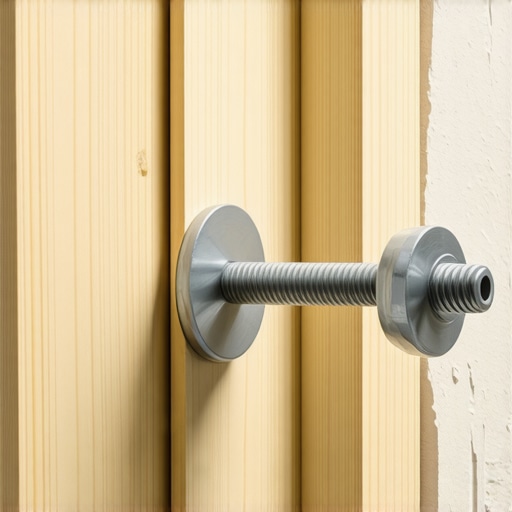
Start by selecting proper anchors designed for lath and plaster. Toggle bolts or molly bolts are your best bet—they distribute weight across a wider area, reducing stress on the wall. I once used cheap plastic anchors for a tall bookshelf, leading to a wobbly installation that tore loose after a few months. Instead, I replaced them with toggle bolts, which held the weight securely without damaging the wall.
Assess Wall Structure and Finding Support Spots
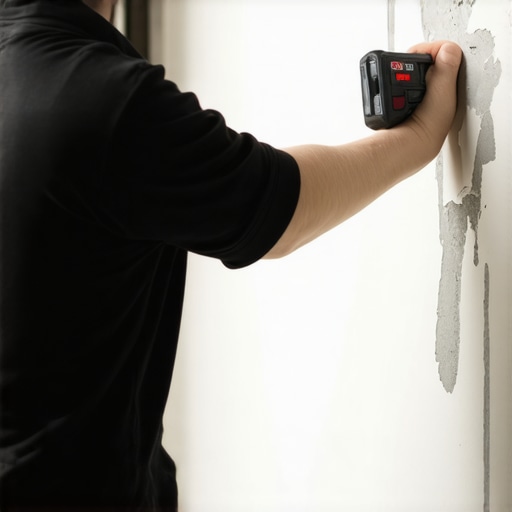
Identify the wall studs using a reliable stud finder. Since lath and plaster walls have wooden laths spaced irregularly, fasten directly into these support beams for maximum stability. When I planned my wardrobe mounting, I marked every stud I found, then aligned the mounting brackets with these, ensuring a solid anchor point.
Use Support Brackets Designed for Heavy Furniture
Opt for heavy-duty L-brackets or specialized mounting plates that spread the weight over a larger wall area. Think of it as distributing a heavy object’s load across multiple points—like a spread-out set of footprints versus a single point. I attached a set of steel brackets to my wardrobe, anchoring into studs with proper lag bolts, which prevented any wobbling or wall stress.
Implement Reinforcement Strategies
If you’re mounting particularly heavy or large units, consider additional reinforcement. Installing a plywood backing behind the mounting area creates a sturdy surface to anchor into, much like reinforcing a weak bridge with extra support beams. I screwed a thick piece of plywood into the wall studs before attaching the wardrobe, which drastically improved the fix’s durability.
Properly Distribute the Weight on Your Wall
Incorporate leveling and weight distribution techniques to prevent stress points. Use multiple anchors along the furniture’s top and sides, ensuring the load is not concentrated in one area. When I fixed my wardrobe, I used several anchors along its width, avoiding any point where the wall might resist or crack. For additional support, installing a steel tie strap across the top helps hold everything firmly in place.
Secure and Test Stability Rigorously
After installation, gently test the stability by applying pressure from different angles. Ensure there’s no give or movement. I once overlooked this step, and the wardrobe shifted slightly over time, leading me to re-tighten all fittings. Regularly check the anchors periodically—walls age, and so should your mounts.
Remember, patience and precision go hand in hand when anchoring heavy furniture to delicate walls. Choosing quality components, careful assessment, and proper distribution can make the difference between a safe, sturdy setup and a costly mistake. For more complex installations, consulting detailed guides or professionals may be worthwhile. If you’re considering built-ins, explore creative built-ins for seamless storage to combine aesthetics with strength effectively.
Many homeowners operate under misconceptions about installing built-ins, vanities, or storage solutions—believing that simple measures suffice or that one-size-fits-all approaches work universally. However, these assumptions can lead to costly errors and subpar results. As an expert in custom home integrations, I’ve observed that most people overlook the critical nuances that determine long-term stability and aesthetic harmony.
One prevalent myth is that standard drywall anchors are adequate for mounting heavy fixtures or cabinetry. In truth, especially on delicate walls like lath and plaster, relying solely on plastic anchors can be a disaster waiting to happen. They often fail under weight, causing damages or even wall collapses. Instead, employing specialized anchors such as toggle bolts or molly bolts, which distribute weight more effectively, makes a significant difference. For detailed guidance on choosing proper anchors, visit supporting heavy mirrors on lath and plaster.
Why do many installation attempts falter unexpectedly?
A common oversight is neglecting precise wall structure assessment. Homeowners often assume all walls are equally supportive, but in reality, identifying supporting studs is vital for large installations. Interestingly, even when studs are present, their positioning might be irregular, especially in older homes. Using a reliable stud finder and corroborating with magnet tests ensures you mount directly into load-bearing structures, preventing wobbles or failures.
Another sophisticated mistake involves ignoring the importance of weight distribution. It’s tempting to anchor a heavy vanity or built-in unit at one point, but this can create pressure points that weaken the wall over time. Distributing the load with multiple anchors and support brackets alters the stress dynamics, helping maintain structural integrity. For advanced reinforcement, installing a plywood backing or internal steel braces can exponentially increase support durability. For example, see hidden support strategies for display cases.
Furthermore, emerging research suggests that improper installation can also lead to aesthetic issues like warping or misalignment over time. As per a 2021 study by the Building Research Institute, precision and reinforcement strategies drastically reduce these risks, especially in high-humidity environments. This underscores the importance of not just fixing to walls but integrating proper support systems into the design phase.
Finally, skipping professional consultation or detailed planning often results in irreversible mistakes. For complex built-in designs, investing time in expert guidance or comprehensive tutorials (vanity installation guides) pays off in longevity and safety.
Have you ever fallen into this trap? Let me know in the comments. Remember, understanding these nuances ensures your installation is not only visually stunning but also structurally sound for years to come. For further inspiration and advanced solutions, explore creative built-ins for seamless storage. Your home’s foundation deserves the best expertise and attention to detail—don’t settle for less!
Maintaining your custom storage solutions and built-in installations is crucial for long-term durability and aesthetic appeal. Having the right tools and a disciplined routine ensures your investments continue to serve you well years down the line. One key piece of equipment I rely on is a digital stud finder with deep scanning capabilities, such as the Bosch GMS120. Its ability to distinguish between different materials helps me accurately locate support structures behind lath and plaster walls, preventing wall damage and ensuring secure mounting.
In addition, I always keep a quality cordless drill with variable torque settings. This allows me to insert fasteners precisely without overtightening, which is especially important when working on older walls that can easily crack or crumble. A set of high-quality, long-lasting screwdrivers and a magnetic tip screwdriver are also essential for making adjustments and tightening support brackets efficiently.
Long-Term Upkeep Through Regular Checks
To keep your installations performing optimally, I recommend establishing a maintenance schedule—at least biannually—to inspect anchors, brackets, and support points. A simple visual check can reveal signs of stress or wear. For instance, if you notice any looseness or wall cracks near your mounted furniture, it’s time to tighten or reinforce those points. This proactive approach prevents minor issues from escalating into costly repairs, such as damaged drywall or compromised wall supports.
Software tools like AutoCAD or SketchUp can be invaluable during planning and reconfiguration phases. I use SketchUp to model potential modifications to my built-ins before making any physical changes. This minimizes surprises and helps me visualize how new elements will integrate with existing structures, especially when scaling or customizing storage solutions for evolving needs.
Prediction: Where the Future of Maintenance Is Heading
As smart home technology advances, I foresee a trend toward integrating sensors that monitor the load and stability of mounted furniture. Imagine receiving an alert if a support point weakens or a bracket becomes loose—adding a layer of automation that extends the lifespan of your custom installations. Companies are already developing smart anchors equipped with Bluetooth or Wi-Fi connectivity, enabling remote diagnostics and maintenance reminders, which will make upkeep more efficient and less guesswork.
How do I keep my built-ins performing over time? The secret lies in a combination of the right tools and a regular review routine.
For example, using a heavy-duty wall anchor combined with periodic inspections will prolong the life of your heavy cabinetry. Don’t forget, maintenance isn’t just about fixing problems—it’s about preventing them. Invest in a few specialized tools, like a digital stud finder and a versatile drill, and set a recurring schedule to check your installations. This disciplined approach can save you significant time and expense in the future.
And if you’re planning to scale your storage or add new built-ins, consider consulting professionals or exploring advanced reinforcement methods such as steel brackets or internal braces. For innovative ideas on designing seamless storage, visit creative built-ins for seamless storage. Taking these extra steps today ensures your home remains safe, attractive, and functional for years to come.
What I Wish I Knew About Heavy Furniture Installation
- Overconfidence Can Be Costly: Jumping into mounting bulky pieces without proper assessment led to wall damages and headaches. I learned that patience and precise planning are essential for longevity and safety.
- Skip the Cheap Fixes: Relying on plastic anchors seemed convenient but caused wobbling and eventual failure. Investing in quality toggle or molly bolts made a world of difference, saving time and repairs.
- Know Your Wall Better Than Your Furniture: Identifying supporting studs behind lath and plaster can be tricky, but using a reliable stud finder ensures your heavy items are anchored securely into load-bearing supports, preventing hazards.
- Distribute the Load Thoughtfully: Using multiple anchors and reinforcement strategies like plywood backing distributes weight evenly, preserving your walls and ensuring stability over years.
- Test Before Declaring Victory: Gently applying force post-installation helps identify wobbles early, allowing adjustments before damage occurs—an often overlooked but vital step.
Tools and Resources That Changed My Approach
- Heavy-duty toggle bolts: Essential for distributing weight without wall damage, I trust them for all my heavy mounting needs.
- Reliable stud finders: A game-changer—accurate detection means safer, longer-lasting installations.
- Reinforcement techniques: Incorporating plywood backing or steel brackets has saved me from repeated visits to the wall repair shop.
- Expert tutorials and guides: Learning from seasoned professionals shaped my understanding and approach, making my projects safer and more polished.
Your Next Step in Stable, Stylish Living
Now that I’ve uncovered these insider lessons, I encourage you to approach your furniture projects with patience, quality tools, and a keen eye for support details. Remember, installing heavy furniture on delicate walls is an art—one that combines preparation with precision. Whether you’re building new storage or upgrading existing setups, embracing these strategies will ensure your home remains both beautiful and safe for years to come. Ready to transform your space with confidence? Share your plans or questions below—let’s build better, together!