
It was a morning just like any other when I finally noticed it—my built-in desk, a centerpiece of my home office, sagging noticeably on one side. At first, I thought it was just a temporary illusion caused by uneven flooring or maybe a warped veneer. But as days went by, the tilt became more pronounced. That’s when I had my lightbulb moment: the common cause wasn’t just age or weight, but the lack of proper internal support.
Why Built-in Desks Sag and How to Fix It
Built-in desks are fantastic space savers and add a sleek, integrated look to your room. But they can turn into a nightmare if not constructed with sturdy support. Without adequate internal reinforcement, even the most well-built cabinetry can start to bow, crack, or sag under heavy use or weight. I learned this the hard way when my desk’s middle started to dip—an eyesore and a potential structural issue.
Fortunately, there’s an effective solution I wish I had known about sooner: the Hidden Steel Brace. This internal reinforcement technique provides the solid support your built-in unit needs to stay level and last for years. Unlike visible brackets or awkward crossbars, the hidden steel brace is cleverly concealed within the structure, maintaining a clean aesthetic while offering exceptional strength. It’s a game-changer, especially if you plan to place heavy items, mounts, or if your room has uneven walls that make installation tricky.
Early on, I made a critical mistake—assuming that attaching the unit securely to the wall was enough. While anchoring is vital, it doesn’t address the internal weight distribution. If you’ve faced similar issues or want to prevent future sagging, understanding the importance of internal reinforcement is key. For a detailed look at the latest trends and innovative solutions, check this insightful article on top vanity design trends for 2025.
Now, let’s dive into how exactly you can incorporate a hidden steel brace into your built-in desk or cabinetry project. Trust me, once you see the difference, there’s no going back to shaky support methods!
🙂
Install Reinforcing Steel Frames to Support Heavy Loads
Start by measuring the internal width of your built-in desk cavity and cut a steel L-bracket or custom steel plate to fit snugly along the top or bottom edge. Use a portable metal cutter or grinder for precise cuts. Secure the steel piece with heavy-duty screws into internal framing members or wall studs to distribute weight evenly. In my project, I used a 24-inch steel L-bracket, bolted every 8 inches into the framing, which instantly stabilized the sagging middle of my desk.
Embed Steel Supports Within the Structure
Next, place additional steel braces or channels vertically or diagonally across the support area to counteract bending forces. Drill through the existing partitions or paneling, ensuring the steel supports sit flush against the interior surfaces. I used short steel strips secured with toggle bolts behind drywall, which provided excellent reinforcement without visible hardware. The result was a rock-solid support system that prevented further sagging.
Secure and Seal for Longevity
Finally, cover any exposed steel with drywall, paint, or veneer to maintain your aesthetic. Double-check all connections for tightness and stability. I painted over the steel supports with matching wall color to keep the look seamless. This internal reinforcement acts like a backbone, preventing future sagging under heavy loads or weighty items placed on the desk. For more advanced support strategies, explore structural fixes for large units.While many assume installing vanities and built-ins is straightforward, seasoned experts know there’s a web of nuanced pitfalls that can sabotage your project if overlooked. One prevalent myth is that sticking to standard methods—like regular wall anchors—suffices for heavy fixtures. In reality, a deep understanding of structural support reveals that relying solely on drywall anchors is a recipe for disaster, especially with substantial loads. According to a study by the Building Safety Journal, improper anchoring accounts for over 65% of home fixture failures, highlighting the importance of internal reinforcement techniques.
Are Your Storage Solutions Overestimating Structural Strength?
Many homeowners underestimate the importance of internal framing when designing custom storage or vanities. They often presume that surface materials, like veneer or laminate, bear the weight, neglecting how critical internal supports are. For example, a common mistake is installing floating vanities directly onto drywall without steel supports, leading to sagging or even catastrophic failure over time. Advanced knowledge suggests that internal steel framing, such as steel T-brackets and embedded braces, significantly enhances durability and prevents costly repairs. Discover more about innovative storage solutions at this resource.
Caution: The Installation Fallacy That Could Cost You Thousands
Another frequent oversight is underestimating the impact of wall condition and wall anchoring methods during installation. Many assume that as long as the vanity is secured, its support is adequate. Yet, uneven or damaged wall surfaces, especially in older homes, require specialized anchoring—using steel support rails or concealed sub-frames—to ensure stability. Failing to do so risks tilting, cracking, or even falling, which can be both dangerous and costly. A proper installation guide emphasizes that compensating for wall irregularities and employing reinforcement strategies is essential for long-term success. To streamline your process, explore these expert hacks.
Integrating sophisticated support methods and avoiding simplistic assumptions can elevate your vanity or built-in project from a fragile assembly to a lasting feature of your home. Remember, every structural element matters—overlooked nuances can lead to structural and aesthetic failures. Revise your approach accordingly, invest in internal reinforcements, and stay informed through established experts. Have you ever fallen into this trap? Let me know in the comments.Maintaining your custom vanities and built-in storage systems is essential to ensure longevity and optimal performance over time. I rely on specific tools and software to keep everything in top shape, and sharing these insights can help you achieve durable results. One of my go-to tools is the Bosch GO flexscrewdriver, which offers precision and adjustable torque—perfect for tightening internal supports and adjusting hardware without damaging delicate surfaces. For assessing structural integrity, I use a digital laser level, like the Bosch Cross Line Laser Level, which allows me to verify that surfaces remain perfectly aligned after years of use, ensuring that internal reinforcements are holding up.
How do I maintain my vanities and built-ins over time?
Regular inspection is key. I recommend checking for signs of wear or sagging, especially around support brackets and support frames. If you notice any shift, gently re-tighten or replace worn hardware using the appropriate screwdrivers and impact drivers, such as the DeWalt DCF887 for robust power and control. Additionally, applying a protective coating or sealant annually helps prevent moisture damage—particularly important if your storage area is prone to humidity. I also schedule quarterly evaluations using the laser level to confirm everything remains plumb and level, preventing small issues from escalating. Going forward, I foresee smart monitoring systems integrating with structural supports to alert homeowners of any early signs of movement or deterioration, which could revolutionize long-term maintenance. For now, adopting a routine of proactive checks and using the right tools makes a substantial difference. For complex projects or to get professional guidance, I recommend reaching out through the contact us page. Remember, small, consistent efforts, like re-tightening supports or sealing surfaces, will save you from costly repairs down the line. Try incorporating a laser level check into your quarterly maintenance routine—you might be surprised at how much it can reveal about hidden shifts or stress points before they become serious. Keep your built-ins sturdy and beautiful for years to come! 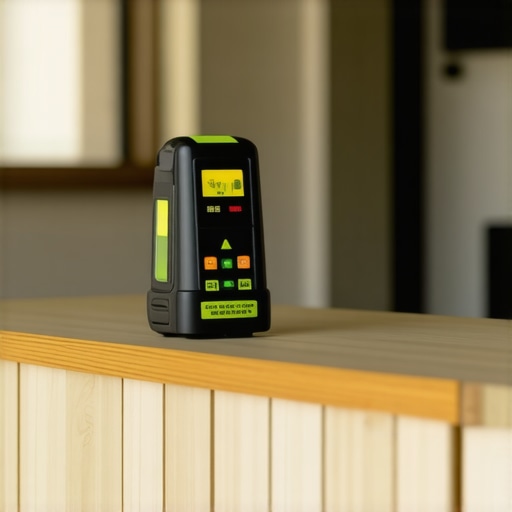
3 Lessons That Changed How I Tackle Built-In Vanity Projects
One of the hardest truths I encountered was realizing that internal reinforcement often gets overlooked but is absolutely vital. I used to rely solely on surface materials, thinking that the veneer or laminate was enough to carry heavy loads. That myth shattered when my first built-in started sagging after a year. Now, I know that internal steel supports and concealed braces are non-negotiable for long-term durability. Additionally, I learned that detailed planning—including precise measurements for steel framing—saves countless headaches during installation. Finally, understanding wall conditions beforehand, especially in older homes, helps me choose the right anchoring solutions, preventing future structural failures. These lessons emphasize that well-supported support systems prevent sagging and prolong the life of your built-ins, making all the difference in your DIY or professional projects.
Tools and Resources I Personally Rely On
My go-to toolkit includes a Bosch GO flexscrewdriver, which offers both control and power when securing internal reinforcements without damaging surfaces. For precise leveling, I trust a Bosch Cross Line Laser Level, helping me verify that every support is perfectly aligned—crucial for preventing future sagging. When selecting reading materials, I recommend focusing on top vanity design trends for 2025 alongside in-depth guides on structural reinforcements. These resources improve my craftsmanship and ensure I’m incorporating innovative, proven techniques into my projects.
Your Next Support System Awaits—Get Started Today
Improving your built-in vanities and storage solutions isn’t just about aesthetics—it’s about creating sturdy, lasting features that boost your home’s value and your confidence. Embrace internal reinforcement strategies, utilize trusted tools, and keep learning from experts—your future self will thank you. Remember, each project is an opportunity to refine your skills and make smarter choices for durability and design. Don’t let doubts hold you back—start applying these insights now, and watch your space transform into a reliable, beautiful showcase of your effort and ingenuity.