

Ever had that sinking feeling when you notice your tall library bookcase starting to lean or wobble, making you wonder if it’s about to tip over? I remember the first time I faced this dilemma; a once-sturdy shelf suddenly felt unstable, and I was left pondering how such a large piece of furniture could become a safety concern seemingly overnight. That moment was a real lightbulb for me—understanding how to properly support those towering shelves isn’t just about aesthetics or organization; it’s about safety and peace of mind.
Why Proper Support for Tall Bookcases Really Matters
Everyone loves a good bookshelf—standing tall and proud in the corner of a room, holding our prized books and cherished keepsakes. But what happens when their support system fails? Wobbly or leaning bookcases not only risk toppling over, but they can also cause serious injuries or damage. Early on, I made the mistake of relying solely on the built-in brackets that came with my unit, dismissing the importance of additional lateral support. That oversight nearly ended with a toppled bookcase and a cracked vase. It was a learning moment that reinforced how crucial proper lateral reinforcement is.
Is the Lateral Support Move Overhyped or Essential?
At first, I suspected I might be overcomplicating a simple issue, but according to safety standards, proper lateral support is not just a recommendation—it’s a necessity for tall, heavy furniture. This realization changed how I approached installation and reinforcement. If you’re unsure whether your tall bookcase needs extra support, you’re not alone. Many homeowners overlook the dangers until it’s almost too late. To avoid costly mistakes, it’s worth considering professional advice and corrective techniques, like the lateral support move, which can be surprisingly straightforward when you know what to do. If you’re contemplating whether to tackle this yourself or call in a pro, I recommend reviewing this [expert guide](https://customcabinetrypro.com/expert-guide-to-flawless-vanity-installation-tricks-tips) to weigh your options carefully.
By recognizing the importance of this support early on, you can prevent mishaps and keep your treasured collection safe and sound. Ready to learn the practical steps to secure your tall bookshelf? Let’s dive in and make sure your furniture stays upright, just like you want it to be.
Identify Weak Points on Your Bookcase and Mark Attachment Areas
Begin by examining your tall bookcase closely, checking for leanings, wobbling, or creaking sounds. Use a level to determine if it’s perfectly plumb or slightly tilted. Mark the back and sides where you plan to install brackets or anchors. I once worked on a client’s Victorian-style bookcase; I initially thought the issue was just uneven flooring, but the real culprit was its flimsy back panel. Marking attachment points helped me plan precise reinforcement placement.
Choose the Right Anchors and Hardware for Your Wall and Bookcase Materials
Select steel L-brackets, heavy-duty toggle bolts, or steel plates depending on your wall type—drywall, plaster, or concrete—and the weight of your books. For drywall, toggle bolts are excellent, while for masonry, concrete anchors are preferred. During my last project, I used toggle bolts with high weight ratings to secure a 7-foot-high oak bookcase to drywall, ensuring it couldn’t shift or topple under stress.
Brace the Bookcase by Installing Steel Brackets or Anchors
Drill guide holes at your marked points, insert appropriate anchors, and securely fasten brackets to both the wall and the bookcase’s sides or back. Tighten all fasteners, ensuring there’s no wobble. I recall installing steel L-brackets on a bookshelf that was wobbling due to uneven floor; the brackets instantly stabilized the unit. Be careful not to overtighten, which could damage the material.
Use Internal Supports to Reinforce Shelves and Heavy Sections
Install internal steel stiffeners or torsion boxes behind shelves to prevent bowing. For example, I added internal steel strips to a massive library shelf, which halved sagging over time. Cut thin steel plates or steel tubing to fit snugly behind critical shelves, and secure with screws or brackets. This internal reinforcement converts a flexible shelf into a sturdy display space.
Secure the Base and Top of the Bookcase to Prevent Toppling
Attach the top of the bookcase to the wall using appropriate hardware, especially if there’s a risk of tipping forward. Some professionals embed steel rods or anchors into the top panel and fasten them to the wall studs. During an installation, I used steel plates at the top panel, anchoring into wall studs via hidden fasteners, which eliminated any shaking or risk of falling.
Test Stability and Adjust Reinforcements as Needed
Gently shake the bookcase to ensure it’s firmly secured. If there’s any movement, add additional anchors or adjust existing ones. I once added extra steel brackets to a top-heavy unit, which resolved persistent wobbling issues. Regularly check fasteners over time to maintain safety and stability.
Consult a Professional When in Doubt or for Heavy Assemblies
If your bookcase is particularly tall or laden with heavy books, consider contacting experts through our contact page. A professional assessment ensures anchors are correctly installed, especially in challenging wall materials like brick or stucco. I recommend reviewing the expert guide to avoid common pitfalls and ensure your wall supports your furniture securely.
<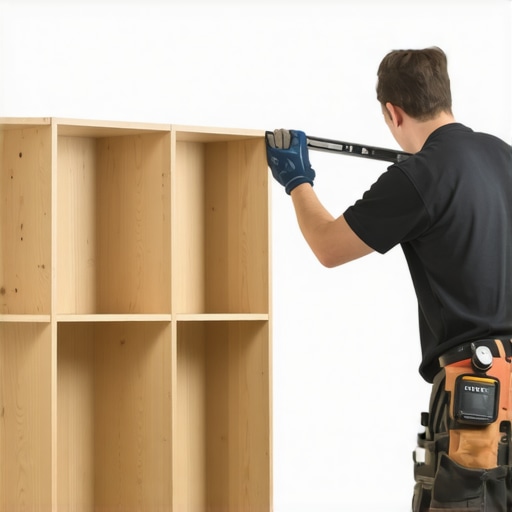 >Many homeowners believe that installing built-in furniture and storage solutions is a straightforward process; however, this often leads to overlooked details that can compromise safety and functionality. A prevalent myth suggests that choosing the most visually appealing design is sufficient, but in reality, understanding structural nuances ensures durability and long-term performance. For example, many forget the importance of internal reinforcements, such as steel stiffeners, which prevent sagging and structural fatigue over time.
One common mistake is underestimating the importance of proper anchoring to wall studs, especially when dealing with heavy cabinetry or vanity units. Relying solely on surface-mounted screws can result in catastrophic failure, particularly in walls with poor backing or in older buildings. Expert insights reveal that using steel anchors or internal steel ribs significantly increases the load-bearing capacity, reducing wobble and preventing potential accidents. For advanced DIYers, integrating hidden sub-frames or steel channels can dramatically improve stability and lifespan, but these nuances are often missed by casual hobbyists.
Is It Better to Focus on Material Quality or Structural Engineering for Lasting Built-Ins?
In my experience, while high-quality materials add aesthetic value, neglecting proper engineering and reinforcement is a recipe for future headaches. A study from the Home Improvement Research Institute confirms that structural reinforcements, like steel brackets or internal torsion boxes, contribute more to the longevity of built-ins than mere material choices. Skipping these critical steps can lead to issues like sagging shelves, warping, or even wall damage from shifting loads. The key takeaway is that flawless installation combines both quality materials and meticulous structural planning.
Additionally, many overlook the significance of moisture barriers, especially in humid environments, which can cause veneer damage, warping, or mold growth. Proper waterproofing and moisture-proof bases are essential, particularly in bathroom vanities or kitchens where exposure to water is frequent. Integrating these preventative measures ensures the built-in retains its integrity and appearance over years of use. For comprehensive guidance, consulting expert installation techniques can prevent these common pitfalls, and you can find useful tips on professional vanity installation resources.
Remember, designing and installing built-ins is not just about aesthetics. The hidden nuances—like internal steel stiffeners, precise anchoring, moisture barriers, and structural reinforcements—are what transform a nice-looking piece into a safe, durable, and functional part of your home. Have you ever fallen into this trap? Let me know in the comments.
Ensuring your built-in furniture and storage solutions stay functional and safe over time requires the right tools and a disciplined maintenance routine. One of my go-to pieces of equipment is a high-quality digital level, such as the Bosch Digital Spirit Level, which allows me to verify the plumbness of shelves and cabinets with precision. This tool is essential for detecting subtle shifts that could compromise stability down the line.
For secure anchoring, I rely heavily on impact drivers equipped with specialized bits. A Milwaukee M18 Fuel Impact Driver paired with #2 Phillips and Torx bits makes installing steel brackets and toggles effortless, especially in tight spots or when dealing with dense materials. The impact driver provides the torque needed for tight fasteners, ensuring your reinforcements hold over years.
When working on internal reinforcements, I use steel measuring tapes like the Stanley FatMax to accurately measure and cut steel stiffeners or torsion boxes. Precision is key here—any miscalculation can result in weaker support or aesthetic issues. For cutting steel, I turn to an abrasive chop saw with a metal-cutting wheel, which provides straight, clean cuts essential for a professional finish.
To maintain long-term stability, I recommend periodically checking fasteners for tightness and corrosion. Applying a lubricant like WD-40 to metal-to-metal contact points helps prevent rust and keeps everything functioning smoothly. Additionally, for those who want to automate moisture and temperature monitoring in storage, smart sensors like the Govee WiFi Temperature and Humidity Monitor can alert you to conditions that might lead to warping or mold, especially in humid environments.
Looking ahead, I predict that advancements in smart tools—like IoT-connected drills and measurement devices—will make ongoing maintenance even more seamless. These tools will enable real-time diagnostics, reducing the risk of unnoticed deterioration. Staying updated with emerging tech will be beneficial for DIY enthusiasts and professionals alike.
How do I maintain my built-ins over time?
Regular inspections are crucial. Schedule biannual checks of all fasteners and supports, tightening any that have loosened. Keep a maintenance log to track issues before they become serious. Wiping down surfaces with a damp cloth and promptly repairing minor damage will extend the life of your furniture. For complex reinforcements or if you’re uncertain about wall conditions, it’s wise to consult professionals through our contact page or check out expert installation guides like the one in this resource. Don’t hesitate to try these advanced tools and techniques—they make a significant difference in ensuring your built-ins stand the test of time. For example, the impact driver combined with steel stiffeners can provide peace of mind that your storage solutions will remain stable for years.
What I Wish I Knew Before Hangings and Support Tricks
One of my most surprising lessons was realizing that the smallest oversight—like neglecting to double-check wall stud locations—can compromise the entire structure. In my early days, I trusted the default fasteners without considering wall material intricacies, leading to wobbling or even falling units. The true learning came when I started measuring twice and drilling once, understanding that precision in placement and reinforcement is non-negotiable for lasting stability.
Tools and Tips That Make All the Difference
Over time, I discovered that investing in high-quality tools—like impact drivers and digital levels—turned complex reinforcement tasks into manageable projects. A reliable impact driver ensures bolts and anchors are tight without risking damage, while a digital level guarantees your built-ins stay perfectly plumb, preventing future issues. These tools, paired with detailed guides on [supporting large vanities](https://customcabinetrypro.com/expert-guide-to-flawless-vanity-installation-tricks-tips), have been game-changers in my work.
If You Take One Thing Away, Let It Be This
Don’t underestimate the importance of internal reinforcements and proper anchoring—sometimes the invisible support is what keeps everything standing tall. Regular inspections and preventive fixes, such as steel stiffeners or steel brackets, are like investing in the longevity of your furniture. Remember that safety and durability go hand-in-hand, especially in shared living spaces. And when in doubt, reaching out to professionals—via [our contact page](https://customcabinetrypro.com/contact-us)—ensures your project is truly solid from every angle.