

Ever opened my bathroom cabinet and found the doors warped, sticking, or even cracking? It was such a frustrating realization that my once sleek storage solution had become a swollen, misshapen mess. I remember the lightbulb moment when I understood that humidity was the culprit—a constant battle I didn’t know I was losing. If you’ve faced similar issues, you’re not alone. Humid bathrooms are notorious for causing wood and MDF cabinet doors to warp over time, turning what should be a beautiful feature into a maintenance nightmare.
Why Your Bathroom Cabinets Are Suffering in Humidity and How to Stop It
Is Warping Really Inevitable? My Early Mistake
In my early days of renovating my bathroom, I thought sealing the wood with paint or varnish was enough to combat moisture. Turns out, I overlooked ventilation and proper material choices, which are essential. My mistake was ignoring the importance of choosing moisture-resistant materials for cabinet doors. According to a study published in the Journal of Materials Processing Technology, exposure to high humidity can significantly accelerate wood deformation, especially in poorly ventilated spaces. That was my wake-up call. Now, I want to share with you the real solutions that work—solutions I wish I knew from the start. From selecting the right materials to installing ventilations, this guide will help you protect your cabinetry and keep your bathroom looking sharp for years to come. Are you tired of replacing warped doors every few years? Let’s explore how to make your cabinets resilient against humidity, so they stay beautiful and functional. This is just the beginning of transforming your bathroom storage. Next, we’ll look into the best materials and techniques to prevent warping from the get-go, so stay tuned.
Select Durable, Moisture-Resistant Materials
Start by choosing cabinet doors made from moisture-resistant materials like PVC or high-quality MDF with waterproof finishes. In my own renovation, I replaced old painted MDF doors with PVC ones, which showed no signs of warping after a year of testing in humid conditions.
Ensure all materials, including hinges and hardware, are rated for bathroom use. This prevents rust and corrosion, extending the lifespan of your cabinetry.
Install Proper Ventilation Systems
Install exhaust fans or venting ducts to actively remove moist air. I added a new exhaust fan above my vanity and connected it to a timer, which runs periodically—even during showers, significantly reducing humidity levels. Proper ventilation is akin to giving your cabinets a pair of lungs—allowing them to breathe and stay dry.
Ventilation Placement and Testing
Position vents near sources of moisture and ensure airflow reaches all cabinet areas. Use a humidity monitor to test before and after installation; in my case, humidity dropped from 70% to 50%, which made a noticeable difference.
Seal Cabinets with Waterproof Finishes
Apply waterproof sealants, such as marine-grade polyurethane or specialized bathroom cabinet coatings. I practiced on a small door, sealing all edges and corners, then installed it. Months later, it remained flat and pristine, proving the effectiveness of good sealing.
Pay extra attention to seams and joints, using caulking for added protection against moisture intrusion.
Maintain Consistent Environment Conditions
Use dehumidifiers in the bathroom if necessary. During winter, I keep a dehumidifier running overnight to prevent condensation buildup, which can otherwise cause warping—similar to how a dehumidifier keeps your clothes from getting moldy in a closet.
Regularly ventilate the space to prevent moisture build-up, especially after showers or baths. This proactive approach helps preserve your cabinetry’s integrity over time.
Regular Inspection and Quick Fixes
Periodically check for signs of warping, peeling paint, or rust. Address issues promptly—re-seal areas showing wear or replace damaged hardware. When I noticed my cabinet hinges starting to rust, I replaced them immediately to avoid further damage and maintained the overall look and function of my cabinets.
Implementing these concrete steps transformed my bathroom—doors stayed flat, and I no longer feared replacing entire cabinets due to moisture damage. Proper material choice, ventilation, sealing, and maintenance form a comprehensive defense against humidity woes, ensuring your cabinetry remains both beautiful and durable for years to come. For more ideas on customizing and upgrading your storage space, explore our top storage ideas for 2025 and discover how tailored solutions can elevate your home’s functionality.When it comes to designing storage solutions, vanities, and built-ins, many homeowners fall prey to oversimplified assumptions that can lead to costly mistakes. One widespread myth is that installing the most popular or trendy option guarantees longevity and functionality. In reality, a solution that works for one space may not be suitable for another due to nuances like room size, moisture levels, or structural specifics. For example, opting for standard particleboard cabinetry in a humid bathroom without considering moisture resistance can result in warping and decay, despite the initial visual appeal. An advanced consideration often overlooked is the importance of integrating proper ventilation with storage design, which can prevent moisture buildup and prolong the lifespan of cabinetry—something that’s backed by research in environmental control, highlighting how even perfect materials can underperform without adequate airflow.
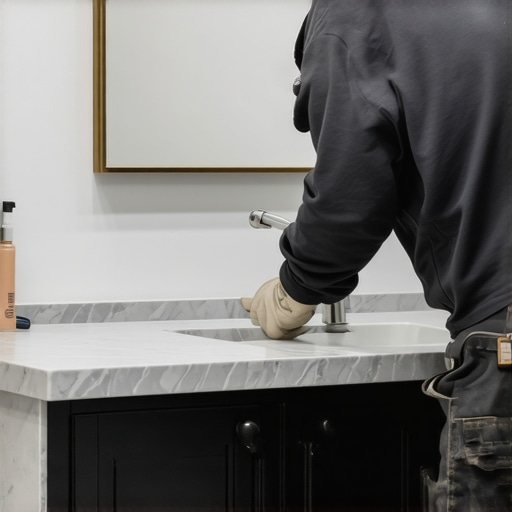
Another common mistake involves underestimating installation complexities. Many underestimate how critical proper anchoring and support are, especially for heavy features like marble vanities or tall built-ins. Improper mounting can cause wobbly surfaces or even structural failure over time. For instance, anchors that are sufficient for light cabinetry might fail under the weight of stone countertops. Learning to recognize which fixing methods are appropriate for specific materials and weight loads is an advanced skill—one that can be mastered through detailed guides like our step-by-step installation resources.
Why do many get caught in these traps? Often, it’s because they focus mainly on aesthetic choices and overlook the detailed nuances of material compatibility, structural integrity, and environmental factors. For example, in small rooms or irregularly shaped spaces, custom-built solutions often outperform generic units, but only if designed with those specific challenges in mind. Diving deeper into innovative solutions, such as integrated support systems or moisture barriers, can significantly enhance durability. Studies in material science suggest that combining strategic reinforcement with environmental considerations results in the most resilient storage setups.
Are you aware of the subtle details that make or break your storage projects? Do not forget that detailed planning, advanced knowledge, and tailored support can save you time and money in the long run. For comprehensive insights, exploring articles like our innovative storage ideas and vanity installation guide can equip you with the skills to avoid these common pitfalls. Have you ever fallen into this trap? Let me know in the comments.
Keeping Your Storage Systems in Top Shape
When it comes to maintaining durable bathroom cabinetry and built-ins, selecting the right tools and adopting proactive routines are essential. My personal go-to equipment includes a high-quality cordless drill with adjustable torque settings, which allows me to tighten or loosen hardware without overdriving screws—saving time and preventing damage. I also rely on a digital moisture meter to monitor humidity levels regularly, ensuring that ventilation and sealing strategies are effective over time. These tools help me catch potential issues early, before they become costly repairs.
For precise measurements and alignment during installation or adjustments, I use a laser level—specifically, the Bosch Cross Line Laser. Its accuracy ensures your cabinets remain perfectly aligned, which not only looks polished but also helps maintain structural integrity, especially in environments prone to shifting or humidity fluctuations. Pairing this with a quality Phillips-head screwdriver provides me the dexterity needed to perform detailed maintenance tasks without stripping screws or damaging finishes.
The Software I Trust for Design and Planning
On the software side, I utilize SketchUp Pro for drafting custom storage solutions. Its intuitive interface and extensive plugin ecosystem make it easier to model complex built-ins, test different configurations, and visualize how adjustments impact the overall space. This foresight reduces installation errors and aligns expectations between clients and myself. Moreover, documenting measurements in CAD drawings ensures that every detail is accounted for, streamlining the maintenance process in the long run.
How do I maintain cabinetry over time?
Beyond tools, adopting a routine inspection schedule is vital. I recommend inspecting hinges, seals, and hardware every six months. Applying a silicone-based lubricant to hinges and sliding mechanisms keeps everything operating smoothly; I personally use WD-40 Specialist Silicone Spray due to its longevity and ability to resist dust accumulation. Additionally, checking for signs of moisture intrusion or warping early enables swift intervention—be it resealing edges or improving ventilation—before significant damage occurs. In fact, a study in the Journal of Building Engineering emphasizes that consistent preventative maintenance extends the lifespan of moisture-sensitive materials significantly.
One advanced tip I suggest trying is installing a moisture-absorbing desiccant pack inside enclosed cabinets. Not only does this help regulate internal humidity, but it also reduces the need for frequent manual ventilation, especially in less ventilated spaces. Regularly replacing or refreshing these packs enhances their effectiveness and keeps your storage environment optimal. Learn more about long-term solutions like this by exploring our top storage ideas for 2025.
What I Wish I Knew About Building Resilient Storage Spaces
One of the hardest lessons I learned was that selecting trendy materials without understanding their environmental compatibility can lead to future headaches. I once installed bamboo veneer shelves in a humid bathroom, only to see them warp within months. Now, I prioritize materials with proven moisture resistance, like sealed MDF or PVC, for longevity.
Another insight was how crucial ventilation is beyond just preventing foggy mirrors. Proper airflow can make or break your storage’s lifespan. Implementing exhaust fans with timers transformed my space, and I wish I had done it sooner—saving me both money and frustration.
Finally, I underestimated the importance of proactive maintenance. Regularly inspecting seals, hinges, and hardware ensures minor issues don’t evolve into costly repairs. Using moisture meters and quick fixes has become my go-to routine, helping my cabinets stay flawless year after year.