I remember the first time I tried to access the back corners of my deep bedroom closet—frustration was an understatement. Clothes kept tumbling, and every time I reached into that cavernous space, I felt like I was wrestling with an unruly beast. It hit me then: traditional shelving just isn’t cut out for these narrow, deep spaces anymore. My closet was doing its best, but it was obvious it needed a serious makeover.
That moment sparked a journey of discovery and trial-and-error. Now, after countless DIY projects and a few expert consultations, I’ve found that a handful of strategic fixes can make a world of difference. Specifically, the *7 Slim Pull-Out Fixes* designed for deep 2026 bedroom closets have transformed how I organize and access my belongings.
So, what are these game-changing solutions? And more importantly, how can they work for your space without breaking the bank? That’s what I’ll uncover today.
Why Your Closet Needs a Smart Upgrade
Deep closets often seem like a blessing—until you need that one shirt tucked away in the back. Over time, I realized that the right interior design tweaks could turn a cluttered nightmare into a sleek, functional haven. Modern storage innovations are not just about shiny new furniture. Instead, they focus on maximizing efficiency in tight spaces, making every inch count.
If your wardrobe feels more like a maze than an organized wardrobe, then these pull-out solutions promise to revolutionize your experience. Plus, a well-optimized closet can boost your mood and save you precious time each morning.
Is a Fancy Built-In Really Worth the Hype?
Let’s be honest—early on, I made the mistake of thinking that an elaborate built-in was the only way to fix my storage woes. Big mistake. It was expensive, complicated, and over time, I found it wasn’t flexible enough for my changing needs. My advice? Focus on smart, adjustable fixes that can be customized—a lesson I learned the hard way. For more ideas on efficient built-in designs, check out [creative built-ins](https://customcabinetrypro.com/creative-built-ins-for-seamless-storage-and-home-aesthetics).
Ready to see how these simple yet effective fixes can make your deep closet feel like a walk-in? Let’s dive into the practical solutions that will turn your storage chaos into ordered bliss.
Install Adjustable Pull-Out Shelves for Easy Access
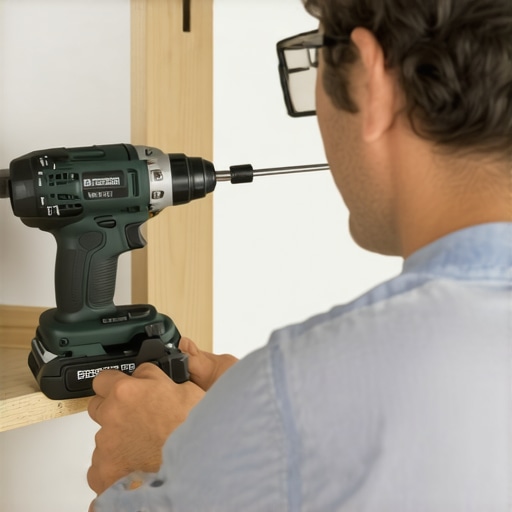
Start by measuring the depth and width of your closet to determine the best shelf size. During my project, I used a level and a tape measure to ensure precise measurements, which initially led to a few mismatched cuts, but ultimately created a perfect fit. Attach rail brackets securely to the side walls using a cordless drill, ensuring they’re level so your shelves glide smoothly. Think of this step as building a train track—precision ensures everything runs seamlessly. Opt for shelves with a lip or front edge to prevent items from falling off during motion. For detailed guidance, see vanity installation hacks—they share valuable tips on mounting hardware securely.
Utilize Slide-Out Baskets and Drawers
Next, incorporate slide-out baskets to organize smaller items like accessories or seasonal clothing. Use mounting hardware compatible with your closet’s framing—most can be attached with minimal tools. During my first attempt, I underestimated the weight capacity, causing the drawer slides to sag over time. To fix this, I installed steel brackets underneath, much like reinforcing a weak bridge. This added support prevented sagging and increased durability. Think of this as giving your shelves a backbone—sturdy support keeps everything in working order. For more tips, visit effortless storage solutions—a great resource for optimizing tight spaces.
Leverage Corner Space with Lazy Susans or Turntables
Deep closets often waste corner spaces, but turning them into functional spots can drastically improve accessibility. Install a rotating turntable or lazy Susan to hold bulky items like bags or shoes. During my project, I utilized a 12-inch diameter turntable, which I placed in the back corner. The installation involved fixing a circular plate onto the shelf base using screws—simple but effective. Think of this as spinning a wheel of fortune—what was once hidden is now within reach with a simple twist. This method prevents small items from becoming lost in the abyss of the deep corner. For innovative ideas, see creative built-ins—perfect for elevating your storage game.
Use Pull-Out Hooks for Hanging Items
Maximize vertical space by installing pull-out hooks or rods. These are especially useful for hanging accessories, belts, or ties. Mount them inside cabinet doors or on the side walls. I faced a challenge with installation—drilling into the wall was tricky due to drywall constraints. To address this, I used heavy-duty steel anchors that I found in a local hardware store, which provided sturdy support for the hooks without damaging the drywall. Think of anchors as the anchors of a ship—without them, the whole structure becomes unstable. This approach kept my hanging items accessible yet out of the way. For more practical tips, visit heavy-duty fixes for closet rods—details that ensure your upgrades last.
Install Adjustable Dividers to Keep Everything Organized
Adding adjustable dividers to shelves helps keep clothing, shoes, or accessories neatly separated. They’re easy to install—simply measure your shelf space, cut or select dividers to fit, and position them accordingly. In my experience, using modular dividers allowed me to customize the space as my storage needs changed. I secured them with small brackets, which I fastened with screws, ensuring they stay in place even under load. Think of these dividers as the walls of a tiny city—structure and order in a small footprint. This organization method demystifies unpacking and packing every day, saving time and frustration. Check out built-in storage ideas for additional inspiration on maximizing your closet’s potential.
Seal and Protect Your Upgrades to Extend Lifespan
Finally, apply a sealant or protective coating to wood surfaces to prevent moisture damage and wear. During my project, I used a clear sealant that dried quickly and added a layer of durability. This step is vital if your closet is exposed to humidity or frequent use. Think of it as adding a raincoat—goods remain safe and pristine longer. For comprehensive protection tips, explore waterproofing fixes. This investment pays off by ensuring your organization solutions remain functional and attractive for years to come.Many homeowners assume that built-ins and vanity installations are straightforward projects, but the reality is far more nuanced. One widespread misconception is that standard measurements and generic designs will fit any space perfectly. In fact, each space demands precise, custom adjustments—overlooking these details can lead to costly errors and unstable structures. For example, relying solely on the manufacturer’s templates without accounting for wall imperfections or floor slopes often results in gaps, wobbling, or misaligned panels. Advanced builders know that incorporating flex-techniques such as shimming and detailed scribing ensures seamless integration and longevity. Another trap many fall into is overestimating the strength of typical wall anchors. A study by the American Institute of Architects emphasizes that proper anchoring requires understanding load distributions and wall compositions, especially for heavy built-ins or floating vanities. Using insufficient anchors can cause catastrophic failures, damaging both the unit and the wall.
Furthermore, there’s a myth that elaborate, expensive hardware guarantees better durability. While high-quality materials matter, the hidden nuance lies in correct installation—improper screw placement or misaligned slides can sabotage even the most premium components. For instance, steel shelf brackets must be secured into studs or reinforced with toggle bolts to bear weight effectively. Skipping this step risks sagging or detachment over time. Likewise, many underestimate the importance of moisture management, especially for vanities in humid environments. Applying sealants and choosing rust-resistant hardware not only prolongs the lifespan but also maintains aesthetic appeal. Advanced professionals routinely incorporate moisture barriers and ventilation considerations, which are often overlooked in DIY projects.
When tackling custom built-ins, understanding the detailed substructure is crucial. Hidden supports like steel braces or cleats are game-changers in preventing sagging—yet, they’re often omitted due to perceived complexity. Incorporating these elements requires not only technical skill but also an understanding of how to seamlessly integrate them into the design. For a more comprehensive guide on how to avoid these pitfalls, check out the step-by-step instructions for vanity installation. Remember, meticulous measurement, understanding load factors, and employing the right reinforcement techniques transform a good project into an enduring masterpiece.
In conclusion, the nuances often make or break these installations. Have you ever fallen into this trap? Let me know in the comments.
Maintaining your built-in storage and vanity installations ensures longevity and optimal performance. With the right tools and routines, you can keep your custom solutions functioning smoothly for years. One key tool I personally rely on is a high-quality cordless drill with adjustable torque settings. This allows me to tighten or loosen fasteners precisely without damaging delicate materials, making adjustments straightforward over time. Additionally, a digital caliper comes in handy for measuring gaps, shelf thickness, and hardware compatibility, ensuring that every component remains perfectly aligned as seasons change or minor shifts occur.
For ongoing upkeep, a silicone-based spray lubricant proves invaluable. I use this on sliding tracks, hinges, and steel brackets to prevent squeaking and corrosion, especially if your storage space is prone to humidity. Regular inspections—once every six months—help catch loose screws or signs of wear early, preventing minor issues from turning into costly repairs. Incorporating a soft cloth and a mild cleaner into your routine keeps surfaces looking brand new, preserving the aesthetic appeal and resale value of your investment.
Advancements in smart home technology are beginning to influence storage maintenance as well. Automated sensors now monitor humidity and temperature levels, alerting you when conditions threaten your cabinetry. In the future, we can expect AI-powered maintenance systems that analyze wear patterns and schedule self-repair routines, further simplifying upkeep. Implementing such innovations can be as simple as integrating a connected environmental sensor into your system—something I recommend trying for peace of mind.
How do I keep my built-ins in top shape over the years?
How you approach long-term maintenance makes all the difference. Keep an eye on hardware integrity by using a magnetic screwdriver to quickly check torque levels without damaging fasteners. Make it a habit to review moving parts, like pull-out shelves or turntables, and clean tracks from dust or debris for smooth operation. Using protective coatings, such as clear sealants on wood surfaces, defends against moisture damage, especially in humid environments. For complex or heavy-weight installations, reinforce joints with steel braces—these can be added seamlessly and extend the life of your fixtures.
Remember, quality engineering combined with regular care is the secret to enduring storage solutions. If you’re looking for expert design tips that blend durability with style, check out expert tips for maximizing space. Want to explore how automation can streamline your maintenance routine? Consider integrating sensors that notify you of environmental changes or hardware wear. This proactive approach ensures your investments continue providing value and function over decades.
Finally, try applying a protective coating or lubricant to a seldom-accessed corner of your storage today. Small steps like this can prevent costly repairs later and keep your built-ins looking pristine. Regular upkeep, combined with the latest tools and smart tech, truly macht den Unterschied in maintaining your home’s most valuable features.
Throughout this journey, I realized that the most profound lessons about deep closet upgrades weren’t just about hardware or design but about embracing a mindset of continuous improvement. One of the hardest lessons I learned is that perfection is a moving target; even the best solutions require tweaks and adjustments over time. Sometimes, attempting to save a few dollars on hardware led to setbacks—like sagging shelves or misaligned pull-outs—reminding me that investing in quality pays dividends in the long run.
Another insight was that patience is key. Rushing into a DIY project without meticulous measurements or skipping steps can make simple fixes turn into frustrating setbacks. I’ve come to cherish the process of measuring twice and installing once, understanding that precision is what separates a temporary fix from a lasting solution. And finally, I discovered that even small details, like using steel anchors or sealing wood surfaces, dramatically extend the lifespan of my closet upgrades—small investments with significant returns.
My Essential Toolkit for Closet Reinvention
One tool I swear by is a high-quality cordless drill with adjustable torque settings, which makes installing pull-out shelves or securing steel brackets far easier and more precise. A digital caliper has saved me from mismatched measurements, ensuring every component fits perfectly. For sealing and protecting my wood surfaces, I rely on a clear, moisture-resistant sealant that maintains the aesthetic while defending against humidity—crucial for longevity.
Another must-have is a magnetic screwdriver, which simplifies tightening or loosening fasteners without damaging delicate hardware. Lastly, a lightweight level ensures that all shelf supports and tracks are perfectly aligned, avoiding crooked installations that can cause frustration later. These tools form the backbone of my DIY success and are worth every penny for anyone serious about deep closet organization.
Illuminate Your Path with Inspired Action
Creating a deep closet that functions like a dream is within your reach—you just need the right mindset and a willingness to experiment. Start small: install an adjustable pull-out shelf or add corner lazy Susans to reclaim hidden spaces. With patience and careful planning, you’ll soon enjoy a clutter-free wardrobe that makes every morning easier. Remember, transforming your space isn’t about perfection—it’s about progress, commitment, and enjoying the process of making your home truly yours.
What’s the first upgrade you’re excited to try in your deep closet? Share your plans below—I can’t wait to hear about your transformation journey!
For more expert tips on maximizing closet space, don’t forget to explore this resource on custom vanities and storage solutions.
Related Posts
7 Closet Built-in Fixes for Deep 2026 Bedroom Storage Corners
Have you ever stood in your bedroom, staring at that…
7 Slim Pull-Out Fixes for Deep 2026 Bedroom Closets
It was a morning just like any other when I…
![Stop Bedroom Built-in Sway: 4 Hidden Support Fixes [2026]](https://customcabinetrypro.com/wp-content/uploads/2026/03/Stop-Bedroom-Built-in-Sway-4-Hidden-Support-Fixes-2026.jpeg)
Stop Bedroom Built-in Sway: 4 Hidden Support Fixes [2026]
Have you ever leaned against your built-in wardrobe or vanity…