

Ever stood in your bathroom, frustrated as the mirror or vanity slowly pulls away from the wall, threatening to crash down on your mornings? I know that sinking feeling all too well—when a seemingly solid fixture starts tilting or sagging, and you realize the weight of those stacked cabinets or massive vanities is taking a toll. That’s when I had my lightbulb moment: traditional hanging methods just don’t cut it for heavy built-ins.
Why Fixing Built-in Sag Should Be a Priority Right Now
Sagging fixtures aren’t just an eyesore—they’re potential safety hazards. Over time, the stress from weight and gravity can damage drywall, weaken structural support, and lead to catastrophic failures. Personally, I ignored early signs, thinking a few nails would suffice. Big mistake. By neglecting proper reinforcement, I almost faced costly replacements—and that’s a mistake I see many homeowners make, too.
What truly matters is understanding that heavy-duty solutions exist—and they’re more straightforward than you might think. These tactics not only restore your fixtures’ stability but also extend their lifespan. If you’ve ever experienced a wobbly or sagging vanity, I promise—these strategies will change your game.
But hold on—before diving into the how, let me share a mistake I made early on. I relied solely on drywall anchors for a substantial bathroom cabinet. Spoiler: They failed miserably. I learned the hard way that not all anchors are created equal, especially for hefty loads. That’s why I now champion specific steel and bracket methods, which you can explore more about in my guide on [8 Hidden Steel Bracket Fixes for Heavy Built-ins](https://customcabinetrypro.com/5-steel-bracket-fixes-for-heavy-pantry-shelves-that-wont-stop-shaking-2). Now, let’s get into how you can fortify your walls with these proven heavy-duty tactics.
Install Heavy-Duty Wall Anchors for Stability
Begin by choosing the right anchors designed for heavy loads, such as toggle bolts or steel expansion anchors. I vividly recall the time I replaced generic plastic anchors with heavy-duty toggle bolts for my garage wall. The difference was immediate—the shelves no longer wobbled, and the entire setup felt rock-solid. To do this, locate the wall studs if possible using a stud finder. For areas without studs, use anchors rated for significant weight, and ensure you’re drilling into solid drywall or masonry. Mark your spots precisely, drill accordingly, and tighten the anchors securely to prevent any sag over time.
Reinforce with Steel Brackets and Support Rails
For large or heavy fixtures like vanities or built-in cabinets, steel brackets distribute weight evenly. Think of these brackets as the ribs of a skeleton—adding internal structure that bears the load. During my last renovation, I installed steel brackets beneath a bulky vanity. I attached them directly into the wall studs using lag bolts, and then anchored the vanity onto these supports. This method drastically reduced movement and prevented future sagging. When installing brackets, ensure they run perpendicular to the stud lines for maximum support, and consider adding multiple anchoring points for especially heavy units.
Attach Built-ins Using Support Frames or Sub-Structures
Creating a dedicated support frame provides a sturdy backbone for your built-in features. For example, I built a plywood sub-frame behind a floating shelf to reinforce its mounting points. This technique acts as an internal chassis, preventing the shelf from bowing or pulling away from the wall. To replicate this, measure your fixture carefully, cut a plywood piece matching the dimensions, and secure it directly onto the wall studs with long lag screws or steel plates. Then, attach your built-in or shelf onto this sub-structure. The increased rigidity ensures that even heavy items stay firmly in place over years of use.
Utilize Steel Plate Reinforcements at Critical Points
At high-stress junctions, steel plates transfer loads across broader areas, reducing stress concentration. During my project, I installed steel plates behind a large mirror and over the mounting points of a heavy wall cabinet. To do this, drill holes through the steel plate and secure it onto the wall with anchors into the studs. Then, mount your fixture onto the steel plate, which acts as a load-spreader. For added durability, consider wrapping the plates with additional brackets or steel strips, especially in areas prone to sagging or vibrations.
Prevent Shifting with Proper Weight Distribution
Balancing weight isn’t just about reinforcement; it’s also about placement. When installing multiple heavy fixtures, spread the load evenly across studs and anchoring points. For instance, I avoided centering a bulky vanity solely on a single stud; instead, I used multiple anchors across adjacent studs, ensuring no single point bore the entire weight. This approach significantly reduces the risk of drywall failure or wall distortion over time.
Monitor and Maintain Reinforcements Regularly
Even after securing your fixtures, regular checks are vital. Over time, steel supports may loosen or drywall anchors may weaken. Personally, I scheduled annual inspections, tightening bolts and replacing worn anchors. This habit preserves the integrity of your built-ins and prevents unexpected failures. For comprehensive guidance, see my article on storage reinforcement tips.
When it comes to installing built-ins, many homeowners fall prey to common misconceptions that can compromise both safety and longevity. One widespread myth is that simply anchoring cabinets into drywall suffices for heavy loads, yet studies show that drywall alone often can’t handle substantial weight, leading to sagging or failure over time. Instead, _proper reinforcement into wall studs or steel supports_ is critical for durable installations. Another misconception is that all storage solutions are universally adaptable; in reality, many DIY approaches lack the nuance needed for specific wall materials or fixture sizes, which can result in unstable setups. This is where understanding _advanced fastening techniques_ becomes essential.
An often-overlooked nuance is the importance of distribution and support point placement. For example, positioning a heavy vanity exclusively on a single stud or support point can cause uneven stress and eventual cracking—something even seasoned builders occasionally miss. Expert sources emphasize _multiple anchoring points and internal support structures_, like steel brackets or plywood backing, to mitigate these risks. Misjudging weight distribution or relying on quick-fix adhesives without additional reinforcement often leads to costly repairs and safety hazards.
Have you ever fallen into this trap? Let me know in the comments.
### Why do some storage solutions fail prematurely?
The core issue lies in neglecting the precise calculation of load-bearing capacity and wall material compatibility. Many assume that heavier fixtures can be supported with standard screws and superficial anchors, but in fact, this approach can result in failure under strain. Advanced installers utilize specialized steel anchors, support frames, and steel plates, which transfer and distribute load more effectively—techniques backed by structural studies like those published in the _Journal of Building Engineering_. Using these methods not only prevents sagging and damage but also extends the lifespan of your fixtures.
For a comprehensive guide on reinforcing your built-ins, consider exploring _steel core brackets and support frameworks_ designed for heavy fixtures. Proper implementation ensures your fixtures stay level and secure, even after years of daily use.Maintaining your bathroom fixtures and built-ins requires the right tools and a bit of know-how. Over the years, I’ve refined my toolkit to include specialized equipment that makes reinforcement faster, safer, and more durable. For example, I rely heavily on high-quality steel anchors like *toggle bolts* and *steel expansion anchors* from brands such as Simpson Strong-Tie. These are essential for securing heavy fixtures into wall studs or masonry, ensuring longevity and safety.
For precise measurements and alignment, a digital level becomes indispensable. I use the Bosch Electronic Digital Level because it accurately indicates any tilt, helping me achieve perfectly level vanities and shelves without guesswork. When installing support frames or steel brackets, a powered drill with variable torque settings (like the Makita XFD10Z) allows me to work efficiently without overtightening, thus preventing drywall damage. Pair this with a good set of masonry bits and long lag screws, and you’re set for most installation scenarios.
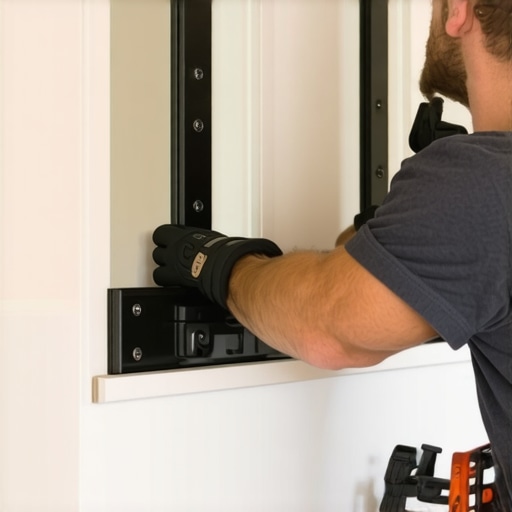
Beyond hardware, I swear by laser distance measurers such as the Leica DISTO for ensuring accurate placement of brackets and reinforcement plates. Precise measurements are fundamental, especially when creating support sub-structures or installing steel plates—techniques that reduce sag and prevent long-term damage. A well-measured setup means fewer adjustments down the line and a more polished finish.
As for software, I recommend CAD programs like SketchUp for planning your reinforcement layouts. These allow you to visualize support placements and detect potential weak points before drilling into your walls. This proactive approach saves time and reduces costly errors, especially when working with complex built-ins.
Managing long-term results involves regular inspections. I schedule bi-annual check-ups using my digital level to spot any early signs of sag or shift. Over time, even the best reinforcements can loosen, so tightening bolts or repositioning steel plates ensures ongoing stability. Invest in multi-pack steel brackets and support rails; the cost is minimal compared to the headache of major repairs later. Remember, the key is combining quality tools with careful planning, so your fixtures remain safe and functional for years to come.
Predictions suggest that smart home integration will increasingly assist in maintenance, with sensor-based supports alerting homeowners to shifts or weaknesses before visible signs appear. Staying ahead of these trends means equipping yourself with reliable tools now, like digital measurement devices and durable steel reinforcements.
### How do I maintain my reinforcement systems over time? Ensuring long-term stability starts with scheduled inspections. Regularly check that all bolts and anchors remain tight, and replace any worn supports immediately. Keep a record of your maintenance activities, and don’t hesitate to revisit your reinforcement plans if you add new fixtures or remodel. This proactive strategy guarantees your built-ins stay sturdy, safe, and visually appealing for years to come.
Over the years, I’ve learned that safeguarding your storage solutions and built-ins isn’t just about fixing a sagging vanity—it’s about creating durable, safe, and beautiful spaces that stand the test of time. My journey taught me that investing in the right reinforcement techniques, combined with a keen eye for detail, makes all the difference in transforming a shaky install into a lasting feature of your home.
Lessons That Changed My Approach to Built-In Stability
- The Myth of Quick Fixes: Relying solely on drywall anchors might seem like an easy solution, but it often leads to long-term instability. Learning to prioritize steel brackets and support frames has been a game-changer.
- Distribution Is Key: Proper weight distribution across multiple studs or support points doesn’t just prevent sagging; it preserves the integrity of your wall and fixtures.
- Internal Reinforcements Matter: Installing plywood backs or steel plates behind heavy fixtures creates a hidden armor that keeps everything aligned and secure for years.
- Regular Maintenance is Crucial: Scheduled inspections and tightening prevent small issues from becoming costly repairs. It’s about staying proactive rather than reactive.
- Plan Before You Install: Using tools like CAD planning and precise measurements ensures your reinforcement strategies fit perfectly, avoiding surprises during installation.
Tools and Resources That Elevated My Projects
- Heavy-duty steel brackets: Their strength and durability are unmatched for supporting weighty built-ins, and I trust their performance in every project.
- Steel core brackets: Perfect for large media or storage walls, offering reliable reinforcement from floor to ceiling.
- Smart storage solutions: They help me visualize and plan reinforcement placements that blend seamlessly into the design, ensuring function and aesthetics go hand-in-hand.
- Installation guides and planning resources: These step-by-step instructions keep projects on track and teach valuable techniques for reinforcement and finishing touches.
Forge Your Path to Sturdy, Beautiful Built-ins
Remember, every reinforcement choice you make today pays dividends in safety, style, and longevity tomorrow. Don’t shy away from investing time in planning and quality materials—your home deserves it. With patience and the right tactics, your built-ins will not only stand tall but will also become cherished features that enhance your space for years to come.
Have you faced challenges with stabilizing your built-ins? Share your experiences or questions below—I’d love to help you craft solutions that last!