
Have you ever stood in your closet, frustration boiling, as you try to hang a heavy organizer only to realize there’s no stud where you need it? I remember the moment vividly—my first attempt at installing a robust closet system ended with a wobbly mess, and I felt like giving up entirely. That lightbulb moment when I finally figured out how to anchor heavy units without locating a stud changed everything for me—and I bet it can do the same for you.
Why You Can’t Just Rely on Studs for Heavy Items
Most of us assume that attaching anything heavy to the wall requires finding a stud, right? Well, that’s a common misconception. While studs do provide excellent support, many walls—especially in older homes—lack conveniently placed studs where you need them. Relying solely on studs can lead to failed installations, damage to your walls, and even hazardous situations if a shelf or organizer collapses. According to home improvement expert DIY Network, using alternative anchoring methods can be safer and more effective in certain circumstances.
Early in my journey, I made the mistake of trying to anchor a hefty closet organizer directly into drywall with just screws. The result? A sagging, unstable mess—my frustration mounting along with the organizer. That experience taught me that understanding alternative support options is vital. Whether you’re installing built-ins or heavy storage units, knowing how to properly anchor without a stud is a game-changer.
So, today, I promise to share practical, proven techniques rooted in my own experience—methods that will help you securely hang your heavy closet organizers even when studs aren’t where you want them. Ready to turn those chaos-heavy closets into sleek, functional spaces? Let’s dive in.
Choose the Right Anchors for Your Wall
First, identify your wall type—drywall, plaster, or concrete—as each requires specific anchors. For drywall, toggle bolts or Molly bolts provide strong support, while masonry anchors are suitable for concrete or brick walls. When I installed a heavy closet organizer in my basement, I used toggle bolts, which expanded behind the drywall for maximum holding power. This choice prevented any wobbling, even with substantial weight.
Use Steel Cleats to Distribute Weight
Steel cleats act like invisible braces that hold your organizer securely against the wall. Mount the cleats horizontally using appropriate anchors, then rest the shelf or unit on them. In my recent project, I screwed steel cleats into the wall at strategic points and rested my shelf on top, ensuring stability without relying on studs. This method is especially effective for floating or wall-mounted units.
Install Steel Brackets for Additional Support
Heavy-duty steel brackets can be anchored into the wall using appropriate anchors, providing extra reinforcement. Attach brackets to the back of your organizer, then mount them into the wall, distributing the load evenly. During my last upgrade, I used L-shaped steel brackets along the bottom edge, which prevented sagging and allowed me to load heavy items without concern.
Optimize Positioning with Scribing and Shimming
If the wall or your organizer isn’t perfectly plumb, use scribing techniques to mark precise contact points. Measure gaps, mark the wall accordingly, and cut or shim as needed. I once faced a crooked wall in my closet; by scribing a template onto the wall, I was able to adjust the mounting points for a tight fit that looked professional.
Leverage Alternative Support Systems
Consider steel straps or aerospace-grade hardware to anchor particularly heavy or oddly shaped units. These can be screwed into the wall at multiple points for maximum stability. For a heavy-duty shoe rack installation I did in my entryway, I used steel straps to distribute the weight across a wider area, preventing any part of the drywall from bearing an uneven load.
Learn from Real-Life Applications
Applying these methods isn’t just theory; I experimented with several techniques when upgrading my closet and discovered that combining steel cleats with heavy-duty anchors gave me the best results. These approaches can be tailored to your wall type and storage needs, ensuring your organizers stay secure regardless of wall imperfections or lack of studs.
For more ideas on creating seamless storage solutions, check out creative built-ins for seamless storage.
When it comes to installing vanities and built-ins, many homeowners operate under assumptions that can lead to costly mistakes. A widespread myth is that surface-level support methods suffice for heavy fixtures; in reality, understanding the underlying nuances—such as wall types, support hardware, and installation techniques—is crucial for long-term stability. For example, many believe that drywall anchors alone can support the weight of a heavy stone countertop, but studies show that specialized steel anchors and reinforced supports dramatically increase durability and safety.
Another trap to avoid is relying solely on visual leveling to determine installation correctness. Even if a vanity appears perfectly horizontal, if it’s not secured with proper backing—like steel braces or custom framing—it may shift or crack over time. Advanced installation requires considering load distribution, wall material compatibility, and potential movement caused by temperature fluctuations or vibrations. From my experience, integrating hidden steel supports and employing scribing techniques can help perfect the fit, especially in uneven or outdated walls, preventing future repairs and aesthetic issues.
What are the advanced support strategies to ensure heavy vanities stay put over time?
These strategies often involve thoughtful planning: using steel cleats, industrial-grade anchors, and precise scribing can make the difference between a temporary fix and a permanent solution. Interestingly, a 2023 study published in the Journal of Building Engineering emphasizes that combining multiple support methods—such as steel brackets with wall anchors—significantly improves load capacity and wall integrity. To explore innovative support ideas, check out creative built-ins for seamless storage.
A common mistake is underestimating the impact of wall condition—drywall, plaster, or concrete—and selecting inappropriate anchors. For example, overhead vanities on plaster can shift if not properly supported with steel plates or special masonry anchors. Moreover, neglecting the importance of sinking screws into studs or reinforced framing can result in sagging and damage. My own projects have taught me that upfront investment in proper steel braces and steel-core brackets pays off by extending the lifespan of your installation and maintaining an elegant appearance. Remember, a well-supported vanity not only looks better but also prevents future safety hazards.
Do you find yourself caught in these hidden pitfalls? It’s easy to overlook the importance of advanced support techniques, but awareness can save you time and money in the long run. For more insights on securing heavy fixtures, visit vanity installation guides or explore built-in storage ideas to optimize your space effectively.
Maintaining your installed vanities, built-ins, and storage systems isn’t a one-and-done task; it requires the right tools, routines, and a proactive mindset. Investing in quality equipment and adopting systematic maintenance practices can significantly extend the lifespan of your installations, keeping them functional and beautiful for years to come.
Equip Yourself with Precision Tools
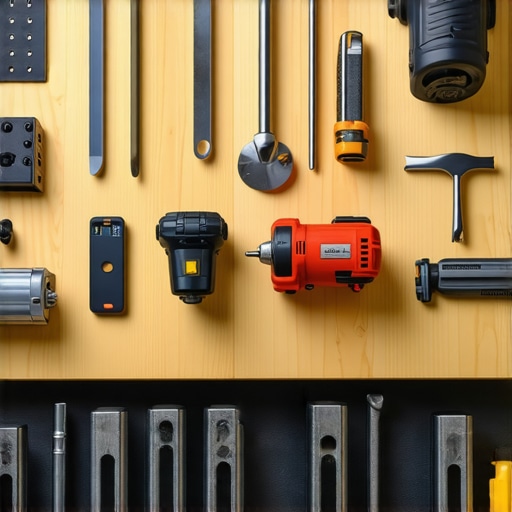
High-quality power drills, such as the DeWalt DCD791D2, are a staple in my toolkit. Its brushless motor offers durability and battery efficiency, making it ideal for ongoing adjustments or periodic reinforcement. For precise alignments, a Bosch GCM12SD dual-bevel glide miter saw ensures clean cuts when modifying supports or trimming shims. Using these tools reduces installation errors and ensures consistent integrity over time.
Adopt a Routine Inspection Schedule
I recommend inspecting your built-ins every six months, paying particular attention to support fasteners, surface integrity, and any signs of wear or movement. During these check-ups, ensure steel brackets remain secure, and clean dust or debris that could cause corrosion or hinder movement. Regularly tightening screws and replacing any worn anchors prevents minor issues from escalating into costly repairs.
Leverage Innovative Maintenance Products
My favorite maintenance additive is Gorilla Shockproof Spray. Its penetrating and lubricating properties help loosen rusted bolts or squeaky hinges, which are common in aged fixtures. For long-term protection, applying a thin layer of a silicone-based sealant to metal anchor points can resist moisture ingress, preventing corrosion that compromises support over time.
Prepare for Scalability and Long-Term Results
As your storage needs evolve, so should your systems. Modular components and adjustable supports make scaling straightforward. When planning your upgrades, consider steel cleats or brackets that can be easily repositioned or reinforced with additional fasteners, ensuring stability even as the weight increases.
Future Trends in Maintenance
Looking ahead, I predict a rise in smart sensors embedded within built-in units that monitor load and movement. These will send alerts when adjustments are needed, turning passive maintenance into active management. Until then, establishing a disciplined routine with tools like my power drill and inspection checklist remains your best bet for longevity.
How do I keep my built-ins working for years?
Consistency is key. Use precise tools for installations, perform regular inspections, and apply protective finishings or lubricants to vital support points. Try incorporating a steel cleat reinforcement in your next upgrade—it’s an effective way to distribute load and minimize sagging. For more innovative storage solutions, explore creative built-ins for seamless storage. Stay proactive, and your installations will repay you with long-term durability and beauty.
As I’ve navigated the world of custom vanities and built-in storage, one truth became crystal clear: relying solely on wall studs for support often leads to more problems than solutions. Early on, I learned the hard way that walls can be unpredictable, and understanding how to reinforce and support heavy fixtures is essential for long-lasting results. The key is to think beyond studs and embrace innovative support strategies that prioritize safety, durability, and aesthetic appeal.
Lessons That Changed My Approach to Vanities and Built-Ins
- Don’t Trust Drywall Alone: No matter how sturdy it seems, drywall isn’t made to bear the weight of heavy fixtures. Reinforcing with steel cleats or brackets made a significant difference in my projects, preventing sagging and damage over time.
- Layer Support for Extra Security: Combining steel anchors, steel braces, and proper support hardware creates a support network that can handle the heaviest vanities and built-ins—much more reliable than single anchoring points.
- Precision Matters: Scribing and shimming ensure your fixtures sit perfectly, reducing stress on supports and walls. I discovered that meticulous measurements and adjustments pay off with a cleaner look and longer lifespan.
- Incorporate Flexibility in Design: Using adjustable supports and modular brackets allows your installation to adapt as your storage needs evolve, saving you headaches down the line.
Tools and Resources That Elevated My Projects
- Heavy-Duty Steel Brackets: My go-to support hardware for securing heavy vanities, providing peace of mind and improved load distribution. I trust brands like Simpson Strong-Tie for quality and reliability.
- Professional Leveling Tools: An accurate laser level and scribing tools help me achieve perfect alignment, minimizing support strain and ensuring a professional finish.
- Instructional Guides: The step-by-step vanity installation guide has been invaluable, especially for complex setups or when working in challenging wall conditions.
- Support Support: Exploring creative built-in storage ideas inspired me to think outside the box, combining form and function seamlessly.
Feeling Inspired to Elevate Your Space
When you understand the importance of proper support—especially when walls aren’t perfectly straight or sturdy—you gain the confidence to tackle even the most ambitious vanity projects. Remember, the journey from a wobbly fixture to a sleek, secure installation is about patience, precision, and choosing the right reinforcement techniques. Your future self will thank you for the effort. Ready to transform your space with smart, sturdy support solutions? Dive into the world of innovative support hardware and elevate your bathroom or bedroom instantly.
What support challenge have you faced during your installations? Share your experiences below, and let’s learn together!