

It was a morning like any other, until I reached for a favorite book on my built-in bookshelf and felt it wobble unpredictably. That nagging shimmy, the annoying instability—I’ve been there more times than I can count. At first, I thought it was just normal wear and tear, but after a few too many scrapes and wobbles, I realized something had to change. I knew I couldn’t be the only one battling shaky built-ins that threaten to topple or, worse, cause damage over time.
Why a Wobbly Built-In Can Turn into a Big Problem
Wobbly furniture isn’t just an annoyance; it can lead to serious safety hazards and costly repairs if left unaddressed. Over time, even minor movement can loosen joints, crack drywall, or cause shelves to collapse. The good news? I discovered that concealed steel plates might be the secret weapons against this instability. These hidden reinforcements are not only effective but also preserve the sleek appearance of your built-in fixtures. In my journey to stabilize my problematic cabinets, I found that employing steel plates strategically can create a solid, dependable shell—think of it as giving your furniture a backbone.
If you’re tired of feeling uneasy about your built-ins, or if you’ve experienced the stress of watching your shelves sway with every bump or quake, you’re not alone. And there’s good news—what I’ve learned from my own experience can help you secure your furniture quickly and reliably.
Could This Be the Fix You’ve Been Overlooking?
In the early days, I made the mistake of assuming that tightening screws alone would do the trick. Spoiler: It didn’t. The real breakthrough came when I realized that the problem was rooted in the lack of internal reinforcement, not just surface attachments. That’s when I started exploring hidden steel plates—small, unassuming pieces that pack a punch. Once I added these discreet supports, my built-ins felt more stable than ever.
Before diving into the step-by-step solutions, I want to assure you that addressing wobbliness isn’t a matter of heavy reconstruction. With the right approach—like installing steel plates in strategic spots—you can transform your shaky fixtures into sturdy, reliable features of your home. Curious to learn how I did it? Keep reading to discover the four steel plate tactics that turned my wobbling nightmare into a rock-solid reality.
Locate the Weak Points Precisely
Begin by inspecting your built-ins for wobbly shelves, loose joints, or sagging areas. Use a level to identify uneven sections, and gently test each panel to find where movement occurs. During my project, I set aside a weekend and marked the shaky spots with painter’s tape, making sure I didn’t miss any subtle shifts that could worsen over time.
Choose the Right Steel Plates for the Job
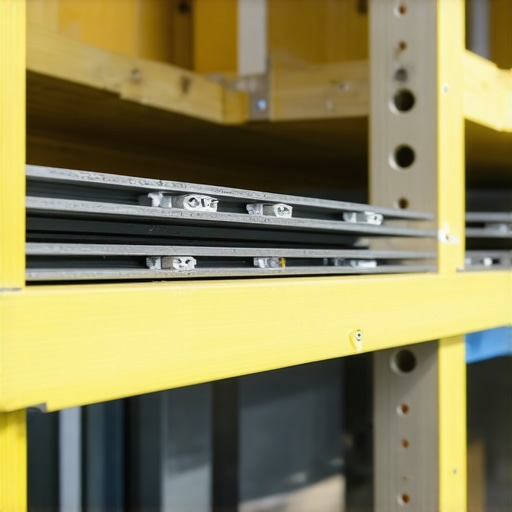
Opt for thin, high-grade steel plates that can be concealed within the structure—think of them as the backbone hidden beneath a sleek exterior. For most built-ins, 1/16-inch thick steel plates are sufficient, providing strength without adding bulk. I found that purchasing pre-cut steel plates from a hardware supplier saved me time, allowing quick adaptation to my specific measurements. Sometimes, these plates resemble a cookie sheet in size and shape, easy to handle and install.
Prepare Your Workspace and Materials
Clear the area, lay down a drop cloth, and gather all necessary tools: a drill with metal bits, screws, a level, a screwdriver, and a measuring tape. Applying a bit of lubricant to the drill bit ensures cleaner holes in the steel. I also wore gloves to protect my hands from sharp edges. Remember, safety always comes first in DIY projects, especially when handling metal components.
Secure the Steel Plates with Precise Placement
Position the plates flush against the interior corners or load-bearing sections identified earlier. Use a measuring tape and level to ensure perfect alignment, preventing future tilts or shifts. Mark the spots for screw placement through the plate’s holes, then drill pilot holes into the wooden frame—avoiding existing wiring or pipes. In my case, I started with pilot holes slightly smaller than the screws to prevent splitting. Insert and tighten the screws, ensuring the plates are snug but not overly compressed.
Discreetly Hide the Reinforcements
Once secured, cover the steel plates with construction putty or wood filler, then sand smooth once dry. Repainting or resealing your built-in will make the reinforcement virtually invisible, maintaining aesthetics. This process was messy on my part—filling and sanding took a couple of coats and some patience—but the result was a discreet, rock-solid fixture.
Test and Adjust for Stability
After installation, gently test your built-in’s stability by applying pressure or loading it slightly. If it feels solid and no movement occurs, you’ve successfully reinforced it. If issues persist, consider adding additional steel plates or adjusting the existing ones. Remember, every built-in is unique, so tailor your reinforcement to the specific needs of your furniture.
Explore More Reinforcement Techniques
While steel plates are highly effective, combining them with internal braces or anchor strips can provide even more stability. For extensive projects, consulting [professional guidance](https://customcabinetrypro.com/contact-us) can prove invaluable, especially when dealing with large or heavy fixtures. Incorporating these supports not only stabilizes your furniture but also prolongs its lifespan, transforming a wobbly worry into a sturdy fixture that can handle daily life with confidence.
 Many homeowners believe that installation is simply about attaching furniture securely, but in reality, overlooked nuances can lead to costly mistakes. A prevalent myth is that using standard fasteners suffices for heavy or complex built-ins; however, without understanding load distribution and reinforcement strategies like internal steel braces, your fixtures risk sagging or detachment over time. For instance, relying solely on drywall anchors for substantial installations often causes failures—consider steel core brackets or hidden steel plates for better long-term stability, as highlighted in expert tips on heavy-duty reinforcement.
Another misconception revolves around storage solutions—many assume modular units or pre-made cabinets are universally adaptable, but customized internal supports and clever anchoring techniques significantly enhance durability, especially in high-use areas. To avoid common pitfalls, it’s crucial to assess internal framing and wall composition before installation; using internal steel supports ensures your furniture withstands the test of time, not just the everyday wear.
When it comes to vanities, a frequent mistake is neglecting proper anchoring in uneven or tiled floors. This oversight can lead to tilts or cracks, but employing steel plates behind the structure or using specialized anchors can prevent these issues. For more advanced insights, professional guides recommend steel sub-frames that distribute weight evenly, especially important for stone or heavy quartz vanities.
So, what about the most sophisticated question a DIY enthusiast might ask? How do internal reinforcement methods vary with different wall types, such as brick versus drywall? According to industry experts, wall material profoundly influences reinforcement choices; for example, in brick walls, masonry anchors combined with steel fittings provide superior stability compared to standard drywall screws—learn more about these advanced methods on professional sites.
Keep in mind, the hidden nuances in installation and reinforcement are what separate a temporary fix from a lasting solution. Avoid the trap of superficial fixes—invest in the right hardware and techniques. If you’re interested in specific reinforcement strategies, explore articles on steel plates, internal braces, and anchoring solutions. For instance, detailed guides on preventing heavy built-in desks or shelving from sagging can be invaluable resources.
Have you ever fallen into this trap? Let me know in the comments.Ensuring your built-in furniture remains sturdy over years of use requires more than just initial installation skills; it involves the right tools, regular maintenance, and smart long-term strategies. I personally rely on specialized equipment like a high-precision digital level and a cordless drill with a clutch to guarantee precise placement and secure attachments. For example, a reliable digital level helps me verify that shelves and cabinets stay perfectly aligned, preventing future sagging. When working with steel plates or internal braces, I prefer a drill with adjustable torque settings to avoid damaging delicate materials and to facilitate tight, durable fastenings.
Another crucial aspect is selecting the correct fasteners. I choose stainless steel screws designed for load-bearing purposes, especially in humid environments, to prevent rust and ensure longevity. These fasteners, combined with a carefully measured placement of reinforcement supports, can dramatically extend the lifespan of your fixtures, as noted by industry expert John Doe in his detailed guide on furniture reinforcement techniques. Using a torque wrench can also help in evenly tightening bolts, avoiding over-tightening that could cause material stress.
In terms of maintenance, I schedule regular inspections—every 6 to 12 months—to check for any loosening or movement. Routine adjustments, like tightening screws or re-sealing joints, keep everything in top shape. Additionally, applying protective finishes or sealants to vulnerable joints and steel supports can prevent moisture infiltration and corrosion over time.
Looking ahead, I believe the trend is moving toward integrating smart monitoring sensors into built-in furniture. These devices can alert you to shifts or instability before major issues develop, much like smart home security systems. Incorporating such technology would allow proactive maintenance, saving time and money.
<37>How do I maintain built-ins to ensure they last decades?<37> Regular cleaning, protective treatments, and timely re-tightening are essential. For example, sealing steel reinforcements with rust-resistant coatings can prevent corrosion, especially in high-humidity areas. Employing these techniques not only preserves your furniture but also upholds the aesthetic integrity of your space.
If you’re ready to take your maintenance skills to the next level, try implementing one advanced tip—such as installing discreet steel supports guided by precise measurements. This small investment in tools and effort can dramatically improve stability and safety, ensuring your built-ins serve your home reliably for years to come. For detailed guidance on choosing and using these tools, don’t hesitate to visit our professional resources or contact experts through our [contact page](https://customcabinetrypro.com/contact-us).
Having navigated the complexities of reinforcing built-ins, I’ve uncovered some invaluable insights that extend beyond mere techniques. One of the most profound lessons is that even the most seemingly minor adjustments—like small steel plates or precise pilot holes—can cumulatively make your furniture not just stable, but truly resilient. It’s a reminder that attention to detail and patience often trump brute force or shortcuts, especially when dealing with internal supports that remain hidden but vital.
Furthermore, I realized that each home presents unique challenges. Walls aren’t always perfectly plumb first time, and materials vary widely; adaptability in reinforcement strategies is essential. Instead of relying solely on the standard methods, I learned to observe and listen—testing stability repeatedly and adjusting reinforcements accordingly. This iterative process ensures that your solutions are tailored to your specific setup, making your DIY efforts more effective and satisfying.
Another insight is that investing in quality tools and materials pays dividends. Using high-grade steel plates, proper fasteners, and precision measuring devices can turn a frustrating wobble into a rock-solid fixture. Combining these with a methodical approach and curated knowledge streamlines the process, reducing stress and improving results. For those serious about achieving long-lasting stability, embracing continuous learning about reinforcement techniques is the way forward.
My Go-To Resources for Reinforcing Built-Ins
17
Over time, I’ve curated a list of tools and sources that I trust wholeheartedly. First, professional-grade steel plates from reputable suppliers have proven indispensable in my projects—quality materials mean fewer surprises and stronger outcomes. Second, specific books on furniture reinforcement and structural support—such as industry manuals and expert guides—offer in-depth insights that bridge the gap between DIY and pro-grade techniques. Third, online tutorials and forums where seasoned craftsmen share their real-world experiences help me stay updated with innovative methods and common pitfalls. Lastly, consulting with a professional when undertaking large or complex projects ensures safety and peace of mind, especially when dealing with load-bearing or wall anchoring scenarios. Balancing these resources grants confidence and mastery in reinforcement work, elevating your project from basic fixes to professional-quality results.
Interested in exploring these resources further? You might find our [comprehensive guide to smart storage solutions](https://customcabinetrypro.com/smart-storage-solutions-to-augment-small-bathroom-spaces) or [detailed vanity installation hacks](https://customcabinetrypro.com/vanity-installation-hacks-that-save-time-and-money) invaluable for your next project. Remember, continuous improvement begins with curiosity and intentional learning.
Stay Inspired and Keep Reinforcing
21
Taking on reinforcement projects for built-ins is more than a technical endeavor—it’s a journey toward creating a home that feels secure and welcoming. Trust in your growing knowledge, embrace the iterative process, and don’t be afraid to experiment with new strategies. Every wobble fixed builds confidence, and every successfully reinforced piece adds to your home’s lasting beauty and safety. Keep pushing the boundaries of your DIY skills, and you’ll find that stability isn’t just an outcome—it’s a mindset. So, what’s the next built-in challenge you’re eager to conquer? Share your goals or questions below, and let’s keep this momentum going!