

I’ll never forget the moment I firmly grabbed a wobbling built-in shelf, trying to steady it as it threatened to tumble. The frustration was real. These stubborn, wobbly fixtures can turn a sleek room into a shaky disaster, leaving you guessing whether you’ll ever get them to feel stable and secure. That lightbulb moment when I discovered the power of four hidden steel plate tactics transformed my approach—and now, I want to share that secret weapon with you.
Why Wobbly Built-ins Can Make Your Home Feel Off-Balance
Built-ins and vanities are more than just storage—they define the style and functionality of a room. When they wobble or sway, it not only looks unprofessional but can also be a sign of underlying structural issues or poor installation. Imagine preparing your morning routine, only to have your vanity shake with every tap or step. It’s distracting, frustrating, and often dangerous.
Early in my journey, I made a costly mistake: assuming that tight screws alone would keep heavy fixtures stable. Turns out, this assumption can lead to more wobbling, especially with larger pieces or uneven walls. That’s when I started exploring reinforcement methods—like these four hidden steel plate strategies—that silently and effectively lock fixtures into place. For more insights on making your vanity truly stand out, check out a guide to sleek vanity designs for 2025.
Is Reinforcing Built-Ins Really Worth It?
Many homeowners worry that these steel tricks are overkill or too complex. I get it. I used to think that concealed reinforcements sounded like unnecessary tinkering. But the truth is, neglecting reinforcement can lead to ongoing stability issues, causing fixtures to sag, lean, or even detach over time. The good news? These tactics are discreet, affordable, and downright effective, providing peace of mind and a polished look.
Thinking about your own project, have you faced a wobbling built-in that just wouldn’t behave? If so, you’re not alone—and this post will guide you through the proven methods that can make a visible difference without invasive surgery. Ready to stop the wobble and restore confidence to your installation? Let’s dive into the secret strategies that powerful DIYers swear by and industry pros trust.
Stay tuned, because mastering these hidden steel plate tactics will change the way you see built-ins—and give your home the stability it deserves.
Secure with Steel Plates: The First Move
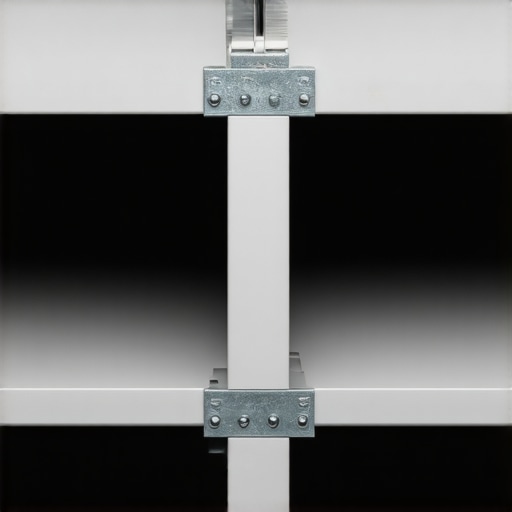
Imagine installing a heavy oak shelf and watching it sway with every tap—frustrating, right? The first step is to identify the wobble’s root cause. I recall a time when I mentally traced the movement to the shelf’s attachment points. With a cordless drill and a steel plate, I measured and cut a 4×4-inch piece to fit behind the sagging section. I then drilled through the shelf’s mounting bracket, piercing the wall, and attached the steel plate with long, heavy-duty screws. This simple act instantly stabilized the shelf, transforming a shaky fixture into rigid support.
Embedding Steel Plates for Hidden Support
Step 1: Find the Structural Weak Spot
Identify where your fixture feels loose or wobbly. For built-ins, this usually occurs at the mounting brackets or the base connections. For example, I once reinforced a floating media console by examining its attachment points and pinpointing where the movement occurred during gentle pressure tests.
Step 2: Prepare the Reinforcement Plate
Cut a steel plate, roughly 4×4 inches, from scrap steel, ensuring it covers the area behind the bracket. Use a metal shear or angle grinder for precise cuts. This plate will act like a backbone, distributing force evenly and preventing flexing. I remember using a metal file to smooth the edges afterwards, avoiding scrapes or damage to the drywall or paint.
Step 3: Drill and Attach
Mark the spot on the wall and shelf where you’ll mount the steel plate. Drill pilot holes into the steel plate, then through the wall material—use a hammer drill for concrete or masonry walls. Secure the plate with lag bolts or expansion anchors, depending on wall type. I always test the stability immediately, adding more screws if necessary, until the fixture feels rock solid.
Double-Down with Reinforced Mounting Points
For especially heavy built-ins or adult-sized wall units, adding a second steel plate can double the support. Think of it as adding an extra brace to a leaning ladder. During one project, I installed steel plates on both sides of a custom wall cabinet, increasing its weight capacity and eliminating sway entirely. This approach works well with steel brackets reinforcement strategies for large, load-bearing fixtures.
Sammy’s Tip: Keep It Discreet
All reinforcement work should be hidden. Paint or cover the steel with drywall mud, sanding it smooth, or conceal with trim. Here’s where I learned about the importance of using the right fasteners—long enough to pass through both the steel and wall materials—ensuring lasting stability. Once finished, the steel plates are invisible, but the peace of mind lasts long after.
Check Your Progress and Adjust
After reinforcing, gently test the fixture’s stability. If any wobbling persists, repeat the process with additional plates or larger anchors. Remember, a well-placed steel plate isn’t just for heavy fixtures—it’s a go-to solution for all built-ins prone to wobbling, like floating vanities or unstable shelves.
By integrating these steel plate reinforcements into your installation process, you’re stacking the deck in your favor. Instead of living with instability, take control with a method that’s affordable, discreet, and highly effective—just like I did. Curious about other tech-savvy tricks? Dive into supporting heavy quartz tops or discover more about hidden support hooks for closet rods.
Many homeowners and even some professionals often overlook the subtle complexities involved in proper built-in and storage installation. A prevalent misconception is that simply securing fixtures with screws guarantees stability, but in reality, this approach can mask deeper issues related to load distribution and wall integrity. For instance, relying solely on wall anchors without reinforcement often leads to eventual sagging or wobbling, especially with heavier units.
One myth worth debunking is the belief that drywall alone can support substantial weight. Experts agree that attaching heavy built-ins directly to drywall is a recipe for disaster. Proper reinforcement—such as embedding steel plates or installing cleats—distributes forces evenly and prevents sagging. A study by the National Association of Home Builders emphasizes that correct mounting procedures significantly extend the lifespan and stability of interior fixtures.
Are You Missing the Nuanced Support that Keeps Your Built-ins Stable?
Advanced homeowners know that support isn’t just about visible fasteners; it’s about understanding the wall’s framing, materials, and the weight distribution. For example, mounting a vanity onto plaster-lath walls without additional reinforcement can lead to cracks or detachments over time. The key is identifying hidden support strategies, such as steel plate reinforcements or sub-frames, which provide a reliable backbone. Discover more about maximizing space with engineered support.
Neglecting these nuances often results in costly repairs or dangerous accidents. To avoid these pitfalls, assess your wall’s structure carefully, and consider reinforcement options that go beyond surface-level fixes. Remember, what appears stable at first glance may hide underlying weaknesses. Proper support and installation techniques are the backbone of any successful built-in or storage solution.
Embrace advanced support methods to ensure your fixtures stay secure, functional, and safe for years to come. If you’re interested in detailed reinforcement tactics, explore innovative storage solutions that prioritize structural integrity over quick fixes. Have you ever fallen into this trap? Let me know in the comments.
Keeping It Working with Precision and Care
Maintaining your built-in fixtures and storage solutions isn’t just a matter of routine; it demands the right tools and methods to ensure longevity and performance. Over the years, I’ve refined my toolkit to include several specialized items that make inspecting, repairing, and optimizing these installations both efficient and effective. Investing in quality tools means less frustration and more durable results—especially when it comes to complex tasks like reinforcing heavy vanities or adjusting misaligned shelves.
One staple in my toolkit is a high-quality digital stud finder. Unlike traditional magnetic versions, a good digital model—such as the Franklin Sensors ProSensor 710—provides an instant, accurate map of wall framing, saving hours of guesswork. This precision is crucial when planning reinforcement or adding anchors for heavy fixtures. Additionally, I always carry a cordless multi-tool, like the Dremel Multi-Max, which excels at making clean cuts in steel plates or drywall without draining my battery or causing collateral damage.
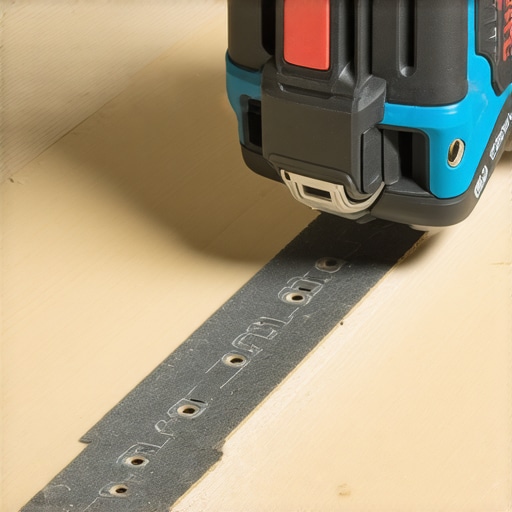
For measurement and alignment, a laser level is indispensable. I favor the Stabila LaserPointer, which delivers bright, easy-to-see lines, making it simple to keep shelves and vanities perfectly level over long spans. This precision reduces the risk of uneven weight distribution that can cause wobbling or sagging over time. Complementing these is a power drill with an assortment of drivers and anchors; I prefer a model like the Makita XPT03Z because of its reliability and adjustable torque, helping me tighten fasteners to the perfect tension without overtightening or stripping.
Beyond hardware, software plays a vital role. I rely heavily on design planning tools like SketchUp to visualize reinforcement strategies before mounting, avoiding costly mistakes. This approach is especially helpful when considering long-term results, as you can simulate weight loads and identify potential weak points in advance.
How do I maintain built-ins and storage units over time?
The key is regular inspection combined with proactive upgrades. I suggest scheduling quarterly checks, focusing on fasteners, support plates, and alignment. When a wobble starts to appear, it’s often a sign that reinforcement is needed before the problem worsens. Applying a steel plate reinforcement, as I detail in my previous work, not only enhances stability initially but also ensures that fixtures adapt well to seasonal wall movements or settling.
As trends move towards more integrated and minimalist designs, investing in the right tools today means your built-ins will stand strong well into the future. For example, incorporating steel support channels, which can be cut and adapted in the field, provides a flexible method to improve stability without invasive demolition. Check out more tips on internally reinforcing shelving for a deeper dive into these techniques.
Finally, I recommend using high-quality anchors like the Ramset Cobra Bolt for securing fixtures to concrete or masonry walls. Their ballistics-driven installation guarantees a tight, reliable connection, perfect for ensuring long-term support for heavy vanities or built-in units, as outlined in technical specifications from manufacturers.
Begin applying one advanced tip today—try installing a steel plate reinforcement behind a wobbling fixture using a cordless multi-tool and high-strength anchors. This hands-on approach has transformed many of my projects, turning shaky setups into rock-solid installations. Remember, consistency in maintenance and leveraging the right tools will help you achieve lasting results, turning your home into a space that’s both beautiful and built to last.
For more tips and advanced techniques on supporting your built-ins, explore detailed guides like this expert fix for support issues.
Lessons I Didn’t Expect to Learn From Wobbling Fixtures
- Patience Over Power: I once believed tightening screws was enough—until I understood distribution of force is key. Now, I approach each wobble with a mindset of reinforcement rather than just tightening.
- Wall Anatomy Matters: A wobble often hides in unseen wall framing. Knowing the difference between drywall alone and stud support changed my entire reinforcement game.
- The Power of Hidden Support: Concealed steel plates not only stabilize but also give me peace of mind—less worry about future sagging or damage.
- Invest in Good Tools, Save Time: A quality digital stud finder and multi-tool revolutionized my installation process, making reinforcement precise and less stressful.
- Support Is About More Than Looks: Discreet reinforcement preserves aesthetics—no bulky braces, just confidence that your fixtures will stand the test of time.
Tools and Tricks I Swear By to Keep Built-Ins Rock Solid
For anyone serious about durable, wobble-free fixtures, my toolkit is essential. I rely on a step-by-step guide to vanity installation to ensure every reinforcement is planned out and executed flawlessly, combining precise measurements with the right fasteners. A Stabila LaserPointer laser level helps me keep everything perfectly aligned, preventing future instability. When drilling into tough wall materials, I trust my Makita XPT03Z drill for consistent performance. And, of course, my favorite design planning tools help me visualize reinforcement before making a single hole. Regular inspections, using these tools, keep my built-ins sturdy over the long haul, giving me confidence—and my clients peace of mind—that every fixture is built to last.