

Have you ever stood in front of your built-in bookshelves, only to notice a slow, unsettling sag in the middle? It’s a frustrating sight, especially when those shelves hold your favorite books or cherished collectibles. I remember the first time I saw a prominent bend creeping across mine—immediately, I felt a mix of disappointment and worry. Could I fix it? Would I need to start over? That moment was an eye-opener for me about the importance of internal support systems in shelving design.
Why Sagging Shelves Can Turn Your Dream Storage into a Nightmare
Built-in shelves are often seen as the perfect blend of practicality and aesthetic appeal. But if they sag, they lose their charm—and their function. The problem? Over time, unsupported or poorly reinforced shelves bow under the weight of books, decorative items, or even kitchenware. Sagging not only looks shabby; it can cause items to fall and break, creating safety hazards and more repairs than you’d bargain for. Plus, once the shelves start to bend, it’s a silent sign that your storage solution might be jeopardizing your home’s look and integrity.
Is Reinforcing Shelves with Internal Braces Worth the Effort?
Early in my DIY journey, I made a common mistake—ignoring internal support in favor of quick, superficial fixes. I assumed that thicker shelves or stronger brackets alone would do the trick. Big mistake. That oversight led to more sagging and a wobbly feeling every time I reached for a book. What I learned quickly is that internal braces distribute weight evenly and provide the structural support needed, ensuring your shelves stay upright for years. And trust me, this fix isn’t as daunting as it sounds. If you’re tired of battling sagging shelves, I’ll show you how internal braces can be your secret weapon.
Did facing sagging shelves resonate with your own experience? You might be surprised to learn that a simple internal reinforcement can make all the difference. Ready to transform your shelves into a sturdy, attractive feature? Keep reading—I’ll guide you through the practical steps to reinforce your built-ins and keep them looking sharp for years to come. For more innovative storage ideas, don’t forget to check out built-in storage strategies.
Assess Your Shelving Support System
Begin by evaluating your shelves to identify the extent of sagging and the current support methods. Remove items from the sagging shelf, then inspect how it’s attached to the wall and the condition of existing brackets or supports. I once faced a stubborn sag in a built-in shelf, and removing the shelf revealed compromised drywall anchors, which explained the wobbliness.
Choose Appropriate Internal Braces
Select the Right Material
Opt for steel angle brackets or sturdy wooden cleats, depending on your aesthetic and load requirements. For heavy books, steel provides stronger support. I used galvanized steel L-brackets in my project, which offered excellent reinforcement and minimal visibility.
Determine Placement
Mark the ideal locations for braces underneath the shelf, ensuring they distribute weight evenly. Place brackets near the center and towards support points to prevent buckling. During my fix, I measured carefully and installed braces at 16-inch intervals, aligning with wall studs for maximum support.
Install Internal Supports Securely
Locate Wall Studs
Use a stud finder to locate wall studs behind the drywall. Securing supports to studs significantly increases stability. I made sure to mark stud locations before drilling to avoid hitting pipes or wires.
Attach Brackets or Cleats
Drill pilot holes into the wall at marked locations, then secure brackets with heavy-duty screws. Ensure the screws penetrate at least 2.5 inches into the stud for hold strength. During my installation, I used a power drill and quality anchors, which simplified the process and resulted in a solid mount.
Secure the Shelf to Braces
Once brackets or cleats are in place, set the shelf on top and screw it down using appropriate fasteners. For wooden shelves, pre-drill holes to prevent splitting. I found that countersinking screws created a flush finish, making the fix nearly invisible.
Test and Fine-Tune the Reinforcement
Replace items on the shelf and gently apply pressure near the edges. Observe for wobbling or sagging. If needed, add extra supports or tighten screws. I regularly checked my shelves after initial installation, and the reinforcement held firm even with heavy books.
Maintain Your Support System
Periodically inspect the supports for loosening or damage, especially after moving or loading shelves heavily. Tighten screws and replace any compromised brackets promptly. This ongoing maintenance prolongs the shelf’s lifespan and keeps your items safe.
By systematically reinforcing your built-in shelves with internal braces anchored to wall studs, you transform unstable storage into a reliable feature. With patience and accurate installation, sagging shelves become a thing of the past, restoring both function and aesthetic appeal to your space. For more tips on maximizing space and support options, visit built-in storage ideas.
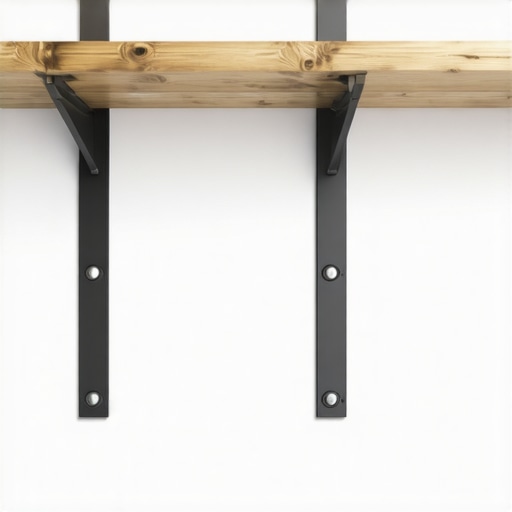 When it comes to storage solutions, many homeowners and even professionals fall prey to misconceptions that can compromise the effectiveness and longevity of their projects. One common belief is that choosing a trendy design automatically guarantees functionality. In reality, a stylish built-in or vanity must be paired with proper support structures and installation techniques. For example, many assume that attaching shelves solely to drywall provides sufficient support, but studies show that wall anchors alone often fail under heavy loads, leading to sagging or damage (source: support failures in shelving).
Why Do Enthusiasts Still Overlook Reinforced Support?
One trap is neglecting internal reinforcements, such as steel frames or properly secured cleats. This oversight stems from a superficial understanding that brackets or adhesive alone will suffice, which is simply false. Reinforcement not only prevents sagging but also extends the lifespan of your built-ins, especially when handling heavy or uneven loads. Advanced techniques include anchoring supports directly to wall studs and integrating steel stiffeners, which are often overlooked in DIY projects but crucial for professional-grade durability. As experts suggest, integrating reinforced internal framing can reduce long-term repair costs and improve safety (see internal steel framing).
Are Vanities Worth Customizing? The Hidden Nuance
Many think that off-the-shelf vanities are sufficient, but this ignores the nuanced benefits of customization. Standard models rarely account for plumbing offsets, uneven wall surfaces, or aesthetic nuances. A significant pitfall is ignoring the importance of precise measurements and support placement, which can cause countertops to crack or drawers to misalign over time. Custom vanities, designed with expert attention to these detailed considerations, ensure a seamless fit and reliable support, especially when integrating features like built-in plumbing or heating elements. Furthermore, investing in custom solutions can harmonize with the overall interior design, seamlessly blending function with style. To achieve this, consulting specialists with experience in flawless vanilla installation is invaluable. Want to stay ahead of trends in vanity design? Check out top vanity trends for 2025.
Have you ever fallen into this trap? Let me know in the comments!
Ensuring your built-in storage solutions and vanities remain functional and aesthetically pleasing over time requires more than just initial installation; it demands a dedicated approach to maintenance and the right set of tools. Over the years, I’ve refined my toolkit to include specific equipment and software that make upkeep a breeze, helping me catch issues early before they escalate into costly repairs.
Invest in Quality Inspection Tools
One of my go-to tools is a digital stud finder with deep scanning capabilities. Unlike basic models, my preferred device can detect wall studs up to 1.5 inches deep, which is crucial for securing heavy supports like internal steel braces in built-ins. I personally use the Bosch D-tect 150 because it combines radar technology with an easy-to-read display, enabling me to precisely locate support points and avoid pipes or wiring. Regularly scanning supports for shifts or damage ensures long-term stability and prevents sudden collapses.
Use Proper Fasteners and Power Tools
Choosing the right fasteners is vital. I always opt for high-grade, galvanized steel lag bolts when anchoring supports into wall studs, especially for load-bearing applications. To make the process efficient, I rely on a cordless impact driver with a brushless motor—my DeWalt DCF887—instead of manual screwdrivers. This tool provides torque consistency and saves time during multiple install sessions, reducing fatigue and ensuring secure fastening over repeated maintenance tasks.
Leverage Software for Planning and Monitoring
For those expanding their storage or supporting high-traffic vanities, I recommend using design software like SketchUp. It aids in visualizing reinforcement placements and simulating load distribution, which minimizes trial-and-error. Additionally, using monitoring dashboards like Google Nest or Ring cameras to periodically observe your install areas can alert you to subtle shifts or damage that warrant attention. Predictive maintenance enables you to schedule interventions proactively, extending the lifespan of your investment.
Establish a Routine Maintenance Schedule
Creating a checklist for regular inspections is essential. Every six months, I check all support brackets, screws, and anchors, tightening any loose fasteners. Inspect for signs of wear or damage in concealed areas—often where hidden steel framing or cleats are installed—I use my flashlight and mirror to peek behind panels carefully. This proactive approach prevents sagging and ensures safety, avoiding emergencies that could arise from unnoticed deterioration.
How do I maintain built-in and vanity support systems over time?
Keeping your storage solutions in prime condition involves a combination of proper tools, routine checks, and leveraging technology. Incorporate the use of professional-grade fasteners, impact drivers, and precise support-location tools like advanced stud finders. For ongoing monitoring, smart security cameras serve as silent sentinels, providing peace of mind. Adopting this disciplined maintenance regimen sets the stage for years of dependable performance, especially as trends move towards more customized and complex installations. For detailed, step-by-step procedures, visit vanity installation hacks.
Try integrating a high-performance impact driver into your routine maintenance—it’s a game-changer for fast, secure repairs that prevent long-term issues. For expert support or tailored advice, don’t hesitate to reach out through our contact page.
Remember, long-term success isn’t accidental. It’s built on the right tools and consistent care, ensuring your built-ins and vanities stand firm for years to come.
Reflecting on my journey with built-in storage, I’ve learned that the most crucial lessons often come from mistakes—like underestimating the importance of internal reinforcement or rushing installation without measuring properly. One revelation? Even small additions, such as steel supports or strategic bracing, can dramatically increase shelf longevity and safety. Over time, I’ve realized that investing in quality tools and taking the time to plan support placement pays dividends in durability and peace of mind. The biggest lightbulb moment? That supporting heavy shelves isn’t just about materials—it’s about understanding load distribution, wall structure, and future maintenance needs, which can save you from costly repairs down the road.