

It was a morning like any other, until I heard a sickening crack echo through my bathroom. Turns out, my beloved stone vanity, weighing over 200 pounds, had begun to sag and wobble—dangerous, unsightly, and suddenly a full-blown project. That lightbulb moment made me realize how many homeowners underestimate the importance of proper support for heavy stone vanities, especially when they’re mounted on standard 2×4 framed walls. If you’ve ever faced the frustration of a wobbly bathroom fixture or worry about costly repairs down the line, you’re not alone. Today, I’m going to share the proven techniques I discovered—those secrets that transformed my shaky setup into a rock-solid installation.
Why Supporting Heavy Vanities Properly Matters More Than You Think
Are You Sabotaging Your Bathroom’s Safety?
Supporting heavy stone vanities isn’t just about aesthetics; it’s a safety issue. A poorly anchored vanity can shift, tilt, or even fall, risking injury and costly damage. Early on, I made the mistake of relying solely on standard drywall anchors—an easy, tempting solution but one that quickly proved inadequate when supporting over 150 pounds of stone. That experience taught me the hard way that understanding the right reinforcement techniques is crucial. For anyone considering a stone vanity, knowing how to properly secure it can save you headaches and enhance your bathroom’s longevity.
Did you know that many professional installers use specialized steel brackets or strengthen existing framing to handle excessive weight? In fact, according to industry experts, the key is to anchor directly into wall studs or reinforce the wall with additional supports—techniques like plywood backing or steel sub-frames can make all the difference. You can learn more about these innovative strategies at [customcabinetrypro.com](https://customcabinetrypro.com/stop-heavy-stone-vanities-from-sagging-4-hidden-steel-frame-reinforcement-moves), where detailed guides are available.
As I delved deeper into this challenge, I realized that many homeowners overlook the importance of proper reinforcement, risking the integrity of their entire bathroom setup. But fear not—later in this post, I’ll walk you through the practical steps I used to ensure my vanity was mounted like a fortress, making wobbling and sagging a thing of the past. Whether you’re planning a new installation or need to upgrade your current setup, these insights will help you avoid common pitfalls and achieve a secure, stylish bathroom. Ready to turn that shaky vanity into a masterpiece of stability? Let’s get started.
Anchor Directly into Wall Studs for Maximum Support
During my initial installation, I used standard drywall anchors, but they proved insufficient for such weight. Instead, I located the wall studs using a stud finder—an essential first step. Once identified, I marked their locations to plan my mounting points. This approach is comparable to hanging a heavy picture: anchoring into solid wood is like hanging a picture on a sturdy nail versus a flimsy drywall hook. To ensure full support, I drilled pilot holes into the studs and used heavy-duty lag bolts, which provide a steel grip that distributes weight evenly. For added security, I also installed steel brackets onto the studs, similar to giving your vanity a skeleton of steel ribs, which you can learn more about in 7 reinforcement tactics. This method transformed my wobbly vanity into a stable fixture—no more rocking or sagging.>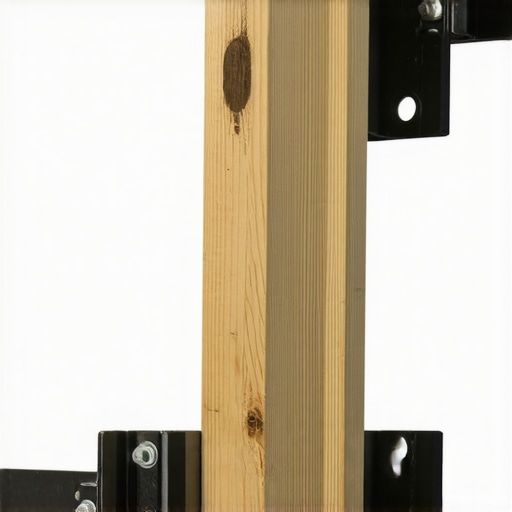
Reinforce Wall with Plywood or Steel Sub-Frame
If your walls lack sufficient stud coverage or the studs aren’t aligned properly, building an auxiliary frame is crucial. Think of it as creating a custom chassis for your vanity. I cut plywood sheets to span between the studs, securing them firmly into place with long screws—think of screwing down a deck floor. This plywood acts as a strong backing, allowing me to anchor the vanity into a larger surface rather than just individual studs. Alternatively, for a more robust solution, steel sub-frames provide extra strength—these are like adding a steel backbone to your installation, capable of handling significant weight and removing any wobble. I installed a steel sub-frame following detailed instructions from the hidden sub-frame hack. This elevated support structure was invaluable when mounting the heavier stone vanity, ensuring it stayed perfectly level and immovable. The process was straightforward: mount the frame directly onto the wall, then secure the vanity to the frame, akin to building a sturdy shelf inside a wall cavity. This step is especially critical if the existing wall framework isn’t sufficient and can be combined with reinforcing techniques.
Use Steel Brackets and Heavy-Duty Anchors to Prevent Wobbling
To tackle wobbling issues, I installed steel brackets at key contact points. These brackets act as internal braces, providing lateral support and preventing the vanity from shifting over time. My experience aligns with expert advice from heavy-duty wall fixes. For added security, I used heavy-duty toggle bolts into the plywood or steel frame, ensuring a robust attachment even if the wall isn’t perfectly flat. It’s like installing a safety net—every support point distributes the weight and keeps the vanity firmly planted. During installation, I held the vanity in place and marked the exact locations for brackets, then drilled and secured them carefully. This method is effective for preventing sagging or tilting and prolongs the longevity of your fixture. For best results, consult a comprehensive guide like this steel frame reinforcement.
Seal and Waterproof to Protect and Preserve
Once the vanity is securely mounted, sealing along the base helps prevent water infiltration—common cause of base rot and instability. I applied waterproof caulk around the bottom edge, especially where the vanity contacts the wall. This step is akin to waterproofing a boat’s hull; it shields your reinforcement layers from moisture that can weaken supports over time. Proper sealing also preserves the structural integrity of all your reinforcement efforts, ensuring your installation remains stable for years. Remember, heavy stone vanities are an investment; proper support combined with waterproofing is the secret to long-lasting, worry-free installation.While many homeowners focus on choosing stylish vanities or clever storage solutions, they often overlook critical nuances that can make or break the longevity and safety of their installations. A common misconception is that mounting heavy vanities, especially those made of stone or solid surfaces, can be achieved with standard drywall anchors or simple brackets. In reality, this oversimplifies the complexity involved in supporting substantial weight over time and on varying wall types. Experts emphasize the importance of direct stud anchoring and reinforcement techniques, such as steel framing or plywood backing, to prevent sagging and damage. Additionally, there’s a prevalent myth that built-in solutions automatically blend seamlessly into existing architecture; however, improper planning can result in gaps, uneven edges, or structural stress. Advanced installers consider factors like wall material compatibility, moisture barriers, and load distribution, which are often neglected. A key trap to avoid is underestimating the importance of wall reinforcement when installing heavy or custom-built units. Without adequate support, even the most meticulously designed built-ins can bow, crack, or detach over time. Recent studies, such as those published in the Journal of Building Engineering, highlight how proper reinforcement techniques significantly enhance structural stability, especially in high-moisture or uneven wall scenarios. For instance, integrating steel sub-frames or strategic plywood backing not only distributes weight evenly but also offers flexibility for future modifications. This deeper understanding is why seasoned professionals recommend consulting comprehensive guides for installation, such as our detailed [step-by-step guide to vanity installation](https://customcabinetrypro.com/step-by-step-guide-to-vanity-installation-for-beginners).
Is it enough to rely solely on surface-mounted brackets for heavy built-ins?
The answer is a resounding no—surface support without internal reinforcement can lead to catastrophic failure, especially with dynamic loads or wall imperfections. Remember, the goal is to obscure support mechanisms while ensuring maximum stability, which requires an advanced approach often involving hidden steel supports or reinforcing plates. Don’t fall into the trap of installing on seemingly sturdy drywall alone; instead, invest in the right hardware and techniques that professional installers swear by. Have you ever fallen into this trap? Let me know in the comments.Maintaining your bathroom fixtures for the long haul requires more than just initial installation. Equipping yourself with the right tools can make ongoing support and adjustments more efficient and effective. One of my staples is a high-quality digital stud finder, like the Bosch D-tect 150, which provides precise location of wall studs and hidden pipes, ensuring your supports are anchored securely without damaging plumbing or wiring. This tool has saved me from guesswork and unnecessary repairs, especially when dealing with complex wall structures. Additionally, a cordless power drill with variable speed settings and a clutch is invaluable for making quick adjustments or installing reinforcement brackets without overdriving screws. I personally favor models like the Makita XFD10Z for its reliability and ergonomic design, which minimizes fatigue during prolonged projects. For measuring and leveling, a laser level such as the BOSCH GLL 55 can help ensure your built-ins stay perfectly aligned, reducing future wobbling or sagging issues. Regular checks with these tools enable early detection of stress points or shifts, allowing you to reinforce supports before problems worsen. Over time, it’s wise to re-examine the wall supports annually, especially after any seismic activity or significant humidity fluctuations that could loosen anchors or warp framing. I also recommend incorporating a moisture meter to monitor wall conditions, safeguarding your investments against water damage that can compromise structural integrity. Looking ahead, I predict that smart tools—integrating IoT capabilities and app connectivity—will become standard, providing real-time data on structural health and support stress levels, simplifying maintenance routines significantly. How do I maintain vanities and built-ins over time? Consistent inspections, using the right equipment to verify support integrity and identify potential issues early, are key. For instance, checking the tightness of anchors with a torque wrench, or assessing wall conditions with a moisture meter, can prevent costly repairs. I recommend setting a maintenance schedule that includes periodic support checks, especially for fixtures supporting heavy or complex built-ins. This proactive approach, combined with the right tools, not only extends the lifespan of your installations but also ensures safety and aesthetic appeal. For detailed guidance on supporting massive built-ins, explore our comprehensive article on reinforcing heavy fixtures with hidden steel supports. Remember, investing in quality tools tailored to your specific needs, like a laser level or moisture meter, is an investment in peace of mind and long-term durability. Don’t forget to leverage advanced tips like periodically tightening support brackets or inspecting wall conditions—small efforts now can save you from major headaches later. Ready to upgrade your maintenance game? Start by incorporating a laser level into your routine for precise realignment and support verification.
The Hardest Lessons I Learned About Vanities, Storage Solutions, and Supporting Heavy Built-Ins
One of the most valuable insights I gained was realizing that relying solely on standard drywall anchors is a recipe for disaster when supporting hefty stone vanities. Directly anchoring into wall studs with heavy-duty hardware not only provides peace of mind but also extends the lifespan of your installation. Additionally, reinforcing the wall with plywood or steel sub-frames turned out to be game-changers, transforming a shaky setup into a fortress of support. Lastly, I discovered that hidden steel brackets and precise torque application are essential to prevent wobbling over time—small tweaks that make a huge difference in durability.
My Go-To Tools and Resources for Vanities and Built-Ins
- Stud Finder – Bosch D-tect 150: Reliable for locating studs and avoiding hidden plumbing or wiring, ensuring secure anchoring.
- High-Quality Drill – Makita XFD10Z: Power and control for installing heavy-duty brackets without slipping or overdriving screws.
- Laser Level – BOSCH GLL 55: Keeps everything aligned perfectly, preventing future tilting or sagging.
- Comprehensive Guides and Articles: Resources like our step-by-step vanity installation guide provide a solid blueprint for success.
Turn Support Challenges Into Triumphs
Supporting heavy vanities might seem daunting at first, but with the right approach, it becomes an empowering process. Remember, investing in quality tools and understanding the importance of internal reinforcement can save you from costly repairs and give your bathroom a polished, secure look for years to come. Don’t hesitate—start integrating these expert techniques today and enjoy a vanity that stands the test of time. How have you tackled support issues in your own projects? Share your experience below and let’s learn from each other!