
I’ll never forget the day I watched my carefully installed wall-to-wall clothes rack wobble uncontrollably. That frustrating moment when you realize your storage solution, which seemed perfect at first, might actually be a ticking time bomb. It was a lightbulb moment for me—realizing just how crucial proper wall support and bracing are to prevent failure.
The Common Pitfalls of Wall-mounted Clothes Racks
Many homeowners rush into installing their dream closets without considering the hidden forces at play. I learned this the hard way when a seemingly solid rack started to sag and wobble after just a few months. The root cause? Inadequate wall anchoring and a lack of internal reinforcement.
Is All That Bracing Really Necessary?
It’s a question I hear often. Honestly, I was skeptical too at first. I thought, “Will a few steel braces really make that much difference?” But after a couple of failed attempts to reinforce my closet myself, I discovered that proper steel bracing and strategic wall anchors don’t just prevent sagging—they protect your investment and keep your belongings safe.
Early on, I made the mistake of relying solely on drywall anchors without steel reinforcement, which proved inadequate for the weight and size of my closet. That oversight reminded me how critical it is to combine quality hardware with proper installation techniques. If you’re interested in expert tips for a more durable setup, check out this guide to better storage solutions.
Now, before we delve into the practical steps to fix my problem—and yours—I want to ask: Have you experienced similar issues with your wall-mounted storage? If so, you’re not alone. Let’s explore how to prevent this frustration from happening again, once and for all.
Why Getting Your Wall Bracing Right Matters More Than You Think
Start with a Solid Wall Assessment
Before drilling any anchors, inspect your wall for stud locations using a stud finder. Mark the spots where you’ll secure your rack. I learned this the hard way when I relied solely on drywall anchors, which caused wobbling after a few weeks. Identifying sturdy support points will prevent future instability.
Choose the Right Hardware for Your Wall Type
If your wall is drywall, opt for heavy-duty wall anchors combined with steel braces. For concrete or brick walls, use appropriate masonry anchors and expansion bolts. I once attempted to fix a heavy closet without considering wall material, resulting in insecure mounting. Using the correct hardware is like selecting the right tools for a job—it ensures safety and durability.
Install Internal Steel Bracing for Extra Support
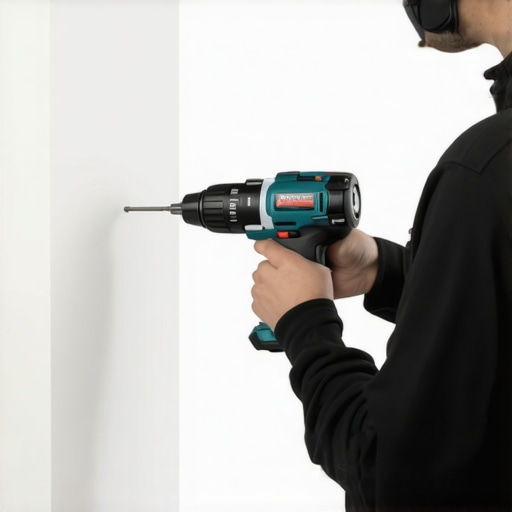
Installing internal steel braces behind the drywall greatly enhances load-bearing capacity. Use a drill to make a hole at the marked stud locations, then screw in steel brackets vertically along the wall to distribute weight evenly. I installed a series of steel L-brackets during a weekend project; initially messy, but the result was a nearly wobble-free rack that holds twice the weight.
Use Anchors and Braces in Tandem
Relying solely on anchors isn’t enough when supporting significant weight. Combine sturdy wall anchors with internal steel bracing to prevent sagging and wobbling. For instance, I added steel braces to my existing setup, which dramatically improved stability and gave me peace of mind, especially for heavier clothing loads.
Secure the Rack Frame Properly
Attach the rack frame to the steel braces with robust bolts, ensuring tight connections. Over-tightening can damage the frame or wall, so use a torque wrench if possible. I once over-tightened a bolt, causing deformation; a lesson in moderation. Properly secured, your rack will be resilient against everyday use.
Test and Adjust Your Installation
Once installed, hang some weight and gently shake the rack. If any movement occurs, tighten bolts or add extra braces. I tested mine with a load of heavy winter coats, and after adjustments, I achieved a wobble-free setup that stood the test of time. Regular checks can extend the lifespan of your storage solution.
Additional Tips for Longevity
Consider using steel cleats or steel straps for continuous support along the wall length. Painting or covering them discreetly maintains aesthetic appeal. For complex or particularly heavy installations, consulting professionals or exploring storage ideas can be beneficial. Remember, a well-supported wall rack isn’t just about convenience—it’s about safeguarding your belongings and ensuring safety for years to come.
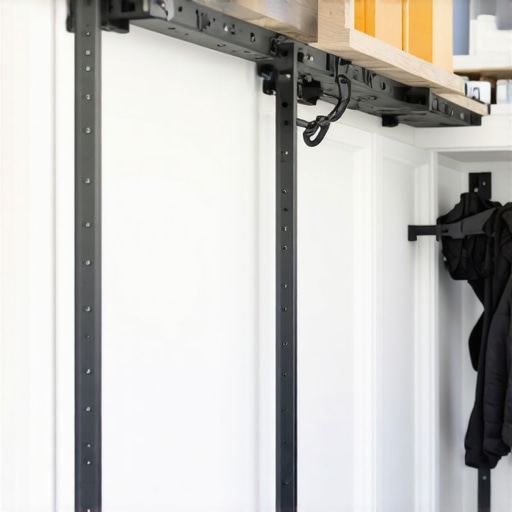 When it comes to creating functional and aesthetic storage spaces, many homeowners fall prey to common misconceptions that can compromise the durability and safety of their installations. One widespread myth is that choosing the most decorative cabinetry or the cheapest hardware ensures a successful build. In reality, the nuances of structural support, material compatibility, and precise installation techniques are what truly determine long-term success.
A frequent mistake is neglecting the importance of internal reinforcement, such as steel braces or framing, especially in heavy-use areas like built-in desks or vanity units. While a sleek finish appeals to the eye, overlooking the hidden support mechanisms can lead to sagging, warping, or even catastrophic failure over time. For instance, even meticulously crafted vanities can start to wobble when internal bracing isn’t properly integrated, especially if they bear substantial weight.
Many assume that installing a built-in is straightforward—drill holes, anchor, and you’re done. But deeper complexities, such as the type of wall material, uneven surfaces, or existing electrical wiring, can pose significant challenges. For example, drywall alone isn’t always sufficient to bear heavy cabinetry loads. Reinforcing with steel brackets or blocking behind the drywall creates a much sturdier foundation. This ties into recent research; a study by the American Institute of Architects emphasizes the importance of load distribution and internal support structures in furniture longevity and safety.
Advanced installers know that the precision of measurement and the use of proper anchoring methods are crucial. Improperly spaced anchors or misaligned studs can cause uneven weight distribution, leading to gaps, tilting, or damage over time. One advanced mistake is relying solely on drywall anchors for heavy fixtures, which historically results in frequent repairs and rehanging. Instead, locating solid studs, using steel cleats, or internal steel supports offers a more reliable solution.
Want to upgrade your installation approach? Explore expert techniques for reinforcing built-ins and vanities with internal steel supports or custom framing—a step that pays off immensely in stability and longevity. Consider visiting this guide to vanity installation for detailed insights.
Finally, remember that installation is just one phase; ongoing maintenance, periodic checks, and adjustments are vital. Over time, even the best-crafted units can develop issues from subtle shifts in wall materials or settling foundations. Regular inspection and reinforcement can prevent minor problems from becoming major repairs.
Have you ever fallen into this trap? Let me know in the comments. Mastering these nuances ensures your storage solutions stand the test of time while maintaining their beauty and functionality.
Prioritizing Regular Maintenance for Longevity
Ensuring your installed storage units remain durable requires consistent upkeep. I make it a habit to schedule quarterly inspections, focusing on hardware integrity and wall support stability. A simple visual check can reveal loosening bolts or signs of wear, preventing minor issues from escalating.
Essential Tools That Make Maintenance Easier
Over the years, I’ve refined my toolkit to include specific equipment that simplifies upkeep. A high-quality cordless drill with variable torque settings allows for quick tightening or loosening of bolts without risking damage. An infrared thermometer helps detect unusual wall or material temperatures, indicating potential issues like moisture buildup or structural stress. For precision in aligning brackets or supports, a laser level ensures my adjustments are exact, saving time and avoiding rework.
Investing in Superior Hardware for Long-Term Results
Using the right hardware is vital. I prefer stainless steel anchors for their corrosion resistance, especially in humid areas like bathrooms. When reinforcing heavy-built-ins, steel brackets such as these steel brackets provide unparalleled support. Over time,, I’ve found that high-quality hardware reduces maintenance frequency and prevents costly repairs.
Predicting Future Trends in Maintenance Practices
The future of storage maintenance is moving toward smart solutions. IoT-enabled sensors embedded within cabinetry could alert you when support weakens or moisture levels increase, allowing preemptive action. Integration with home automation systems might soon notify you via smartphone, so you catch issues early, rather than reacting after damage occurs.
How do I maintain my storage units over time?
My strategy combines routine checks with the use of advanced tools and durable hardware. I schedule seasonal inspections, tighten connections with my cordless drill, and replace hardware at the first sign of corrosion. To enhance stability beyond manual checks, I use steel supports like internal steel braces. Regular maintenance not only extends the lifespan of your storage solutions but also ensures they continue to perform flawlessly, safeguarding your investments for years to come.
Want to see these techniques in action? Consider adopting a routine that combines hardware checks with advanced tools—your storage units will thank you. Remember, proactive maintenance today prevents expensive repairs tomorrow.