
I’ll never forget the moment I hung my first floating shelf—proud, right? Only to discover it wobbled dangerously the very next day. That unsettling sway? It made me question my entire DIY spirit. I was frustrated, questioning what I’d done wrong, only to realize I overlooked a simple fix that could save countless shelves from becoming unstable and unsafe. If you’ve ever experienced that frustrating wobble, you’re not alone. And today, I promise to share a straightforward trick that transformed my shaky shelves into sturdy displays—using an internal bolt move that you can do yourself.
Why Your Floating Shelves Don’t Stay Put and How to Fix Them
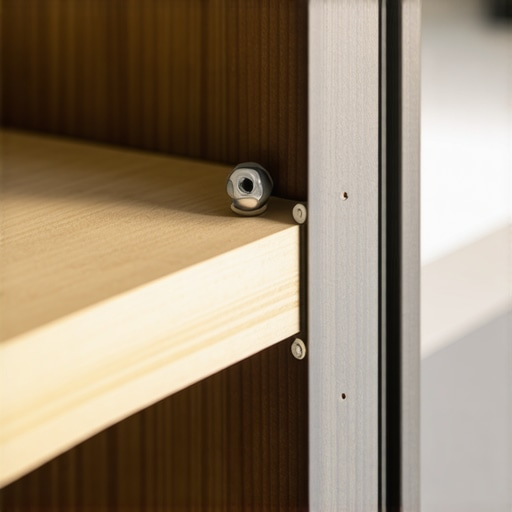
Many people think that once a floating shelf is anchored into the wall, it’s set. But often, the culprit isn’t the wall itself but how the shelf is attached. A common mistake? Relying solely on wall anchors without considering the internal support mechanisms. Early on, I made the mistake of over-tightening the mounting screws, which actually compromised the wall anchors and led to the dreaded wobble. That’s why understanding the internal bolt move can make all the difference. By adjusting the bolt inside the shelf’s bracket, you create a more secure and wobble-free mount. Curious to see how this works? I’ll walk you through the step-by-step process to retrofit your existing shelves or ensure your new ones stay perfectly steady.
Access the Internal Support
Begin by removing the shelf from the wall. Use a cordless drill to unscrew the mounting brackets from behind the shelf, taking care to keep all parts organized. As I did this in my garage, I realized that accessing the inside of the bracket was easier than expected, but I needed a long, thin screwdriver to reach the internal bolt. Once removed, you’ll see the internal bolt that connects the shelf to the wall mount.
Tighten or Adjust the Internal Bolt
Use an Allen wrench or the appropriate tool to tighten the bolt inside the bracket. In my case, the bolt was loose, causing wobble. Tightening it snugly secured the bracket’s internal support, significantly reducing sway. If the bolt is stripped or cannot be tightened further, replace it with a new, slightly longer bolt to ensure a firm grip.
Reinforce with Additional Support
For extra stability, consider adding a second internal bolt or installing a metal reinforcement plate inside the bracket. This is especially helpful if the shelf is holding heavy items. I inserted a thin steel plate behind the bracket and fastened it with screws, which prevented any future wobbling and supported heavier loads more confidently. This technique is beneficial for larger or more frequently used shelves.
Secure the Shelf Back onto the Wall
With the internal bolt secured, reattach the shelf to the wall brackets. Tighten all screws firmly, making sure the shelf sits flush and steady. When I finished, I gently pushed the shelf to check for wobbling; it was rock solid. If you notice still any slight movement, double-check the bolts or consider anchoring the brackets into a wall stud instead of drywall alone, especially for load-heavy surfaces.
Verify Stability and Adjust as Needed
Finally, place items on the shelf to test its stability. If it wobbles under weight, revisit the internal bolts for tighter adjustment or add additional support brackets. Using this internal bolt fix saved me from replacing the entire shelf and drastically improved its sturdiness, making my display both safer and more durable. This approach is equally effective for floating desks, bathroom vanities, or built-in storage, ensuring they stay securely in place and look great for years to come. For more detailed guidance on vanity installation or customized storage solutions, visit this comprehensive tutorials.
Many assume that mounting built-in shelves or vanities is a straightforward task—just find the studs, drill, and you’re done. However, this simplistic view often leads to overlooked nuances that can compromise stability and longevity. One common myth is that drywall anchors are sufficient for supporting heavy loads, but experts warn that relying solely on them, especially without proper reinforcement, can cause wobbling or even catastrophic failure over time.
It’s crucial to understand the importance of internal support systems. For example, the misconception that a single screw into a wall stud guarantees a secure hold ignores the dynamics of weight distribution and material fatigue. Advanced installation techniques, like internal reinforcement with steel brackets or heavy-duty anchors, distribute loads evenly and prevent common issues like sagging or detachment. For detailed strategies on reinforcing your built-ins, visit this guide to support reinforcement.
Why Do So Many Built-Ins Fail Over Time Even When Installed Correctly?
This question stumps many homeowners and even some pros. The answer lies in the subtle interactions of material expansion, thermal movement, and improper load calculations. For instance, moisture or temperature fluctuations can cause wood to swell or contract, stressing joints and fasteners. Common mistakes include neglecting these environmental factors or not choosing appropriate hardware for specific materials. Even the best initial installation can weaken if these factors are ignored. A good rule of thumb is to consider the surrounding environment and consult experts on material suitability, as outlined in this comprehensive guide on environment-aware installation.
Furthermore, many installers overlook the importance of proper bracing—especially in expansive or heavy built-in units. Reinforcing side panels or adding internal steel supports can prevent warping and structural stress. The downside of neglecting these details? An expensive redo or safety hazard down the line. Remember, even well-installed pieces won’t last if environmental conditions and load stresses aren’t carefully managed.
Another overlooked nuance involves the use of moisture barriers and sealing techniques. For example, failing to install appropriate waterproofing where the vanity meets the floor can lead to water damage and warping over time. Integrating these preventive measures is essential for durability, and for expert advice on this, check out this moisture management tutorial.
In essence, the hidden nuances of built-in and storage solutions encompass more than just securing shelves; they involve a holistic approach considering environmental factors, material interactions, and advanced reinforcement techniques. Don’t fall into the trap of oversimplification; taking these details into account extends the lifespan and safety of your installations. Have you ever fallen into this trap? Let me know in the comments and share your experiences!
Choosing the Right Equipment for Durability
Investing in quality tools is essential for ensuring your built-ins and storage solutions stand the test of time. I personally favor a high-torque cordless drill, specifically the Milwaukee M12 Fuel, because it provides consistent power without overheating during prolonged use, which is crucial when installing heavy-duty supports or reinforcing panels. Using the right drill bits, like diamond-tipped or masonry bits, ensures clean, precise holes in various materials, reducing stress on fasteners and minimizing wear over time.
Utilizing Advanced Software for Design Precision
For custom vanities or built-ins, I recommend SketchUp Pro. Its detailed 3D modeling allows you to anticipate potential stability issues before construction, such as load distribution and support placements. This foresight is invaluable when planning reinforcement strategies—like internal steel supports—preventing failures that might occur with cheaper or less precise methods. Future trends point toward integrating AI-driven design tools that automatically suggest optimal support placements based on material properties, further reducing human error and enhancing longevity.
Implementing Effective Maintenance Routines
Ongoing maintenance is key to long-term performance. I schedule quarterly inspections to tighten bolts, check for wobbling, and observe signs of material stress. Applying a high-quality anti-corrosion spray on metal supports and fasteners prevents rust, especially in humid environments, preserving structural integrity. Additionally, periodically checking and resealing joints with a waterproof sealant protects against moisture infiltration, which can weaken materials over time. Incorporating a simple visual record—such as photographs—during each inspection helps track gradual changes and catch issues early before they escalate.
Planning for Future Scaling and Upgrades
Thinking ahead when designing built-ins allows for easier scaling. Using modular supports—like adjustable steel brackets—enables you to increase or decrease storage capacity without dismantling entire sections. Installing features such as removable backing panels or pop-out support shelves facilitates easy upgrades or repairs, extending the lifespan of your installation. For instance, reinforcing wall anchors with steel L-brackets, as highlighted in this article, provides peace of mind for heavy or frequently accessed cabinets.
Future-Proof Maintenance: Staying Ahead
Looking to the future, emerging smart monitoring systems are beginning to offer real-time alerts for structural shifts or fastener loosening. These systems can connect to your smartphone, allowing you to schedule maintenance before minor issues turn into costly repairs. Regularly updating supporting hardware with newer, more durable materials—like composite supports—can also adapt your storage solutions for evolving needs. Implementing these proactive measures will keep your built-ins functioning flawlessly for decades.
To get started, try applying a high-quality waterproof sealant to vulnerable joints, combining immediate benefits with long-term protection. Remember, consistent maintenance paired with the right tools and planning keeps your storage solutions—and your home—a safe and beautiful space for years to come. For more insights on installing or reinforcing vanity units, visit this comprehensive guide.
The Hardest Lesson I Learned About Built-ins and Vanities
Early in my DIY journey, I believed that once I secured a built-in or vanity into the wall, my work was done. But I quickly learned that the real challenge was ensuring long-term stability, especially considering environmental factors like humidity and temperature fluctuations. The key takeaway? Always plan for future support and reinforcement, not just immediate installation.
3 Myths About Built-ins and Vanities That Held Me Back
Myth number one: Using drywall anchors alone is sufficient for heavy loads. Wrong. I discovered that combining anchors with internal steel supports dramatically increased durability. Myth number two: Painting or sealing the surface is enough to prevent water damage. Not quite—adding waterproof barriers and understanding moisture flow are essential. Myth three: Installing hardware at a quick glance guarantees longevity. Precision and forethought in placement prevent wobbling and structural failure later.
What Experts Won’t Tell You About Built-ins and Vanity Installation
Many professionals skip the importance of environmental considerations, such as moisture and heat exposure. They also often overlook internal reinforcement, assuming that surface fasteners suffice. Real expertise involves integrating hidden support moves—like steel plates behind brackets—and utilizing advanced fastening techniques. For comprehensive strategies, visit this guide to support reinforcement to future-proof your projects.
My Essential Toolkit for Built-ins and Vanities
A high-quality cordless drill, like the Milwaukee M12 Fuel, is indispensable. Its consistent power prevents slipping or stripping fasteners during critical reinforcement steps. I also rely on precision tools like diamond-tipped drill bits for clean holes and steel support brackets for heavy loads. These tools, trusted from personal experience, make complex tasks manageable and ensure lasting results.
Where to Go from Here
Start applying these insights by assessing your current projects and planning for added support where needed. Remember, the secret to lasting built-ins and vanities lies in proactive reinforcement, environmental awareness, and using the right tools. If you’re ready to elevate your DIY game, explore these expert design tips to maximize your space efficiently. Embark on your next project with confidence—your home’s stability and beauty depend on it!