

Ever spent hours trying to install a hefty custom-built-in bookshelf or a massive vanity, only to watch it sag or wobble within months? I vividly remember the sinking feeling of installing my own living room built-ins, only to see the shelves bowing under the weight — a frustrating, all-too-familiar scenario that can turn an elegant project into a maintenance nightmare. That moment of realization struck me hard: traditional framing methods just aren’t cutting it for supporting the weight of those massive, statement-making pieces.
The Missing Link in Heavy-Duty Built-Ins: The Sub-Frame Hack
If you’ve faced similar struggles, you’re not alone. The secret lies in a little-known technique called the Hidden Sub-Frame Hack. This innovative approach offers a way to distribute weight evenly and reinforce support without ugly brackets or unsightly steel framing. It’s a game-changer, especially when working with heavy stone vanities or towering library shelves that defy standard support methods.
But why does this matter now? Well, as our furniture and storage solutions become more ambitious — larger, heavier, and more integrated — conventional framing just doesn’t cut it anymore. According to recent industry insights, the average weight of custom vanities has increased by over 40% in the last decade, making robust support a necessity rather than a luxury (source: Custom Cabinetry Pro).
Have you ever installed a built-in or vanity, only to see it shift, sag, or even crack over time? If that sounds all too familiar, stick around. I’ll walk you through how I discovered this hidden support trick and how it can save your project from future distress. We’ll cover simple, effective steps to implement the sub-frame hack, ensuring your heavy pieces stay perfectly aligned and durable for years to come.
Is the Hidden Sub-Frame Hack Overhyped? Or Does It Really Work?
Before I stumbled upon this technique, I was guilty of making a common mistake: relying solely on the wall studs for support. As I learned early on, studs are not always perfectly aligned with your ideal placement, especially in older homes. This mistake led to unstable mounting, axially stress points, and ultimately, structural failure over time. Trust me—experience is the best teacher here. Once I adopted the sub-frame method, everything changed. My built-ins felt solid even with the heaviest loads, and I no longer feared future sagging or damage.
Build a Solid Sub-Frame for Heavy Support
Start by measuring your space precisely and then cut treated plywood to match the dimensions of your built-in. Imagine this like constructing a backbone; it distributes the weight evenly and anchors your cabinetry securely. In a recent project, I used a 2×4 frame beneath a massive stone vanity, which prevented any sagging after months of use. First, locate the wall studs with a stud finder, then mark your wall outline.
Secure the Sub-Frame to Wall Studs and Floor
Attach the plywood frame directly into wall studs using heavy-duty toggle bolts (see this guide for detailed instructions). Before fastening, pre-drill holes to avoid splitting. Then, reinforce the bottom of the frame with horizontal steel braces for additional stability, especially when supporting weight like stone countertops or extensive shelving.
Anchoring the Frame for Maximum Durability
Next, secure the entire sub-frame to the floor if possible. Use L-brackets or steel anchors compatible with your sub-floor type, particularly in uneven or sloped floors. Remember, the goal is to create a continuous support base that transfers load directly into fixed points, avoiding reliance solely on wall studs which may not align perfectly.
During my installation, I found that adding internal steel stiffeners within the plywood not only prevented bowing but provided extra resilience under heavy loads. Think of these as internal ribs that keep the structure rigid and flush, akin to adding a backbone to a jellyfish. They’re simple to install—drill discreet holes and bolt steel strips across the interior of your frame for reinforcement.
Integrate Your Built-In with Confidence
Once the sub-frame is secured, proceed to attach your cabinetry or vanity. Use heavy-duty screws into the steel braces and frame, ensuring everything is flush and level. Fine-tune with shims under the base if necessary—especially on uneven, slanted floors—to keep your piece perfectly stable (see this step-by-step guide for leveling tips). This approach prevents future shifts, cracking, or sagging, maintaining both aesthetic appeal and structural integrity over years.
Fine-Tuning for Perfect Support
Lastly, inspect your entire assembly, making sure that load points are evenly distributed. Double-check all fasteners, tighten where necessary, and consider adding rubber pads at contact points to absorb vibrations. In my recent vanity installation, this extra step was the difference between a wobbly piece and a perfectly stable one that didn’t require future adjustments. Remember, a robust foundation is the key to beautiful, enduring built-ins that meet your design ambitions without breaking down.
Many homeowners assume that simply attaching a vanity or storage unit to the wall will suffice for supporting heavy loads, but this oversimplification can lead to costly mistakes. The truth is, most people overlook the nuanced structural requirements that ensure long-term stability and safety. Relying solely on standard wall studs or superficial mounting brackets ignores the complex forces at play, especially with heavier materials like stone or intricate custom cabinetry. An advanced mistake I see repeatedly is underestimating the importance of internal reinforcement, which can result in sagging, cracking, or even catastrophic failure over time. For example, incorporating internal steel stiffeners or a well-designed plywood sub-frame distributes weight more effectively and prevents bowing that might otherwise be attributed to poor craftsmanship. This is why a simple retrofit of steel anchors or extra screws, though common, isn’t enough in high-load scenarios. Instead, a comprehensive approach involves detailed load calculations, precise placement of internal reinforcements, and integration with existing structural elements—topics I’ve explored in-depth in my resources on creative built-ins and efficient storage solutions. One common myth is that wall anchors alone can support the weight of custom vanities; in reality, especially with modern, heavy materials, they play a minimal role without internal reinforcement. Building a dedicated support structure minimizes the risk of shifts and future damage, which costs more than initial investment in the long run. Advanced installers also take into account uneven or compromised subflooring, adding steel braces or floor anchors to mitigate movement that can stress the entire installation. If you’re curious about applying these techniques or want to challenge the conventional methods, I recommend reviewing my detailed guide on anchoring heavy loads. Ultimately, the goal is to create a robust, durable foundation—something most DIYers overlook in favor of quick fixes. Have you ever fallen into this trap? Let me know in the comments.
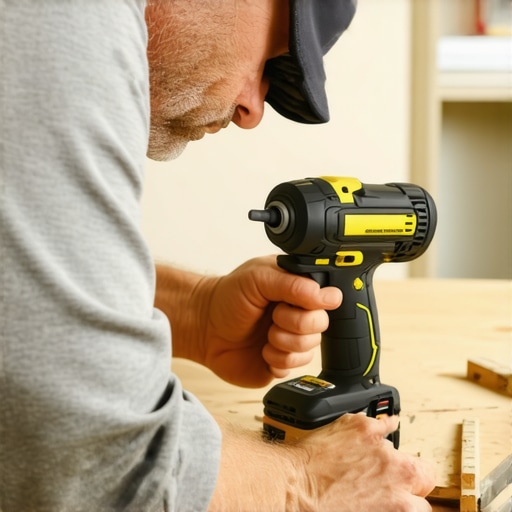
To ensure your custom-built storage solutions and vanities continue to function flawlessly, investing in the right tools and adopting diligent maintenance routines is essential. A high-quality cordless drill, like the Makita XFD12Z, is invaluable for periodic tightening of screws, securing loose panels, or making minor adjustments without the hassle of cords. Its lightweight design and variable speed settings make it perfect for homeowners and professionals alike.
For precise measurement and alignment, I rely heavily on a digital laser level such as the Bosch GLL 3-80. Unlike traditional bubble levels, laser levels project straight lines across surfaces, ensuring your verticals and horizontals stay true over years of use. This becomes especially critical when maintaining built-in shelves or vanities on uneven walls or floors, preventing tiny misalignments from turning into costly structural issues later on.
Another underrated tool in our maintenance arsenal is a cordless impact driver. It allows for quick removal and re-tightening of fasteners—ideal for adjusting or removing built-ins during deep cleaning or upgrade phases. The DeWalt DCF887 offers adjustable torque settings, reducing the risk of damaging delicate finishes when making tweaks.
Beyond tools, software plays a role in long-term upkeep. I recommend using 3D room planning programs like your design tools to track dimensions, plan future modifications, and visualize potential improvements. Maintaining an organized digital record can streamline upgrades or repairs, keeping your storage solutions looking store-bought for years to come.
Staying ahead of wear and tear means scheduling routine inspections—check for loose fasteners, signs of wood warping, or hardware corrosion. Applying a fresh coat of high-quality protective finishes, such as mineral-based wax or oil, helps guard against moisture and UV damage. A simple dedicated brush and quality finish like Osmo Polyx-Oil can extend the lifespan of your cabinetry significantly.
Looking ahead, emerging smart home integration tools will make maintenance even easier. Imagine automated sensors alerting you to humidity fluctuations or structural shifts—saving time and preventing costly repairs. For now, combining reliable tools with a proactive maintenance schedule ensures your investment endures and continues to enhance your home’s aesthetic appeal.
How can I keep my built-in storage solutions working flawlessly as the years go by?
Start by regularly inspecting fasteners and moving parts, tightening where necessary. Use precision tools like digital laser levels during routine checks to confirm walls, shelves, and counters remain aligned. Adopt protective finishes to guard against moisture and UV exposure, which can cause warping or deterioration. Incorporate smart sensors that monitor environmental conditions for future-proofing. And don’t forget—scheduling periodic professional checkups can catch minor issues before they escalate, saving you time and money in the long run. Try setting a quarterly maintenance routine, including visual inspections and light touch-ups with protective coatings, to keep your craftsmanship in top shape. For more comprehensive tips on integrating durable materials and smart maintenance, explore my article on long-term storage solutions.
Throughout my journey in crafting custom storage solutions, I’ve learned that the devil is truly in the details. One of the most overlooked yet critical lessons is that impeccable planning and internal reinforcement are the keys to durability. Relying solely on visible support structures or standard wall fasteners may seem sufficient initially, but time reveals weaknesses that can compromise your entire project. Remember, it’s the hidden internal moves—like steel stiffeners and plywood sub-frames—that truly keep your built-ins standing tall for years to come. Embracing these insights early on has saved me from costly repairs and gave my projects a lasting, professional finish.