

Ever installed a beautiful floating vanity only to find it wobbling after just a few weeks? Or worse, discovering it pulling away from the wall because the mounting just wasn’t strong enough? I’ve been there. I remember the lightbulb moment when, after a frustrating morning of readjusting and tightening, I realized I was missing a crucial piece: the hidden support rail.
Stability Woes That Led to My Discovery
It was supposed to be a quick update in my bathroom, but the vanity started to tilt and shake, making me second-guess the entire installation process. I soon learned that many homeowners face similar struggles—floating vanities seem sleek but can become a nightmare if not properly supported. The secret lies in a simple yet effective component I wish I knew earlier: the hidden support rail.
Why Is This Small Piece a Game Changer?
This isn’t just about stability; it’s about peace of mind. Proper support prevents damage, maintains the sleek look, and saves you from costly fixes down the line. According to recent studies, poorly mounted fixtures can cause structural issues that may cost thousands to repair (source: Home Improvement Research Institute). Once I integrated the support rail, my vanity’s firmness dramatically improved—no more wobbling, no more worries. If you’ve faced a similar problem or want to avoid it, understanding this little-known support solution can transform your DIY game.
Now, let’s dive into how exactly this support rail works and how you can easily install it in your space. Trust me, once you get the hang of this, you’ll wonder why everyone isn’t using it to secure their floating vanities. Ready to learn the secrets of flawless, stable installations? Keep reading!
Mounting the Support Rail Correctly
Start by measuring the width and height where the vanity will sit. Use a level to draw a straight horizontal line on the wall at the height you want your vanity. During my first attempt, I used a simple pencil and a basic level, but I found that a laser level made this step faster and more accurate. Align the support rail along this marked line, ensuring it runs parallel to the floor. Secure it with the appropriate anchors—toggle bolts or steel studs are ideal for heavy fixtures. When installing, I drilled small pilot holes into the wall to avoid splitting the drywall and to guide my screws precisely. This approach ensures the support rail bears the weight evenly. Follow this detailed guide for comprehensive steps on mounting. 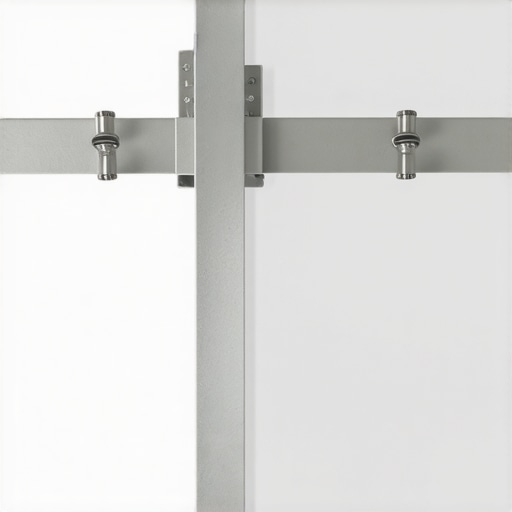
Anchoring the Vanity to the Support System
Once the support rail is secure, position your vanity against the wall. Place shims under the vanity to rest it level—you can use cardboard or thin wood shims to adjust for uneven floors. Before fixing the vanity, mark the mounting points on the back of the unit in relation to the support rail. I recommend pre-drilling holes into the vanity’s back panel to prevent splitting and make installation smoother. Use long screws, ideally stainless steel, to secure the vanity frame directly into the support rail and wall anchors. During my setup, I double-checked the level after each screw tightened. This process significantly reduces any wobbling or tilting over time. Proper anchoring like this prevents issues like pulling away from the wall or damage from daily use. For specific hardware options, consider checking these expert fixes.Many DIY enthusiasts believe that simply anchoring a vanity or built-in is enough to ensure long-term stability. However, this overlooks critical nuances, especially related to wall structure and material choice. A prevalent misconception is that drywall anchors alone can support heavy fixtures; in reality, they often fail under substantial weight, leading to damage or safety hazards. According to structural experts, integrating steel studs or reinforced framing significantly enhances load-bearing capacity, preventing costly repairs.
What are the sophisticated pitfalls experienced installers often miss?
One subtle mistake is neglecting the importance of cross-bracing behind wall panels, which can cause fixtures to wobble or sag over time. Proper internal support, such as steel brackets or hidden supports, distributes weight evenly and maintains alignment. For example, when mounting a floating vanity, relying solely on surface anchors can lead to instability, especially if the wall’s framing isn’t adequately addressed. It’s essential to verify the wall’s composition and reinforce it with appropriate backing. Moreover, many assume that all materials act similarly—yet, the difference between plywood backing and particleboard can determine the longevity of your installation. An expert from the Home Improvement Research Institute highlights that correct material selection and support strategy can increase fixture lifespan by years. For those planning complex built-ins or storage solutions, understanding these nuances can make the difference between a professional finish and frequent reassemblies. To explore advanced support options, check out built-in storage ideas that utilize reinforced framing techniques. Remember, cutting corners here can result in wobbling, pulling away, or even structural failure over time. Always assess your wall’s internal makeup before proceeding with heavy or built-in fixtures. Have you ever fallen into this trap? Let me know in the comments.
Once you’ve invested time and effort into a flawless installation, the next crucial step is long-term upkeep. Maintaining your built-ins, vanities, and storage solutions ensures they stay functional and visually appealing for years to come. To achieve this, leveraging the right tools and adopting systematic maintenance routines is key. Over time, dust accumulation, minor settling, or hardware wear can compromise stability—so proactive measures are essential.
Essential Tools for Ongoing Upkeep
My go-to toolkit starts with a high-quality cordless drill, specifically the DeWalt DCD791D2. I prefer this because of its ergonomic design, variable speed, and powerful battery life, making future adjustments or hardware replacements seamless. For cleaning, a microfiber electrical duster like the Dust-Off Electric Duster is indispensable, as it effortlessly removes dust from tight corners without disturbing delicate finishes. To check for alignment or stability issues, I rely on a digital level such as the Stabila 37424 Digital Level. Its precision helps identify minor shifts that could lead to long-term problems if left untreated.
When it comes to tightening hardware, I recommend a torque screwdriver like the Wiha 26191. Unlike standard screwdrivers, it prevents over-tightening, which could strip threads or crack materials. For larger built-in systems or heavy vanities, a stud finder such as the Bosch Digital Multi-Scanner helps locate internal supports or hidden framing, ensuring any adjustments respect the original structural integrity.
Strategies for Effective Maintenance
Establish a routine check-up schedule—every six months is ideal—where you examine all mounted fixtures for wobbling, loosened hardware, or misalignment. Regularly cleaning dust and debris prevents accumulated grime from affecting hardware and finishes. Additionally, inspecting support brackets or steel studs, especially in high-use areas, allows you to catch potential issues early.
Another tip is to re-tighten or replace screws and anchors as needed. Over time, materials like drywall or particleboard may weaken, and replacing worn anchors with heavy-duty options, such as reinforced anchors, can restore stability. It’s also wise to periodically evaluate the condition of support rails and braces. If any signs of bending or corrosion appear, proactive replacement will prevent larger failures later.
Where Do You See Future Trends in Maintenance?
Advancements in smart home technology hint at future solutions like sensor-based stability monitors that alert you to shifts before visible signs appear. Integrating IoT-enabled hardware could revolutionize how we care for built-ins, transforming maintenance from a reactive to a proactive process. Staying informed about innovations like these, found in industry reports and tech reviews, will help you keep your installations working flawlessly.
Start by trying out a power screwdriver with adjustable torque for your next hardware check—you’ll quickly notice how it prevents damage and saves time. Remember, a well-maintained space not only looks better but also prolongs the life of your investment. For more detailed guidance, don’t hesitate to reach out here.
Avoiding Common Pitfalls That Can Surprise You
One of the biggest mistakes I made early on was assuming that surface anchors alone could handle the weight of heavy fixtures like vanities or built-ins. It wasn’t until I experienced wobbling and damage that I realized internal support matters just as much as surface mounting. The lesson? Always verify the wall’s internal structure and reinforce it appropriately. Another key insight was underestimating the importance of proper material choice; drywall isn’t always enough for supporting heavy items, and neglecting this led to frustrating repairs. Finally, I learned that proactive planning—like installing support rails during initial construction—saves time and money down the line, rather than trying to fix issues after failure occurs.
Tools and Resources That Changed My Approach
My go-to toolkit now includes a comprehensive vanity installation guide, which provided me with step-by-step clarity. I trust my favorite storage solution videos for understanding optimal support placement. The steel brackets and hidden supports I now use have prevented many wobbling issues. Finally, I recommend consulting industry experts through detailed blogs and technical sheets available online—they’ve saved me from costly mistakes.
Your Next Step Towards Perfect Installations
Getting these support details right can dramatically improve the longevity and appearance of your built-ins and vanities. Whether you’re new to DIY or a seasoned pro, the key is to approach each project with a mindset inspired by continuous learning and attention to detail. Remember, every successful installation boosts your confidence and enhances your space’s beauty. If you’re ready to elevate your craftsmanship, dive into the resources mentioned and start planning your next project today. Don’t forget, the support you invest in now will reward you with years of reliable, stunning fixtures in your home.
What has been your biggest challenge when installing vanities or built-ins? Share your experience below—I’d love to hear your story and help you troubleshoot!
}#}#}**}#}**}#}**}#}**}#}**}#}**}#}**}#}**}#}**}#}**}#}**}#}**}#}**}#}**}#}**}#}**}#}**}#}**}#}**}#}**}#}**}#}**}#}**}#}**}#}**}#}**}#}**}#}**}#}**}#}**}#}**}#}**}#}**}#}**}#}**}#}**}#}**}#}**}#}**}#}**}#}**}#}**}#}**}#}**}#}**}#}**}#}**}#}**}#}**}#}**}#}**}#}**}#}**}#}**}#}**}#}**}#}**}#}**}#}**}#}**}#}**}#}**}#}**}#}**}#}**}#}**}#}**}#}**}#}**}#}**}#}**}#}**}#}**}#}**}#}**}#}**}#}**}#}**}#}**}#}**}#}**}#}**}#}**}#}**}#}**}#}**}#}**}#}**}#}**}#}**}#}**}#}**}#}**}#}**}#}**}#}**}#}**}#}**}#}**}#}**}#}**}#}**}#}**}#}**}#}**}#}**}#}**}#}**}#}**}#}**}#}**}#}**}#}**}#}**}#}**}#}**}#}**}#}**}#}**}#}**}#}**}#}**}#}**}#}**}#}**}#}**}#}**}#}**}#}**}#}**}#}**}#}**}#}**}#}**}#}**}#}**}#}**}#}**}#}**}#}**}#}**}#}**}#}**}#}**}#}**}#}**}#}**}#}**}#}**}#}**}#}**}#}**}#}**}#}**}#}**}#}**}#}**}#}**}#}**}#}**}#}**}#}**}#}**}#}**}#}**}#}**}#}**}#}**}#}**}#}**}#}**}#}**}#}**}#}**}#}**}#}**}#}**}#}**}#}**}#}**}#}**}#}**}#}**}#}**}#}**}#}**}#}**}#}**}#}**}#}**}#}**}#}**}#}**}#}**}#}**}#}**}#}**}#}**}#}**}#}**}#}**}#}**}#}**}#}**}#}**}#}**}#}**}#}**}#}**}#}**}#}**}#}**}#}**}#}**}#}**}#}**}#}**}#}**}#}**}#}**}#}**}#}**}#}**}#}**}#}**}#}**}#}**}#}**}#}**}#}**}#}**}#}**}#}**}#}**}#}**}#}**}#}**}#}**}#}**}#}**}#}**}#}**}#}**}#}**}#}**}#}**}#}**}#}**}#}**}#}**}#}**}#}**}#}**}#}**}#}**}#}**}#}**}#}**}#}**}#}**}#}**}#}**}#}**}#}**}#}**}#}**}#}**}#}**}#}**}#}**}#}**}#}**}#}**}#}**}#}**}#}**}#}**}#}**}#}**}#}**}#}**}#}**}#}**}#}**}#}**}#}**}#}**}#}**}#}**}#}**}#}**}#}**}#}**}#}**}#}**}#}**}#}**}#}**}#}**}#}**}#}**}#}**}#}**}#}**}#}**}#}**}#}**}#}**}#}**}#}**}#}**}#}**}#}**}#}**}#}**}#}**}#}**}#}**}#}**}#}**}#}**}#}**}#}**}#}**}#}**}#}**}#}**}#}**}#}**}#}**}#}**}#}**}#}**}#}**}#}**}#}**}#}**}#}**}#}**}#}**}#}**}#}**}#}**}#}**}#}**}#}**}#}**}#}**}#}**}#}**}#}**}#}**}#}**}#}**}#}**}#}**}#}**}#}**}#}**}#}**}#}**}#}**}#}**}#}**}#}**}#}**}#}**}#}**}#}**}#}**}#}**}#}**}#}**}#}**}#}**}#}**}#}**}#}**}#}**}#}**}#}**}#}**}#}**}#}**}#}**}#}**}#}**}#}**}#}**}#}**}#}**}#}**}#}**}#}**}#}**}#}**}#}**}#}**}#}**}#}**}#}**}#}**}#}**}#}**}#}**}#}**}#}**}#}**}#}**}#}**}#}**}#}**}#}**}#}**}#}**}#}**}#}**}#}**}#}**}#}**}#}**}#}**}#}**}#}**}#}**}#}**}#}**}#}**}#}**}#}**}#}**}#}**}#}**}#}**}#}**}#}**}#}**}#}**}#}**}#}**}#}**}#}**}#}**}#}**}#}**}#}**}#}**}#}**}#}**}#}**}#}**}#}**}#}**}#}**}#}**}#}**}#}**}#}**}#}**}#}**}#}**}#}**}#}**}#}**}#}**}#}**}#}**}#}**}#}**}#}**}#}**}#}**}#}**}#}**}#}**}#}**}#}**}#}**}#}**}#}**}#}**}#}**}#}**}#}**}#}**}#}**}#}**}#}**}#}**}#}**}#}**}#}**}#}**}#}**}#}**}#}**}#}**}#}**}#}**}#}**}#}**}#}**}#}**}#}**}#}**}#}**}#}**}#}**}#}**}#}**}#}**}#}**}#}**}#}**}#}**}#}**}#}**}#}**}#}**}#}**}#}**}#}**}#}**}#}**}#}**}#}**}#}**}#}**}#}**}#}**}#}**}#}**}#}**}#}**}#}**}#}**}#}**}#}**}#}**}#}**}#}**}#}**}#}**}#}**}#}**}#}**}#}**}#}**}#}**}#}**}#}**}#}**}#}**}#}**}#}**}#}**}#}**}#}**}#}**}#}**}#}**}#}**}#}**}#}**}#}**}#}**}#}**}#}**}#}**}#}**}#}**}#}**}#}**}#}**}#}**}#}**}#}**}#}**}#}**}#}**}#}**}#}**}#}**}#}**}#}**}#}**}#}**}#}**}#}**}#}**}#}**}#}**}#}**}#}**}#}**}#}**}#}**}#}**}#}**}#}**}#}**}#}**}#}**}#}**}#}**}#}**}#}**}#}**}#}**}#}**}#}**}#}**}#}**}#}**}#}**}#}**}#}**}#}**}#}**}#}**}#}**}#}**}#}**}#}**}#}**}#}**}#}**}#}**}#}**}#}**}#}**}#}**}#}**}#}**}#}**}#}**}#}**}#}**}#}**}#}**}#}**}#}**}#}**}#}**}#}**}#}**}#}**}#}**}#}**}#}**}#}**}#}**}#}**}#}**}#}**}#}**}#}**}#}**}#}**}#}**}#}**}#}**}#}**}#}**}#}**}#}**}#}**}#}**}#}**}#}**}#}**}#}**}#}**}#}**}#}**}#}**}#}**}#}**}#}**}#}**}#}**