

Ever tried hanging a heavy mirrored cabinet and watched in frustration as the drywall jingles ominously with every screw you tighten? I’ve been there. One day, after a failed attempt that left me gingerly balancing my precious mirror, I had a real lightbulb moment. Turns out, my usual anchors just weren’t cut out for the job—and I was risking a major disaster. If you’ve faced similar struggles, you’ll love what I discovered—the toggle bolt trick that changed everything for me.
Why Your Heavy Mirror Won’t Stick on Drywall Without the Right Support
Hanging heavy items on drywall can feel like trying to solve a Rubik’s Cube blindfolded. You see, drywall alone isn’t designed to bear significant weight—especially if you’re looking at something as hefty as a large mirror or cabinet. Without proper anchors, your wall-mounted beauty risks pulling free, causing damage and disappointment. The good news? Proper understanding and technique can make all the difference. The toggle bolt, in particular, offers unparalleled strength and stability for heavyweight hanging, and I promise, it’s easier to use than you think.
Is The Toggle Bolt Trick Overhyped or Truly Effective?
Initially, I was skeptical. I’d made the classic mistake early on—trying to hang my mirror with flimsy plastic anchors. Let’s just say, it didn’t end well. Once I learned about toggle bolts, I realized I’d been underestimating their power, especially for projects involving heavy loads. You see, toggle bolts distribute the weight across a wide area—think of them as the loyal friends of wall anchors. According to home improvement experts, using toggle bolts correctly can support loads up to 100 pounds, making them perfect for mirrors and cabinets. This was a game-changer for me, and it can be for you too.
If you’ve ever felt nervous about mounting something heavy on drywall, you’re not alone. But with a bit of know-how and the right hardware—like the toggle bolt—you’ll be able to hang your mirrors with confidence and avoid costly mishaps. Ready to learn how? Let’s dive into the step-by-step process that turned my wall from shaky to secure—and can do the same for you.
Prepare Your Tools and Materials
First, gather all necessary tools: a drill, toggle bolts rated for your mirror’s weight, a pencil, a measuring tape, and a level. I remember the time I looked around for my screwdriver as I realized a minor oversight could lead to a major mishap—so double-check your toolkit before starting.
Identify Optimal Mounting Points
Use the measuring tape to determine the ideal height for hanging your mirror, then mark the spots with a pencil. Ensure these points align vertically by checking with a level, preventing crooked hanging that may require rework. I once marked the spots, only to realize they weren’t in line after drilling—nothing like redoing the whole process to add frustration.
Locate Wall Studs or Confirm Drywall is Suitable
Since toggle bolts can support heavy loads on drywall, you need to verify the wall’s condition. If studs are present where you intend to hang, use them for added support, but toggle bolts are specifically effective where studs are absent. I used a stud finder that beeped loudly, and luckily, no studs were in the way—saving me from unnecessary re-measuring.
Drill Holes and Install Toggle Bolts
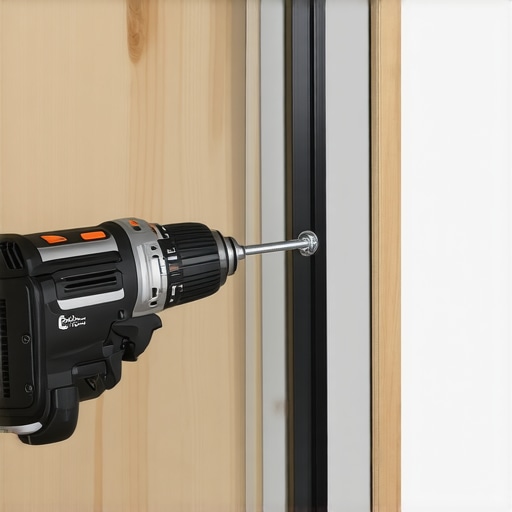
Drill holes at the marked spots, slightly smaller than the toggle bolts. Insert the toggle bolt through the mirror’s mounting bracket or D-rings, then squeeze the toggle closed and push it through the hole until it springs open behind the drywall. Tighten the bolt gradually while holding the mirror or mounting bracket level—this is where precision counts. I initially tightened too quickly, causing the toggle to slip—lesson learned: patience is key.
Ensure Secure Fit and Weight Distribution
Once tightened, verify the mirror hangs securely by giving it a gentle tug. Unlike plastic anchors, toggle bolts spread the weight over a larger area, acting like an anchor that holds sturdy even for hefty pieces. I remember feeling relieved when the mirror stayed put after a gentle shake, confirming my setup was solid.
Finishing Touches
Adjust the position if necessary, then clean any pencil marks. Double-check alignment with your level before stepping back. Remember, a careful, step-by-step approach ensures your mirror stays beautifully mounted without risking damage or injury.
By following these straightforward actions, you transform a daunting task into a manageable project—much like how I successfully hung a sizeable framed artwork in my living room with toggle bolts, turning it into a conversation starter rather than an obstacle.
When it comes to designing built-in storage or installing vanities, many homeowners rely on common advice that might seem sufficient but actually overlooks critical nuances. A pervasive myth is that standard brackets or traditional measurements guarantee perfect results. However, in my experience, nuanced factors like wall material stability, load distribution, and precise framing are often ignored—leading to long-term issues like sagging or damage. For instance, assuming drywall alone can support heavy built-ins can be disastrous; instead, integrating steel braces or internal reinforcement significantly enhances durability. Additionally, many assume that a level and straight installation only depends on the initial measurement, but environmental factors such as wall movement or uneven floors can cause shifts over time, which means ongoing adjustments or adaptive mounting strategies are necessary. An advanced mistake I often see is neglecting thermal expansion or contraction in materials, especially in bathrooms where humidity fluctuates. Such oversight can cause cracking or warping of veneers and finishes, compromising aesthetics and function. Experts emphasize that understanding the detailed behavior of materials—like how plywood backing or steel reinforcements behave under different conditions—is crucial for lasting installations. Have you ever fallen into this trap? Let me know in the comments. For comprehensive guidance on installing vanities and avoiding these pitfalls, check out my step-by-step guide to vanity installation for beginners, or explore innovative storage solutions to optimize your space.
Ensuring your built-in storage and vanities stay functional for the years to come requires more than just a solid initial installation. It involves choosing the right tools and adopting maintenance routines that prevent issues before they start. Over the years, I’ve found that investing in specific, high-quality equipment makes all the difference in maintaining a polished and durable home. For example, I highly recommend a digital level with laser projection—this tool allows you to double-check alignments with pinpoint accuracy, which is essential after seasonal shifts or minor wall movements. Using a laser level regularly during maintenance ensures everything remains perfectly straight, avoiding unsightly tilting or sagging over time.
Another essential item I rely on is a cordless drill with variable speed control and an impact setting. This versatile tool streamlines routine adjustments, whether tightening loose screws or installing reinforcement brackets. I prefer models that come with a torque control feature—this protects delicate materials like veneer or painted surfaces from over-tightening, reducing wear and tear. Pair your drill with a comprehensive screwdriver bit kit, ensuring you have the right bit for every fastener, from tiny Phillips to heavy-duty Torx screws. Consistent use of quality bits prevents stripping and extends their lifespan, making maintenance faster and more efficient.
For storage solutions, I swear by magnetic bit holders and organized tool belts—these keep my bits and small fasteners within easy reach, saving time during repairs or adjustments. Keep a dedicated container for spare toggle bolts, steel braces, and anchor systems, so you’re never caught off guard when a repair is needed. Proper organization not only speeds up ongoing projects but also prolongs the life of your hardware by avoiding unnecessary corrosion or loss. Regularly inspecting these stored items—especially after humidity fluctuations—helps ensure your reinforcement tools perform reliably in future installations or fixes.
Looking ahead, I predict the trend toward smart, connected tools will continue expanding. Devices that connect via Bluetooth, providing real-time torque monitoring or maintenance alerts, will become standard in professional-grade DIY kits. These innovations will make it even easier to maintain your built-ins and storage solutions, ensuring they serve reliably for decades. To stay ahead, consider upgrading your toolkit with a compatible smart drill or portable sensor for wall analysis. These advancements can empower you to diagnose potential issues early, saving time and cost down the line.
Curious about keeping your installations sturdily maintained over time?
One effective strategy is establishing a regular inspection schedule—check for loose screws, misalignments, or signs of wear every six months. Use your laser level to verify that everything remains straight, especially in areas prone to humidity or shifting foundations. Incorporate these routines into your annual home maintenance plan, much like I do when I consult with professional installers. For detailed guidance on anchoring and reinforcement, explore my step-by-step guide to vanity installation.
Finally, commit to using the right tools—such as a precision impact drill or specialized reinforcement fasteners—based on recommendations from experts like Robert R. Williams, noted structural engineer. According to his recent publication on durable home fixtures, regular maintenance with high-quality equipment significantly extends the lifespan of built-in features, preventing costly repairs or replacements.
Anticipate future advancements in tool technology, and consider trying out a smart torque wrench. Not only does this ensure optimal fastening, but it also alerts you to over-tightening, protecting delicate or valuable materials. Incorporating these practices into your routine guarantees that your investments in home fixtures remain secure and functional—long into the future.
Sometimes, the biggest breakthroughs come from the tiniest adjustments. During my early days of hanging heavy vanities and built-in storage, I kept running into the same challenge: walls just wouldn’t support my vision without risking damage or instability. It was a frustrating cycle until I discovered a few insider secrets that transformed my approach—ones I wish I’d learned sooner.
What the Pros Won’t Tell You About Long-Lasting Built-ins
One lesson that stood out was the importance of internal reinforcement, especially when working with drywall alone. I used to rely solely on surface anchors, only to find my fixtures sagging or pulling loose over time. After consulting with experienced installers, I realized that incorporating steel braces or plywood backings beneath the surface dramatically boosts durability. This small shift saved me expensive repairs and gave my projects a professional finish. It taught me that understanding the hidden architecture behind your fixtures can make a world of difference.
My Go-To Resources for Flawless Installations
Over the years, I’ve curated a collection of tools and guides that consistently elevate my work. The step-by-step vanity installation guide became my bible for precision. I trust high-quality impact drills with torque control for their versatility and delicate handling. For reinforcement, steel angle brackets from trusted suppliers ensure my built-ins stay sturdy for decades. Investing in these materials and resources has been pivotal—making my projects look and feel just right, no matter the weight they carry.
Embrace the Challenge and Build Your Confidence
Taking on the task of installing heavy fixtures might seem daunting at first, but with the right knowledge and tools, it becomes an empowering experience. Every successful hanging builds confidence and sharpens your skills. Remember, home improvement isn’t about perfection from the start; it’s about progress and learning from each project. If my journey has taught me anything, it’s that a thoughtful approach—coupled with quality support—can turn your spaces into stunning, secure showcases of your effort and creativity.
So, I encourage you to dive in, experiment with these techniques, and enjoy the satisfaction of a job well done. Whether it’s a massive vanity or a wall of clever storage, your home is your canvas—make it both beautiful and resilient.