

Ever found yourself anxiously balancing a stack of dishes or bathroom supplies on a corner cabinet shelf, only to watch it wobble and threaten to crash down? That frustrating moment when your carefully arranged storage becomes a shaky disaster is more common than you think. I remember the first time I experienced this — I was so proud of installing my new built-in corner unit, only to realize soon after that the shelves were leaning forward, threatening to spill everything. It was a real lightbulb moment for me. Turns out, a lot of us overlook the simple mechanics behind well-installed shelves and end up with this ongoing wobble or tip.
Getting to the Root of the Tipping Problem
Many folks assume that once shelves are installed, their job is done. But there’s a secret ingredient that often gets ignored: proper support and reinforcement. When shelves tip or wobble, it’s usually because the mounting isn’t strong enough to handle the weight or because the brackets aren’t aligned properly. Early on, I made the mistake of relying solely on basic brackets without considering steel reinforcements, which are a game changer for heavy or unevenly loaded shelves. That oversight caused my shelves to sag and tip over every time I added just a few extra items.
Have you ever experienced your corner shelves tipping over after only a few months? Or maybe you notice that they wobble whenever you put heavier items? You’re not alone. These are common issues caused by a mix of poor support, weak anchoring, or using brackets that aren’t rated for the load. A study by the Renovation Industry Association highlights that improperly supported shelving is a leading cause of household storage failures. So, the good news? Fixing this isn’t about starting over; it’s about reinforcing and supporting what’s already there.
If you’re tired of watching your shelves tilt every time you open the cabinet door, then stick around. The next steps will show you how to reinforce your corner shelves effectively, ensuring they’re sturdy enough for decades to come. Ready to stop the wobble and make your storage rock solid? Let’s dive into the practical fixes that will transform your corner space into a reliable storage powerhouse.
Secure the Mounting Points
Start by inspecting the existing brackets and wall anchors. Use a stud finder to locate solid wood studs behind the drywall; this provides the strongest support. Mark the exact locations for drilling, ensuring they align with the stud centers. When installing new brackets or reinforcing existing ones, opt for heavy-duty steel brackets and high-quality anchors designed for load-bearing applications, such as toggle bolts or sleeve anchors. In my own kitchen, I replaced flimsy plastic anchors with steel toggle bolts, which instantly prevented wobbles and increased weight capacity.
Introduce Internal Supports
Once the brackets are secure, add internal steel braces beneath the shelves, especially if they bear heavy items. These are like internal ribs in an aircraft wing—distributing weight more evenly and preventing sagging. I once installed steel angle brackets underneath my bathroom shelves, hidden behind the decor, which eliminated persistent sagging over months of use. To ensure proper fit, cut steel braces to match the width of the shelf and drill holes for mounting screws. Use a level to check for perfect horizontal alignment before tightening.
The Steel Plate Approach for Extra Reinforcement
This method is ideal for particularly long or heavy shelves. Attach steel plates at the mounting points using lag screws. The steel plates spread the load across a broader wall area, reducing stress on drywall alone. For a large media cabinet I built, I secured steel plates behind each mounting hole, which effectively prevented the shelf from tilting or pulling out over time. Remember to pre-drill holes to avoid wall material splitting and to countersink screws for a flush finish.
Address Wall Weaknesses
If your wall material isn’t sturdy—like drywall without studs or hollow block—add backing supports such as plywood panels secured to the studs or masonry anchors attached directly into brick or concrete. This step transforms a fragile surface into a reliable base. I once reinforced a sagging corner unit by screwing a plywood backing into the studs, which drastically improved stability. For detailed guidance on anchoring heavy fixtures in various wall types, check out this anchoring tutorial.
Final Checks and Adjustments
After reinforcement, use a level and a measuring tape to verify the shelves are perfectly horizontal and evenly supported. Apply shims if necessary to address minor imperfections in the wall or shelf surface. Load items gradually to test the sturdiness; if any wobbliness persists, revisit the brackets and supports to tighten or reposition. In my previous project, I had to readjust brackets twice before achieving wobble-free shelves. This meticulous approach ensures a long-lasting, wobble-free setup that can handle daily use without concern.
When it comes to designing and installing vanities, built-ins, or other storage solutions, many people make assumptions that can hinder their success. One widespread misconception is that once a vanity or built-in is installed, its support system no longer requires attention. However, even the most precisely built pieces can wobble or bow over time if not reinforced properly—especially when supporting heavy materials like stone or quartz countertops. Advanced installers know that the supporting structure, including wall framing and internal bracing, plays a vital role in longevity; relying solely on decorative panels or superficial mounting can lead to instability. Have you ever fallen into this trap? Let me know in the comments.
Many assume that standard installation procedures are sufficient for all scenarios. This is false because different wall types and load requirements demand customized reinforcement strategies. For example, drywall alone can’t bear significant weight, and if you don’t use appropriate wall anchors or develop internal steel supports, you risk failure. A common mistake is neglecting to calculate load distribution, leading to sink-in or tilt over time. Expert advice, such as consulting the vanity installation guide, emphasizes the importance of internal bracing and the use of steel brackets, especially for heavy countertops.
How can advanced reinforcement techniques enhance vanity durability without sacrificing aesthetics?
One nuance is that hidden steel supports or steel-plate reinforcements can dramatically improve load-bearing capacity while remaining visually unobtrusive. Techniques like installing steel angle brackets beneath the countertop, secured into wall studs with toggle bolts, distribute weight evenly and prevent sagging or tilting. Similarly, using backing plywood panels attached directly to wall studs provides a sturdy foundation for mounting heavy fixtures. These strategies also mitigate common issues such as drywall cracking or cabinet warping—problems many overlook during initial installation. Check out this article for more on stabilizing built-ins.
Furthermore, understanding the load capacity of different wall materials and selecting appropriate anchors are crucial. For instance, masonry anchors are necessary when mounting onto concrete or brick walls. Failure to do so can lead to expensive repairs. It’s also beneficial to consider moisture barriers, especially for bathroom vanities, to prevent wood rot and support integrity over time. This often overlooked detail enhances durability and keeps your investment looking good for years.
In conclusion, the key nuance is recognizing that the support system behind your vanity or built-in isn’t just a background detail but a critical element dictating long-term stability. A fresh look at reinforcement methods can save you time, money, and frustration down the line. Want to explore concrete bolt options or internal steel support techniques? Visit this resource for expert insights. Remember, a well-supported vanity is a lasting one. Have you ever encountered issues from neglecting reinforcement? Share your experiences or questions below!”}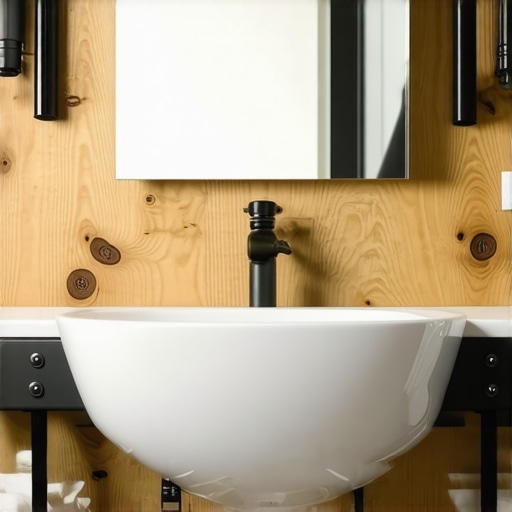 }**Popular misconceptions about vanities and built-ins often lead to costly failures, but understanding the nuances of proper reinforcement can make all the difference.**Maintaining the integrity of vanities and built-in storage isn’t just about initial installation—it’s an ongoing process that ensures durability and safety over years of use. The right tools and methods can make this maintenance routine efficient and effective, saving you time and preventing costly repairs. One essential tool I rely on is a high-quality digital stud finder, like the DeWalt DCT419S1; its deep scanning capabilities allow me to locate studs behind drywall with precision, which is critical when reinforcing heavy fixtures or mounting new supports. Pairing this with a sturdy cordless drill equipped with a set of high-torque drill bits ensures I can install anchors and supports securely without dependence on another person’s help.
For measuring and alignment, I favor a laser level such as the Bosch GPL 3.0, which projects perfectly straight lines across surfaces, simplifying the task of ensuring shelves and supports are perfectly horizontal—a key factor in longevity. When it comes to cutting steel supports or braces, I use a 4.5-inch angle grinder fitted with a metal cutting disc; this tool allows for clean, precise cuts when custom-fitting internal reinforcements like steel angle brackets or plates.
Software-wise, I recommend CAD applications like SketchUp for pre-installation planning. Visualizing reinforcement placements and load distribution helps me anticipate stress points, especially when designing support systems for oversized or heavy countertops. Advanced design insights often come from industry publications, such as the detailed steel reinforcement techniques discussed by the American Institute of Steel Construction, which can be invaluable for complex builds.
Looking ahead, automation and smart tools will become more prominent in home improvement. Imagine using a wireless, app-controlled laser level that automatically adjusts its position based on real-time feedback—a future where precision and ease of maintenance are seamlessly integrated.
So, what’s the best way to keep your vanities and built-ins functioning flawlessly? Incorporate these tools into your regular maintenance routine—checking for loose supports, reinforcing stress points, and ensuring everything is level. Don’t hesitate to try using a laser level to double-check your alignments; it can dramatically improve the stability and look of your installation. For a step-by-step method on installing heavy fixtures with long-term durability in mind, visit our detailed vanity installation guide. Before beginning your next project, consider investing in the right equipment and techniques discussed here to make your support systems last for decades.
The Hard-Earned Lessons That Changed My Approach
One of my biggest lightbulb moments came when I realized that even the most meticulously installed vanities and built-ins can fail over time without proper internal support. I once thought that a solid wall mount and decorative panels were enough—turns out, wrong! I’ve learned that reinforcing the support structure with steel brackets and backing panels can prevent sagging and tilting, saving you from costly rework down the line.
Trust me, neglecting these hidden reinforcements is a common trap that many homeowners and even pros fall into, leading to wobbling or even catastrophic failure. The deeper understanding that internal supports distribute weight more evenly became a game changer for me, especially when dealing with heavy countertops or load-bearing storage. It’s this insight that truly transforms a flimsy installation into a durable fixture that lasts for decades.
Gear That Became My Secret Allies in Reinforcement
Over the years, I’ve compiled a toolkit that makes reinforcement tasks straightforward and reliable. My go-to items include a high-quality stud finder like the DeWalt DCT419S1, which helps me locate the best anchoring points, and a sturdy cordless drill equipped with steel-cutting and screw-driving capabilities. Steel angle brackets, steel plates, and heavy-duty toggle bolts are essential — I trust names like Simpson Strong-Tie and MiTek for their durability. These tools and materials have empowered me to reinforce everything from floating vanities to massive storage cabinets confidently.
For planning and visualization, software like SketchUp helps me anticipate support needs and placement before starting the heavy lifting, reducing surprises and ensuring the final result is rock-solid.
Embrace the Support System for Peace of Mind
My advice to you: don’t leave reinforcement to chance. Use the right tools and ask yourself how weight is being distributed across your support points. A bit of extra effort upfront—installing steel support brackets, backing panels, or steel plates—can mean the difference between a vanity that’s stable for years to come and one that wobbles at the first heavy use.
If you’re looking for detailed guidance on reinforcing built-ins and vanities, check out our comprehensive vanity installation guide. Remember, investing in proper support not only enhances safety but also preserves the aesthetic appeal of your space over time. Trust me, it’s the kind of craftsmanship that turns a good project into a great one.