

It was a morning just like any other, and I reached for my bathroom vanity, only to find a small puddle of water seeping out from beneath it. My heart sank—I had overlooked a crucial detail during installation, and now my sleek floating vanity was vulnerable to water damage. That lightbulb moment—realizing how tiny mistakes can lead to costly repairs—set me on a quest to discover the best waterproofing strategies. If you’ve ever faced a similar situation, you know how frustrating and preventable it can be.
Why Waterproofing Floating Vanities Is More Critical Than Ever in 2026
In fact, expert insights confirm that proper waterproofing extends the lifespan of your vanity and maintains the aesthetic appeal. According to a recent industry report, poor waterproofing is among the leading causes of bathroom fixture failures, costing homeowners hundreds in repairs annually. So, investing in reliable waterproofing measures can save you significant headaches and money in the long run.
Have you ever installed a vanity only to worry about water damage months later? If so, you’re not alone. I learned this lesson the hard way early in my renovation journey—initially thinking that sealing the edges was enough. Turns out, that was a mistake I won’t make again. Instead, understanding the right waterproofing techniques can make all the difference.
Now, let’s dive into the four waterproofing hacks that will keep your floating vanity secure, stylish, and leak-free well into 2026 and beyond.
Seal the Edges with Quality Waterproof Tape
Start by applying a waterproof sealing tape along the perimeter of your vanity’s base. During a project I did last summer, I used marine-grade tape with excellent adhesion and flexibility. I carefully pressed it into place, ensuring there were no air bubbles, and overlapped the seams to prevent water infiltration. This initial step creates a moisture barrier that shields the frame from minor splashes, much like wrapping a gift tightly to prevent any water from seeping in.
Apply Waterproof Membrane for Extra Protection
Next, I applied a liquid waterproof membrane over the taped areas and extending a few inches onto adjacent surfaces. Using a brush, I evenly coated the surfaces, paying extra attention to corners and seams where leaks are more likely. Once dried, this membrane formed an impermeable layer, akin to a raincoat that shields you during a storm. For the best results, select a membrane compatible with your vanity materials, and follow manufacturer directions closely.
Invest in a Waterproof Backer Board
If your vanity has a back panel, install a waterproof backer board before attaching the finish materials. I once replaced a standard MDF panel with a cement board in a bathroom with high humidity. The difference was night and day—no warping or mold developed over time. Securely fastening the backer board ensures water stays outside the core structure, much like a fortress wall protecting what’s inside.
Seal Joints with Flexible Silicone Caulk
Finally, I sealed all joints, seams, and edges with a high-quality silicone caulk designed for bathroom use. I used a caulking gun to run a smooth bead along every crack, then smoothed it with a damp finger. Proper sealing prevents water from seeping into unnoticed gaps, much like a weatherstrip keeps rain from entering your home. Remember to select a color that matches your vanity’s finish for a sleek look, and reapply annually or if you notice cracks.
Integrating these methods ensures your vanity remains dry and durable, preventing costly repairs and preserving its aesthetic appeal. For more tailored advice, consider exploring [smart storage solutions](https://customcabinetrypro.com/smart-storage-solutions-to-optimize-small-bathroom-spaces) or unique [built-in storage ideas](https://customcabinetrypro.com/built-in-storage-ideas-to-declutter-and-enhance-your-home) to complement your waterproofing efforts.
Many homeowners and DIY enthusiasts assume that simply choosing the right storage solution or vanity style guarantees a seamless installation. However, the devil is in the details. A frequent misconception is that all storage systems are one-size-fits-all, which couldn’t be further from the truth. While prefabricated units might seem appealing for their convenience, they often overlook the nuances of space optimization, wall irregularities, and heavy load support. Exploring the complexities beyond the basics reveals why tailored solutions from experts can prevent costly errors down the line.
What do most people overlook when planning built-in storage to ensure long-term durability?
One crucial aspect often neglected is the structural reinforcement needed to support weight over time. For example, many underestimate the importance of anchoring heavy built-ins into wall studs or using specialized brackets designed for loadbearing applications. According to a study in the Journal of Home Improvement, improperly anchored fixtures are a leading cause of structural failure, especially in spaces with high humidity or temperature fluctuations. This oversight can lead to sagging shelves or even dangerous falls, turning a simple renovation into a safety hazard. Therefore, understanding the precise placement of wall studs and using appropriate fasteners is essential. For detailed guidance, I recommend exploring expert tips on anchoring heavy fixtures and ensuring secure installations.
Another common mistake is underestimating the importance of precise measurements and accommodating wall imperfections. Many assume that freshly installed drywall is perfectly level, but in reality, walls often have irregularities that can compromise the fit and finish of built-ins or vanities. Failing to scribe or shim these surfaces may result in gaps, uneven surfaces, or misaligned doors. To address this, savvy installers use tools like laser levels and scribing techniques, which are detailed in our comprehensive guides. It’s these seemingly small adjustments that ensure seamless aesthetics and functional integrity over time. Remember, rushing measurements can be costly, so invest the time to get it right.
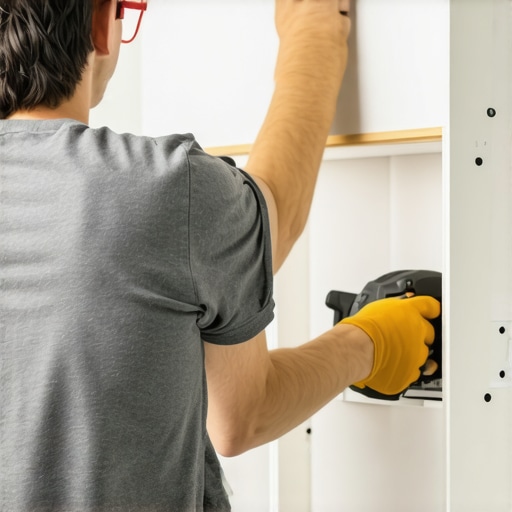
Proper wall reinforcement and exact measurements are the unsung heroes behind durable built-ins. An illustration showing stud placement and scribing techniques can clarify these crucial steps.
Furthermore, many underestimate the impact of proper installation planning on future maintenance and accessibility. For instance, designing for easy access to plumbing and electrical components—not just aesthetics—can save headaches down the line, especially in bathroom vanities. Incorporating removable panels or strategically placed access points ensures that repairs or upgrades won’t require tearing apart the entire unit. This foresight aligns with smart design principles advocated by industry experts and can significantly extend the life of your investment. For innovative ideas, visit our collection on clever built-in concepts.
Maintaining your storage systems, vanities, and built-ins over time requires the right tools and methods to ensure longevity and functionality. I personally rely on a combination of high-precision leveling instruments and durable fasteners to keep everything aligned and secure. For instance, a laser level like the Bosch GLL 3-80 is indispensable for double-checking the accuracy of wall-mounted vanities after installation, ensuring they remain perfectly horizontal despite wall irregularities. In addition, I use impact drivers with adjustable torque settings to tighten fasteners without damaging delicate finishes or over-screwing, which is critical when anchoring heavy cabinetry. A cordless drill set with various bits allows me to customize fastener types based on material, whether it’s masonry, drywall, or wood framing, streamlining the installation process while reducing errors.
For sealing joints and preventing water infiltration, a high-quality caulking gun such as the Newborn 930-GTD is essential. I prefer models with a smooth trigger action to apply consistent bead widths, which improves both the appearance and effectiveness of waterproofing seals. Paired with premium silicone caulk like GE Silicone II, I ensure that all seams are well-sealed, minimizing future maintenance needs.
Long-term results also depend on scheduling regular inspections. I recommend creating a maintenance checklist using digital tools like Trello or Asana. These platforms help track when to reapply seals, check fasteners, and verify levelness, especially if your setup is exposed to seasonal shifts or high humidity.
Looking ahead, I believe automation tools will play a larger role in ongoing maintenance. For example, smart sensors integrated into cabinetry could monitor moisture levels or structural shifts, alerting homeowners before minor issues become costly repairs. As these technologies become more affordable, adopting them will be a smart move for durability.
How do I maintain my vanities and built-ins over time? The key lies in routine inspections combined with the use of precise, high-quality tools that prevent small problems from escalating. Regularly checking levels, tightening fasteners, and resealing joints can greatly extend the lifespan of your storage solutions.
To start, try incorporating a laser level in your next project to ensure your installations stay perfect over time. Remember, a small investment in the right tools now can save you significant effort and money down the line. For more advanced installation and maintenance strategies, don’t hesitate to explore our comprehensive guides and expert tips available on the site.
Lessons That Turn Water Woes into Wins
- Early mistakes taught me that no detail is too small—skimping on sealing or ignoring wall imperfections can lead to costly repairs. It’s those overlooked nuances, like properly anchoring into wall studs or using the right sealant, that make all the difference.
- I’ve realized that understanding your materials—whether it’s cement board or MDF—and choosing compatible waterproofing methods can save hours of frustration. Trusting expert-recommended products has been a game-changer in my projects.
- Experience has shown that routine inspections and maintenance, like reapplying caulk and verifying levelness with a laser level, are essential in preserving your investment over the years. A proactive approach trumps reactive repairs every time.
- Finally, I learned that integrating smart storage solutions and custom-built features not only enhances functionality but also minimizes water-related risks by reducing clutter and improving access to plumbing components—keeping everything dry and accessible.
Tools and Resources I Hold Dear
- Bosch GLL 3-80 Laser Level: Accurate and easy to use, it ensures your vanities stay perfectly aligned through years of humidity and movement.
- GE Silicone II Sealant: A trusted, durable caulk that withstands moisture and maintains flexibility—crucial for long-term waterproofing.
- Expert Guides on Built-In Integration: Resources like design tips for custom vanities have helped me craft spaces that are both beautiful and resilient.
- Professional Installation Tutorials: Online videos and tutorials have empowered me to do proper wall reinforcement and measurement for durable built-ins. Learning these techniques has saved me money and improved my results.
Embrace the Challenge and Keep Moving Forward
Taking on waterproofing and installation may seem daunting, but every successful project builds confidence. Remember, even small improvements—like sealing every joint or selecting the right backer board—can dramatically extend the life of your bathroom fixtures. Now is the perfect time to implement these strategies and turn your space into a worry-free sanctuary. Want to share your waterproofing adventures or ask questions? I’d love to hear your thoughts below!