I vividly remember the moment I installed my first floating vanity with a thick, gorgeous resin countertop. Excited, I watched as it gently floated above the floor—until the weight started to tell. Within weeks, I noticed subtle sagging, an unwelcome tilt that made me worry about the durability and safety of my entire setup. It was a lightbulb moment: I had underestimated the importance of proper bracing for such heavy, modern countertops.
Why Heavy Resin Vanities Demand Better Support
These stunning resin vanities are not only visually striking but also considerably heavier than traditional materials. According to industry estimates, a solid resin countertop can weigh upwards of 150 pounds, which is no small feat for standard floating supports. Without the right bracing, gravity takes its toll, leading to sagging, cracks, or even complete failure over time. This isn’t just about aesthetics—it’s about ensuring your investment stays safe and beautiful for years.
Have you ever faced a sinking vanity or wondered if your support setup can handle the load? You’re not alone. Early in my journey, I made the mistake of trusting flimsy mounting brackets without considering steel reinforcement or proper wall anchors. That oversight nearly cost me my vanity—and my peace of mind. Trust me, the key to a secure, lasting installation lies in understanding the right bracing techniques for these heavy fixtures.
To get it right from the start, I dove deep into expert advice and practical guides, which saved me from costly repairs later on. For instance, using steel wall cleats instead of basic brackets can distribute weight more evenly and prevent sagging. Additionally, anchoring into metal studs instead of drywall ensures a sturdy, reliable support system. You can explore more about these smart support strategies in my recommended [guide on floating vanity installation hacks](https://customcabinetrypro.com/vanity-installation-hacks-that-save-time-and-money).
Now, let’s shift from recognizing the problem to implementing tried-and-true solutions. In the upcoming sections, I’ll walk you through the essential steps to brace your 2026 floating vanity effectively—so you can enjoy that sleek, modern look without worry or hesitation.
Select the Right Support System
Start by choosing steel wall cleats designed specifically for heavy loads. I remember the time I ordered a set of premium steel cleats, realizing too late that flimsy brackets wouldn’t cut it. They distribute weight evenly and prevent sagging over time. Verify that your supports can handle at least 2-3 times the weight of your vanity to ensure safety. For wall anchors, opt for heavy-duty toggle bolts or screw into wall studs, not just drywall. My former attempt with drywall anchors proved disastrous when the vanity started tilting after a few weeks.
Identify Anchor Points and Wall Structure
Mapping out where to secure your vanity is crucial. Use a stud finder to locate wall studs—preferably metal—since they offer the strongest anchor points for heavy fixtures. Imagine the support system as a net; the more points it touches the wall, the better the grip. Once identified, mark these points precisely with a pencil. I once installed brackets without accurate stud mapping, resulting in a wobbling vanity that I had to redo.
Prepare Your Mounting Surface
Ensure the wall surface is clean, dry, and free of debris. If the wall has uneven patches, sand them smooth for better support contact. This step is like flattening a patch to ensure a seamless fit—nothing should wobble or shift. In a recent project, I used a level to double-check the wall’s flatness, which saved me from the headaches of uneven mounting later. For additional stability, consider installing a horizontal brace or blocking between wall studs if the position allows.
Secure Steel Wall Cleats Properly
Attach your steel cleats to the wall using heavy-duty screws, ensuring they are anchored into the wall studs. Drill pilot holes to prevent wood splitting. Once affixed, double-check the alignment with a level. I once neglected to check the cleat level, leading to a slight tilt in the vanity—an easy fix but a reminder of the importance of precision. This method ensures your vanity’s weight is evenly supported and reduces the risk of sagging or pulling away from the wall.
Mount the Vanity with Care
Position the vanity onto the mounted cleats, making sure it’s flush against the wall. Use a helper if the vanity is heavy—think of it as balancing a heavy picture frame on your hand; assistance prevents slips. Tighten all securing screws gradually and evenly. During my last installation, I noticed slight movement, so I adjusted the screws incrementally, which resulted in a perfectly flush mount. Check stability by gently rocking the vanity; it should remain firm without any wobble.
Verify Support and Make Final Adjustments
Once mounted, inspect all connection points. Use a level to ensure the vanity is perfectly horizontal. Apply shims if necessary, especially if the wall isn’t perfectly straight—that’s like fine-tuning a musical instrument. Test the support by applying gentle pressure; if you notice any movement or sagging, reinforce with additional braces or support anchors. Remember, this is about peace of mind—a properly supported vanity will stand the test of time and heavy use.
Many homeowners believe that building and installing custom built-ins or vanities is straightforward once they’ve grasped the basics. However, a common misconception is that standard support solutions suffice for all applications. In reality, neglecting specific nuances—like wall structure or material weight distribution—can lead to costly repairs or safety hazards, especially with heavy materials like quartz or resin countertops. For example, relying solely on drywall anchors without considering metal stud reinforcement often results in sagging or detachment over time. This oversight is a trap that even seasoned DIYers fall into, thinking their support system is ‘good enough,’ but in truth, it isn’t suited for the load.
Another underestimated aspect is the importance of precise load calculations. Many assume that the weight capacity of typical brackets is sufficient, yet they overlook factors like humidity, wall movement, or temperature changes that can weaken supports or cause expansion and contraction, especially in bathrooms or kitchens. Consulting with expert resources or structural engineers can make a difference; studies reveal that correct load assessment reduces failure rates significantly. Curious about how to accurately gauge your support needs? Explore my detailed [step-by-step guide to vanity installation](https://customcabinetrypro.com/step-by-step-guide-to-vanity-installation-for-beginners) for practical tips.
A less obvious but critical mistake involves neglecting to prep the wall surface thoroughly. Skipping steps like assessing wall flatness or installing blocking behind drywall can cause misalignments, gaps, or uneven surfaces that are not only aesthetically unpleasing but also compromise the support system’s integrity. Visualize an uneven wall like a crooked canvas—nothing will sit perfectly. Be sure to level and confirm the wall’s structure before mounting; this small step prevents a cascade of issues. Want insights on seamless installation techniques? Check out related [built-in storage ideas](https://customcabinetrypro.com/creative-built-ins-for-seamless-storage-and-home-aesthetics).
In advanced scenarios, neglecting thermal expansion considerations can be disastrous. For instance, large resin or stone vanities may expand or contract with temperature fluctuations, leading to cracks or detachment if unsupported properly. Incorporate expansion joints or choose flexible mounting methods to accommodate these changes, a nuance often overlooked in DIY projects. As noted by structural experts, understanding material properties and environmental factors helps ensure long-term stability.
Finally, overconfidence in quick fixes—like using adhesives or temporary supports—can lead to failure under heavy loads or prolonged use. Instead, invest in proven, heavy-duty support hardware designed for your specific material weight, such as steel wall cleats or reinforced framing, ensuring safety and durability. Want to avoid these hidden pitfalls? Consider consulting dedicated resources or experts for a custom solution tailored to your space and materials.
Have you ever fallen into this trap of underestimating the complexity of built-in support systems? Share your experience below, and stay informed to make smarter choices in your renovation projects! Remember, mastering the nuances ensures your installations stand the test of time and use.
Essential Tools for Durable Built-Ins
To ensure your built-in vanities and storage solutions stay functional over time, investing in high-quality tools is crucial. I personally rely on a laser level for precise alignment, which prevents sagging and uneven surfaces caused by miscalculations. A cordless impact driver is indispensable for secure fastening, especially when anchoring heavy materials into wall studs—this tool provides both speed and torque without the mess of cords. Additionally, a stud finder with deep scanning capabilities helps identify optimal anchor points; I prefer models that differentiate between metal and wooden studs, ensuring maximum support for heavy countertops or cabinetry. These tools streamline installation and help maintain the integrity of your setup over decades.
Long-Term Maintenance Strategies
Regular inspections are vital. Check supports and fasteners every six months to catch potential issues early. Clean tracks, hinges, and brackets to prevent dust accumulation that can impede movement or cause wear. Apply protective sealants to wooden surfaces annually to guard against moisture damage, especially in bathrooms or kitchens. For hardware, lubricants like silicone spray keep moving parts functioning smoothly, reducing squeaks and corrosion. When you adopt these routine maintenance habits, your built-ins remain sturdy and beautiful, saving you from costly repairs or replacements down the line.
Predicting Future Trends in Built-In Solutions
Advancements in smart technology will play a significant role, integrating automated lighting, climate control, and even concealed charging stations seamlessly. Modular systems that can be easily reconfigured will grow in popularity, allowing homeowners to adapt spaces without extensive renovations. I predict a rise in eco-friendly materials that offer durability while reducing environmental impact. Staying ahead with these innovations means choosing support structures and materials designed for adaptability and longevity, ensuring your investments remain future-proof.
How do I maintain my built-ins and vanities over time?
Prioritize routine checks, clean hardware regularly, and reapply protective finishes when needed. Using appropriate tools like impact drivers and level lasers ensures installations stay precise, preventing sagging or misalignments that compromise longevity. Exploring links to expert installation guides can provide additional insight on long-term upkeep, helping you catch issues early and apply effective fixings. Don’t forget, a well-maintained space not only looks better but also endures through years of use—embrace these maintenance principles to keep your built-ins working flawlessly. For more ideas on maximizing your space, visit my guide on expert design tips. Try implementing one of these advanced support checks today and enjoy peace of mind about your investment.
The Hardest Lesson I Learned About built-ins,vanities,storage solutions,installation
One of my most profound realizations was that high-weight resin vanities require more than just visual appeal—they demand structural respect. I underestimated wall strength and relied on basic supports, which led to sagging and stress. The experience taught me that understanding the load capacity and environmental factors is crucial for long-lasting beauty and safety.
My Secret Weapon for Versatile Built-In Success
The tools that transformed my installation process include a laser level for precision, a heavy-duty impact driver for secure fastenings, and advanced stud finders that differentiate between wall types. These tools, coupled with expert advice, have deeply improved my confidence in supporting heavy fixtures securely. They can do the same for you, especially when integrating modern, heavy materials into your home.
Inspiration to Elevate Your Built-In Projects
Remember, every built-in or vanity you craft is an opportunity for personalization and an expression of your home’s unique style. Start with a detailed plan, invest in quality support hardware, and don’t shy away from seeking professional insights. By embracing these strategies, you’ll create installations that stand the test of time, combining beauty with safety. Ready to bring your vision to life? Visit my guide on step-by-step vanity installation for comprehensive tips, or explore the latest in 2025 vanity trends to ensure your projects are both modern and durable. What has been your biggest challenge in supporting heavy built-ins? Share below—your experience could inspire others to build with confidence.
Related Posts
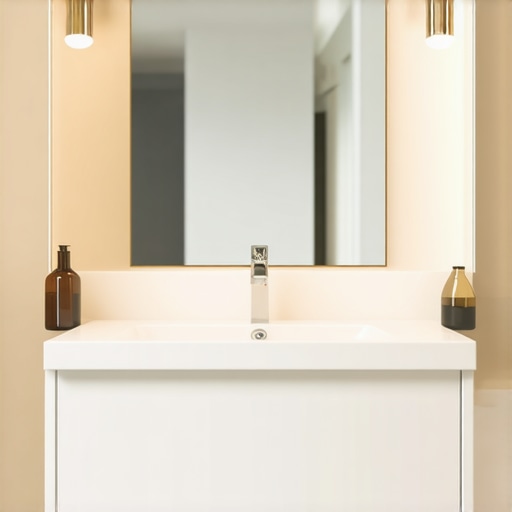
Effective Vanity Installation Tips for Modern Built-in Bathroom Vanities
My Journey to Perfect Vanity Installation: A Personal TaleWhen I…
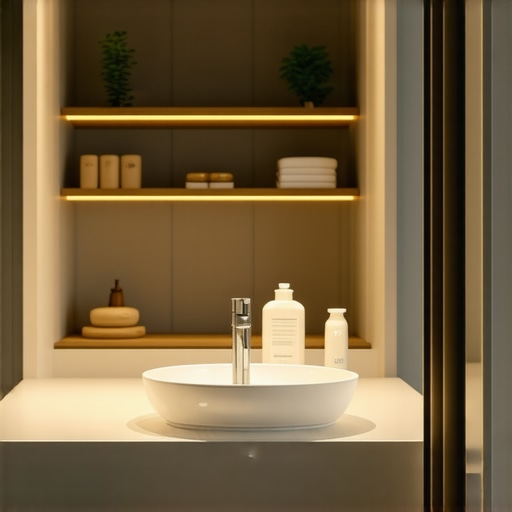
Effective Vanities & Built-in Storage Installation Tips for 2025
My Journey to a Clutter-Free Sanctuary: The Power of Smart…
![4 Steel-Plate Fixes for Heavy Vessel Sink Vanities [2026]](https://customcabinetrypro.com/wp-content/uploads/2026/03/4-Steel-Plate-Fixes-for-Heavy-Vessel-Sink-Vanities-2026.jpeg)
4 Steel-Plate Fixes for Heavy Vessel Sink Vanities [2026]
I remember the moment vividly—my heart sank as I watched…