
Ever spent hours trying to secure a heavy garage rack only to realize it’s wobbling or, worse, starting to pull away from the wall? I’ve been there. One afternoon, after mistakenly anchoring a massive storage unit directly into drywall without proper support, I felt that sinking feeling of frustration — knowing that a slight bump or heavy load could finally cause a disaster. That lightbulb moment made me dig into a better way to anchor those heavyweight fixtures securely.
The Importance of a Solid Anchor for Heavy Garage Racks
Heavy-duty garage racks aren’t just about holding tools and bins; they’re about safety, organization, and peace of mind. When these racks aren’t anchored properly, especially when attached to wall materials like aging brick or drywall, they can become dangerous hazards. The concrete wedge anchor move is a game-changer — it’s a proven method to ensure your rack stays put, no matter how much gear you cram into it.
Questioning the Hype: Is The Concrete Wedge Anchor Move Really Effective?
Initially, I was skeptical. I thought, “This looks complicated,” or, “Will it really hold heavy loads?” My early mistake was underestimating the power of the right hardware. I once attempted to install a garage rack using generic anchors, which I thought would suffice. But when the weight shifted or I bumped the rack, the anchors started pulling out, causing an embarrassing wobble. Learning from that, I discovered that choosing the correct concrete wedge anchors and understanding their proper installation is vital. And, according to industry experts, when installed correctly, these anchors provide up to 2,200 pounds of holding strength per anchor, making them a reliable choice for heavy garage fixtures (source: [Custom Cabinetry Pro](https://customcabinetrypro.com/5-heavy-duty-anchor-fixes-for-garage-cabinets-on-aging-brick)).
So, let’s get practical. In the upcoming sections, I’ll walk you through exactly how to execute the concrete wedge anchor move step by step — without tearing out your hair — so that your garage racks stay secure for years to come. Ready to make your storage both functional and safe? Let’s dive right in!
Preparing Your Workspace for a Secure Installation
Start by clearing the area where you plan to install the rack. Remove any debris or drywall dust that could interfere with the anchor’s grip. I once worked in a cramped garage, fighting to position the rack without slipping — using a dust-free surface made a huge difference in my control and precision.
Marking Anchor Points Precisely
Use a pencil and a level to mark the exact spots where the anchors will go. Measure twice to ensure accuracy; one off-mark can cause unstable support. In my first attempt, I mistakenly placed anchors too close to the edge, which weakened their hold. Accurate markings prevent this mistake and streamline your process.
Drilling the Holes Correctly
Choose a masonry drill bit matching your wedge anchor’s diameter. Drill at a steady speed, applying firm pressure without forcing the drill. Think of drilling as steering a boat — smooth and controlled. I learned this the hard way when rushing, resulting in uneven holes that compromised support. Patience here ensures perfectly sized, clean holes ready for anchors.
Tip: Use a hammer drill if the concrete is thick or very hard—this makes the process smoother and more effective.
Inserting and Setting the Wedge Anchors
Tap the wedge anchor into the drilled hole, ensuring it’s flush with the surface. Use a torque wrench to tighten the nut gradually, applying consistent pressure. Imagine tightening a bicycle bolt; slow, even turns are key. In my case, over-tightening caused the concrete to crack, so I learned to heed the torque specifications carefully.
Tip: Consult manufacturer’s instructions for specific torque values to prevent over-tightening or under-tightening.
Securing the Rack for Heavy Loads
Attach the rack brackets to the anchors using appropriate bolts. Double-check that everything is square and level before tightening fully. Remember, a wobbly rack is like a wobbly table—it undermines safety and usability. Once, I neglected to verify alignment, resulting in an uneven rack that struggled to support weight. Ensuring proper alignment now guarantees stability and safety.
Final Checks and Safety Confirmations
Test the installation by applying gradual force to the rack. If it resists movement and feels sturdy, you’ve succeeded. Regularly inspect the anchors, especially after heavy use or impacts. I make it a habit to check my garage rack monthly—simple maintenance that saves headaches and prevents accidents.
By following these clear steps, you harness the power of concrete wedge anchors to turn a wobbly, risky setup into a rock-solid storage solution. For additional reinforcement methods applicable to various wall types, explore our heavy-duty anchor fixes for garage cabinets or consult with experts via our contact page. Achieving peace of mind in your space begins with solid support—now go secure your gear with confidence!When it comes to installing vanities and built-in storage solutions, many people believe that following basic instructions or relying on standard hardware ensures success. However, as an expert in custom cabinetry and home integration, I can tell you that misconceptions about what works—and what doesn’t—can lead to costly mistakes. One prevalent myth is that all wall types require the same anchoring method. In reality, drywall, plaster, brick, and concrete each demand tailored approaches to secure heavy fixtures safely. Oversimplifying this process often results in instability and damage over time.
For example, many assume that standard toggle bolts are sufficient for heavy vanities, but studies show that in load-bearing applications, steel wall anchors or specialized masonry bolts offer significantly greater strength and durability (expert insight). Relying solely on generic hardware without assessing your wall material is a common trap that can turn a simple DIY project into expensive rework.
Are You Overlooking the Importance of Support Structures?
One advanced mistake I see often involves neglecting internal support mechanisms within built-ins. Imagine installing a massive bookshelf without internal steel braces or sub-frames; it’s only a matter of time before shelves bow or pull away. Proper reinforcement—like steel plates or internal bracing—distributes weight more evenly and prevents sagging, especially with heavier loads in high-humidity environments like bathrooms or kitchens. Too many installers underestimate these nuances, leading to ongoing problems later. If you’re interested in bolstering your installations, consider exploring our heavy-duty wall fixes for inspiration.
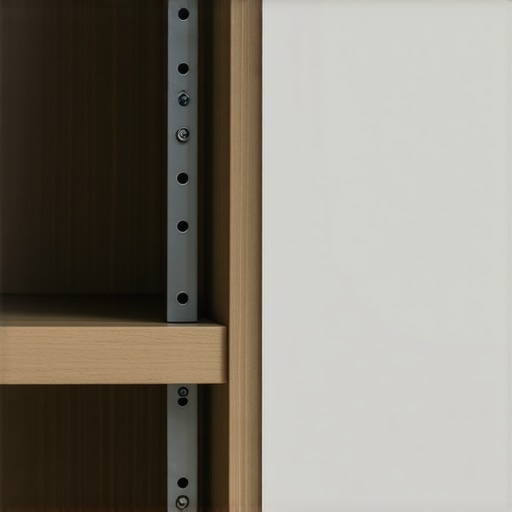
Another overlooked aspect is the positioning—many think that simply securing a vanity or built-in at the most visible point is enough. But, the real secret lies in anchoring at the structural level—attaching directly to studs or using concealed steel supports that distribute forces evenly. This advanced approach minimizes wobble and prevents tilting or shifting over time. For those planning complex installations, understanding these nuances can be the difference between a stable fixture and one that needs frequent adjustments. For detailed strategies, see our vanity installation guide.
Everyone’s been conditioned to think that mounting is straightforward—insert, screw, done—but I recommend always reconsidering the support system, especially for heavy or oddly shaped fixtures. Using steel brackets, hidden steel plates, or a plywood backing can make all the difference (more tips in expert design tips). The takeaway? Never underestimate the importance of internal reinforcement and tailored anchoring systems for long-lasting, safe installations. Have you ever fallen into this trap? Let me know in the comments.
Maintaining your custom cabinetry and storage solutions isn’t a set-it-and-forget-it task; it requires deliberate tools and methods to ensure long-term performance. Over the years, I’ve honed my toolkit to include specialized equipment that allows for precise adjustments, reinforcing support structures, and swift troubleshooting when things shift or settle. Investing in quality tools not only saves you time but also protects your investment in beautiful, functional spaces.
Choose The Right Power Drill for Every Job
My go-to is a high-quality cordless drill with adjustable torque settings—specifically, I prefer the Milwaukee M12 series. The adjustable torque control lets me tighten fasteners to the exact pressure needed, avoiding over-tightening that can crack drywall or weaken support. Additionally, a hammer drill attachment becomes indispensable when anchoring into concrete or brick, ensuring clean holes and reducing fatigue during prolonged projects.
Use Fine-Tip Leveling Instruments
A precise bubble level or digital level app is essential. I often rely on the Bosch digital spirit level for its accuracy, which helps me verify that every built-in or vanity is perfectly aligned. Fairly tiny misalignments can cause doors to stick or shelves to sag over time, so I check frequently during installation. For large-scale projects, laser levels like the DEWALT DW0892 are game-changers, allowing me to set multiple components in perfect harmony across entire walls.
Incorporate Support Hardware Like Steel Brackets and Plates
When reinforcing heavy fixtures, I prefer steel L-brackets and steel plates. I especially recommend heavy-duty steel brackets for their durability and ability to distribute weight evenly. Using a combination of steel supports, such as behind-wall steel braces or concealed mounting plates, protects your installation from shifting or sagging, especially in high-humidity or heavily loaded environments.
Apply Gentle, Consistent Torque
A quality torque wrench is invaluable for long-term stability. I use a calibrated wrench to tighten anchors and bolts according to manufacturer specifications, which prevents over-stressing materials. Consistent torque application ensures that fixings maintain their hold and don’t loosen over time, particularly critical when dealing with metal studs or heavy stone vanity tops.
Why Regular Inspection Nurtures Longevity
No matter how expertly installed, all fixtures benefit from periodic checks. I recommend inspecting support points every six months, tightening fasteners and replacing worn supports as needed. This routine maintenance averts unexpected failures and extends the life of your investments. You might consider using a stud finder with live wiring detection to verify no new hazards appear behind your supports before making adjustments. For example, when fixing heavy built-ins into existing structures, consulting experts through our contact page can provide critical insights.
Looking ahead, advances in smart support systems and sensor-embedded fixtures promise to make ongoing maintenance even easier. But in the meantime, I encourage you to try using a high-quality torque wrench combined with steel support hardware—these have dramatically improved the longevity of my installations. Regular inspections, paired with these precise tools, will help your custom storage solutions perform flawlessly for years to come.
How do I maintain my built-in storage and fixtures over time?
Ensuring you have the right tools for adjustments, reinforcement, and inspections is key. Incorporate steel brackets for added stability, use a torque wrench for precise tightening, and perform routine checks to catch potential issues early. By following these practices, you can enjoy a safe, functional, and beautiful space long after the initial installation.
What I Wish I Knew About Reinforcing Built-Ins Early On
One of my biggest lessons was realizing that internal support systems are just as crucial as the anchors themselves. Early in my projects, I underestimated the power of steel braces and internal framing, which led to sagging and wobbles down the line. Now, I always incorporate robust internal reinforcements, understanding that they dramatically extend the lifespan and safety of built-ins.
Why Tailoring Hardware Changes Everything
I used to rely on generic anchors, assuming one size fits all. But each wall type — brick, drywall, or concrete — demands specific hardware. Personal experience taught me that investing in the right steel brackets or specialized anchors prevents costly failures later. Trust me, customizing your approach based on wall material is a gamechanger.
The Power of Precise Support Placement
Measuring twice and drilling with intent might seem trivial, but small miscalculations can make your fixtures unstable. I learned this the hard way when an unaligned anchor caused a wobble that took days to fix. Taking the time to plan and mark support points meticulously ensures a seamless, durable installation.
Tools That Save You in the Long Run
Having quality tools like a digital level or a calibrated torque wrench isn’t just convenience; it’s a necessity. My investment in these tools has paid off by making installations quicker and more reliable. They’re essential for achieving professional results on your own.
The Joy of Seeing It All Come Together
Despite the challenges, there’s an unmatched satisfaction in transforming a cluttered space into a secure, styled haven. Every successful support move, reinforced shelf, or anchored vanity boosts my confidence and love for DIY projects. Remember, patience and proper prep are your best allies in this journey.
Resources That Elevated My Craft
- Heavy-Duty Steel Brackets: Trusted for their durability, I rely on brands like Simpson Strong-Tie for proven strength and easy installation.
- High-Quality Power Drill and Bits: A Milwaukee cordless drill with masonry bits has been indispensable for precise drilling into tough surfaces.
- Accurate Leveling Tools: A Bosch digital level ensures every fixture is perfectly aligned, preventing future sagging issues.
- Support Hardware Guides: Industry manuals and our dedicated installation guides have been invaluable references.
Your Next Move Begins Here
Confidence in your installation process starts with recognizing the importance of internal support and choosing the right hardware. Remember, a well-supported fixture isn’t just about aesthetics — it’s about safety, longevity, and peace of mind. So, what’s the first project you’re ready to reinforce? Share your plans below, and let’s build support together!