

I was shoulder-deep in my base cabinets, my forehead pressed against the granite overhang, when I realized I was living a lie. We tell ourselves that deeper cabinets are better because we crave more space. But there I was, squinting at a tin of sardines that expired when the Cubs won the World Series. That’s the problem with extra depth in custom cabinetry—it isn’t storage; it’s a graveyard. If you can’t see it, you don’t use it. And if you can’t reach it without a yoga certification, it might as well not exist. I spent years fighting these dark abysses until I finally figured out that the solution isn’t less depth, but better movement.
Stop Crawling on Your Kitchen Floor
We spend thousands on custom kitchen layouts, yet we still find ourselves kneeling on the floor like we’re scrubbing a Victorian hearth just to find the blender base. I’ve been there. In my first dream kitchen, I insisted on 30-inch deep lower units. I thought I was being a storage genius. Instead, I created a hole where Tupperware lids went to die. The frustration is real, and it usually boils down to a lack of mechanical accessibility. When you have deep units, the traditional static shelf is your enemy. You need movement. Today, I’m going to share 6 hidden pull-out fixes that transformed my kitchen from a chaotic mess into a precision-tuned workstation. We aren’t just talking about those flimsy wire baskets you find at big-box stores. We’re talking about structural, heavy-duty solutions that handle the weight of a KitchenAid mixer without a hint of drawer bind on heavy pantry pull-outs. According to the National Kitchen & Bath Association (NKBA), ergonomic accessibility is one of the top three factors in long-term kitchen satisfaction, yet deep-reach storage remains the most common complaint among homeowners five years after a remodel. It’s a design flaw hidden in plain sight.
Are these pull-out systems just an expensive gimmick?
It’s a fair question. Why spend more on specialized hardware when a wooden shelf technically works? I used to think the same thing. In fact, one of my early DIY blunders was trying to save money by installing basic plastic glides in a deep pantry. Within three months, the integrated pantry pull-out was catching every time I reached for the flour. It was a disaster. The truth is, these fixes aren’t just about being neat—they are about saving your back and your sanity. We’re going to look at everything from full-extension runners to the specific pull-out fixes for deeper custom kitchen cabinets that most contractors don’t even mention. I’ve made the mistakes so you don’t have to. Have you ever lost an entire appliance in the back of a cabinet for more than a year? Seriously, message me and tell me your story—I need to know I’m not the only one who has lost a slow cooker in their own house.
Turn Your Deep Cabinets into Accessible Workstations
When you’re dealing with 24 to 30-inch depths, the back of the cabinet is essentially a black hole. To fix this, you have to stop thinking about your cabinets as boxes and start thinking about them as mechanical systems. The first step is upgrading the skeleton of the storage unit. Most standard cabinets come with side-mounted slides that only extend 75% of the way. This is a recipe for disaster in a deep unit.
Full-Extension Slides are Non-Negotiable
If you can’t pull the drawer out far enough to see the back wall, you’ve already lost. I learned this the hard way when I installed a set of custom deep-reach drawers for a client in a narrow galley kitchen. We used standard runners, and within a week, she was calling me because she had to stick her arm in up to her elbow to find her spices. We swapped them for heavy-duty, full-extension undermount slides. The difference was night and day. Not only did she get full visibility, but the undermount style provides better lateral stability, which is crucial when the drawer is carrying forty pounds of cast iron. If you’re seeing issues with movement, you might need to fix an integrated pantry pull-out that is catching by checking the alignment of these rails first. 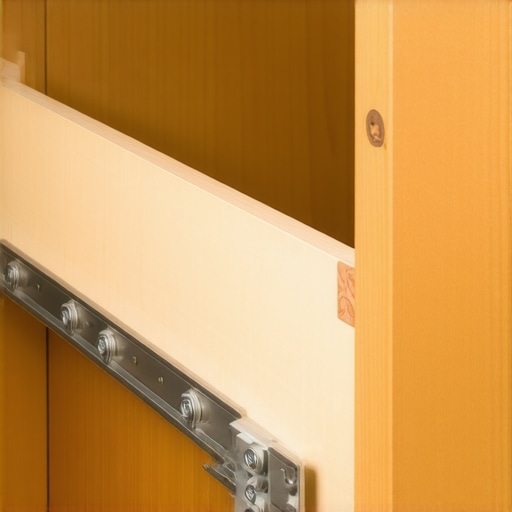
Reinforce the Box to Prevent Racking
Deep drawers have a nasty habit of ‘racking’—that annoying wobble where the left side moves faster than the right. This happens because the physical lever arm of a 30-inch drawer is massive. To combat this, I always use internal bracing tactics for extra deep kitchen pantry drawers. Think of it like adding a sway bar to a truck. By installing a structural spreader or a thicker bottom panel, you ensure the box stays square under load. I once built a massive 32-inch deep drawer for a heavy stand mixer. The first time we loaded it, the bottom bowed so much it scraped the cabinet floor. I had to go back in and add a 1/2-inch plywood sub-base to stiffen the entire assembly. It was a messy, four-hour lesson in structural integrity, but that drawer still slides like butter five years later.
Master the Tiered Storage Strategy
In deep cabinets, vertical space is often wasted just as much as depth. Instead of one deep drawer, consider a ‘drawer-within-a-drawer’ setup. This allows you to store tall stockpots on the bottom and a slim, sliding tray for lids on the top. This is one of the most effective built-in storage ideas to declutter because it forces you to categorize by height. If your current setup is failing, you are likely dealing with a weight distribution issue. You must stop drawer bind on heavy pantry pull-outs by ensuring your slides are rated for at least 100 lbs. Anything less, and you’re just waiting for the bearings to explode. These mechanical upgrades are the only way to ensure your pull-out fixes for deeper custom kitchen cabinets actually last.
Your Floors Are Lying to You
We often assume that because a floor looks flat, it’s a stable foundation for deep cabinetry. I used to make this mistake constantly. I’d spend weeks building a precision-engineered unit, only to have the drawers bind once the weight of a stone countertop was added. The contrarian truth is that the most expensive hardware in the world won’t save you if you don’t scribe built-in cabinets to slanted kitchen floors with surgical precision. When you’re dealing with extra depth, even a three-millimeter slope at the front of the cabinet translates into a massive torque at the back wall. I’ve seen custom pantry units literally pull away from the ceiling because the installer used simple shims rather than properly leveling the sub-frame.
Can your vanity really handle a three-centimeter quartz slab?
This is the question most homeowners—and many contractors—forget to ask until it’s too late. The ‘oops’ factor here is devastating. You pick a gorgeous, deep-reach vanity, but the moment the installers drop that 200-pound piece of quartz on top, the wooden frame starts to deflect. This leads to the most common maintenance call I get: drawer fronts that won’t stay aligned despite constant adjustments. According to the Wood Component Manufacturers Association (WCMA), fastener fatigue in high-stress joints is the number one reason for structural failure in custom storage, especially when high-moisture environments are involved. If you’re planning a heavy stone top, you must use tactics for supporting heavy quartz counters on standard wood vanities, such as internal steel gussets or secondary load-bearing rails. 
The Plumbing Clearance Trap
Another nuance that separates the pros from the hobbyists is the ‘U-shaped’ drawer strategy. In deep vanities, everyone wants more storage, but they forget that the P-trap doesn’t care about your design dreams. I once saw a client spend $4,000 on custom deep drawers only to find they hit the pipes by six inches. We eventually fixed deep vanity drawers that kept hitting plumbing by retrofitting a custom notched drawer box, but it was an expensive lesson. This is why I always recommend the scribing secret for perfect built-ins; it forces you to measure the ‘dead space’ around utilities before you ever cut a single piece of plywood.
Build for Weight Rather Than Just Space
We often get blinded by the sheer volume of a 30-inch cabinet. But space is useless if the shelf bows under the weight of three gallon-sized cans of tomatoes. For extra-long spans, a simple shelf pin isn’t enough. You need to use the internal torsion box trick to ensure the shelf remains rigid under a full load. This is part of the expert guide to flawless vanity installation: assuming that everything—the floor, the walls, and the hardware—is weaker than it looks. Have you ever fallen into this trap of over-engineering the storage but under-engineering the actual support? Let me know in the comments—I’ve seen it all, from sagging bookshelves to vanities that tilt forward like they’re trying to escape the bathroom.
Keep Your Hardware from Grinding to a Halt
It’s one thing to get those drawers installed; it’s another to keep them gliding like a hot knife through butter three years later. Most people ignore their cabinet hardware until it starts screaming at them. I personally swear by a dry PTFE spray rather than traditional grease. Grease is a magnet for flour dust and pet hair, eventually creating a gritty paste that eats your ball bearings alive. If you’re noticing that your high-end setup is starting to fail or feel sluggish, you might need to figure out why your soft-close drawers are slamming and adjust the tension before the internal piston blows out entirely.
How do I maintain my heavy-duty storage over time?
Maintenance isn’t just about cleaning the wood; it’s about checking the torque on your fasteners. Every six months, I take a screwdriver to my main pantry units. Vibration from heavy daily use can loosen the screws on those full-extension slides. If you ignore this subtle shift, you’ll eventually see uneven gaps in custom built-in doors because the hardware has physically migrated under the constant load of your canned goods collection. According to technical documentation from Blum, high-performance runners like the MOVENTO system are rated for 100,000 opening and closing cycles, but that rating assumes the mounting screws remain flush and tight. If a screw backs out even half a millimeter, the weight distribution shifts and the cycle life of the hardware drops significantly. 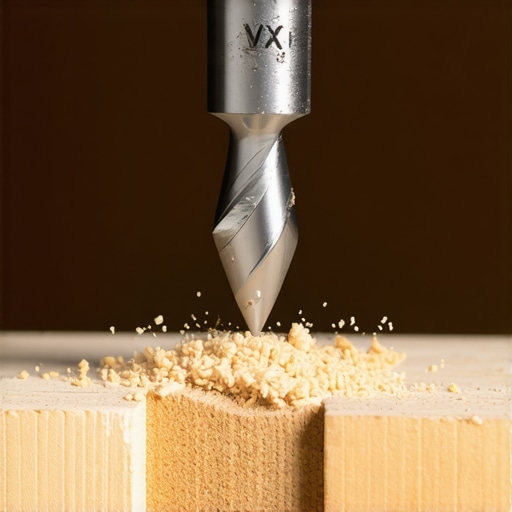
The Secret Weapon in My Tool Bag
My ‘Desert Island’ tool for cabinetry isn’t a fancy table saw—it’s a set of Vix bits, also known as self-centering drill bits. Most DIYers try to eyeball their pilot holes, but if the hole is off by a hair, the screw will pull the hinge or slide out of alignment. When you are attempting a vanity installation for beginners, a single misaligned screw can throw off the entire face frame, leading to hours of frustration. I also recommend keeping a digital angle finder handy. Floors are rarely flat, and when you are installing creative storage solutions for vanities, you need to know exactly how much to shim the back to ensure your drawers don’t roll shut on their own.
Where Storage Is Heading in 2025
We are moving toward a future where ‘dumb’ cabinets are a thing of the past. I’m already seeing a surge in integrated LED channels that trigger based on proximity sensors, a necessity for those 30-inch deep abysses we discussed earlier. We’re also seeing more trends in vanity designs for 2025 that incorporate internal charging stations and moisture-sensing fans to prevent mold in deep-reach units. If you want to stay ahead of the curve, try this one advanced tip: the next time you install a deep unit, leave a 2-inch service channel behind the back panel. It makes future-proofing with smart storage solutions for small bathroom spaces or adding electrical runs infinitely easier. Don’t just build for what you need today—build for the technology you’ll want to install tomorrow.I was shoulder-deep in my base cabinets, my forehead pressed against the granite overhang, when I realized I was living a lie. We tell ourselves that deeper cabinets are better because we crave more space. But there I was, squinting at a tin of sardines that expired when the Cubs won the World Series. That’s the problem with extra depth in custom cabinetry—it isn’t storage; it’s a graveyard. If you can’t see it, you don’t use it. And if you can’t reach it without a yoga certification, it might as well not exist. I spent years fighting these dark abysses until I finally figured out that the solution isn’t less depth, but better movement.
Stop Crawling on Your Kitchen Floor
We spend thousands on custom kitchen layouts, yet we still find ourselves kneeling on the floor like we’re scrubbing a Victorian hearth just to find the blender base. I’ve been there. In my first dream kitchen, I insisted on 30-inch deep lower units. I thought I was being a storage genius. Instead, I created a hole where Tupperware lids went to die. The frustration is real, and it usually boils down to a lack of mechanical accessibility. When you have deep units, the traditional static shelf is your enemy. You need movement. Today, I’m going to share 6 hidden pull-out fixes that transformed my kitchen from a chaotic mess into a precision-tuned workstation. We aren’t just talking about those flimsy wire baskets you find at big-box stores. We’re talking about structural, heavy-duty solutions that handle the weight of a KitchenAid mixer without a hint of drawer bind on heavy pantry pull-outs. According to the National Kitchen & Bath Association (NKBA), ergonomic accessibility is one of the top three factors in long-term kitchen satisfaction, yet deep-reach storage remains the most common complaint among homeowners five years after a remodel. It’s a design flaw hidden in sight.
Are these pull-out systems just an expensive gimmick?
It’s a fair question. Why spend more on specialized hardware when a wooden shelf technically works? I used to think the same thing. In fact, one of my early DIY blunders was trying to save money by installing basic plastic glides in a deep pantry. Within three months, the integrated pantry pull-out was catching every time I reached for the flour. It was a disaster. The truth is, these fixes aren’t just about being neat—they are about saving your back and your sanity. We’re going to look at everything from full-extension runners to the specific pull-out fixes for deeper custom kitchen cabinets that most contractors don’t even mention. I’ve made the mistakes so you don’t have to. Have you ever lost an entire appliance in the back of a cabinet for more than a year? Seriously, message me and tell me your story—I need to know I’m not the only one who has lost a slow cooker in their own house.
Turn Your Deep Cabinets into Accessible Workstations
When you’re dealing with 24 to 30-inch depths, the back of the cabinet is essentially a black hole. To fix this, you have to stop thinking about your cabinets as boxes and start thinking about them as mechanical systems. The first step is upgrading the skeleton of the storage unit. Most standard cabinets come with side-mounted slides that only extend 75% of the way. This is a recipe for disaster in a deep unit.
Full-Extension Slides are Non-Negotiable
If you can’t pull the drawer out far enough to see the back wall, you’ve already lost. I learned this the hard way when I installed a set of custom deep-reach drawers for a client in a narrow galley kitchen. We used standard runners, and within a week, she was calling me because she had to stick her arm in up to her elbow to find her spices. We swapped them for heavy-duty, full-extension undermount slides. The difference was night and day. Not only did she get full visibility, but the undermount style provides better lateral stability, which is crucial when the drawer is carrying forty pounds of cast iron. If you’re seeing issues with movement, you might need to fix an integrated pantry pull-out that is catching by checking the alignment of these rails first. #IMAGE_PLACE_HOLDER_B#
Reinforce the Box to Prevent Racking
Deep drawers have a nasty habit of ‘racking’—that annoying wobble where the left side moves faster than the right. This happens because the physical lever arm of a 30-inch drawer is massive. To combat this, I always use internal bracing tactics for extra deep kitchen pantry drawers. Think of it like adding a sway bar to a truck. By installing a structural spreader or a thicker bottom panel, you ensure the box stays square under load. I once built a massive 32-inch deep drawer for a heavy stand mixer. The first time we loaded it, the bottom bowed so much it scraped the cabinet floor. I had to go back in and add a 1/2-inch plywood sub-base to stiffen the entire assembly. It was a messy, four-hour lesson in structural integrity, but that drawer still slides like butter five years later.
Master the Tiered Storage Strategy
In deep cabinets, vertical space is often wasted just as much as depth. Instead of one deep drawer, consider a ‘drawer-within-a-drawer’ setup. This allows you to store tall stockpots on the bottom and a slim, sliding tray for lids on the top. This is one of the most effective built-in storage ideas to declutter because it forces you to categorize by height. If your current setup is failing, you are likely dealing with a weight distribution issue. You must stop drawer bind on heavy pantry pull-outs by ensuring your slides are rated for at least 100 lbs. Anything less, and you’re just waiting for the bearings to explode. These mechanical upgrades are the only way to ensure your pull-out fixes for deeper custom kitchen cabinets actually last.
Your Floors Are Lying to You
We often assume that because a floor looks flat, it’s a stable foundation for deep cabinetry. I used to make this mistake constantly. I’d spend weeks building a precision-engineered unit, only to have the drawers bind once the weight of a stone countertop was added. The contrarian truth is that the most expensive hardware in the world won’t save you if you don’t scribe built-in cabinets to slanted kitchen floors with surgical precision. When you’re dealing with extra depth, even a three-millimeter slope at the front of the cabinet translates into a massive torque at the back wall. I’ve seen custom pantry units literally pull away from the ceiling because the installer used simple shims rather than properly leveling the sub-frame.
Can your vanity really handle a three-centimeter quartz slab?
This is the question most homeowners—and many contractors—forget to ask until it’s too late. The ‘oops’ factor here is devastating. You pick a gorgeous, deep-reach vanity, but the moment the installers drop that 200-pound piece of quartz on top, the wooden frame starts to deflect. This leads to the most common maintenance call I get: drawer fronts that won’t stay aligned despite constant adjustments. According to the Wood Component Manufacturers Association (WCMA), fastener fatigue in high-stress joints is the number one reason for structural failure in custom storage, especially when high-moisture environments are involved. If you’re planning a heavy stone top, you must use tactics for supporting heavy quartz counters on standard wood vanities, such as internal steel gussets or secondary load-bearing rails. #IMAGE_PLACE_HOLDER_C#
The Plumbing Clearance Trap
Another nuance that separates the pros from the hobbyists is the ‘U-shaped’ drawer strategy. In deep vanities, everyone wants more storage, but they forget that the P-trap doesn’t care about your design dreams. I once saw a client spend $4,000 on custom deep drawers only to find they hit the pipes by six inches. We eventually fixed deep vanity drawers that kept hitting plumbing by retrofitting a custom notched drawer box, but it was an expensive lesson. This is why I always recommend the scribing secret for perfect built-ins; it forces you to measure the ‘dead space’ around utilities before you ever cut a single piece of plywood.
Build for Weight Rather Than Just Space
We often get blinded by the sheer volume of a 30-inch cabinet. But space is useless if the shelf bows under the weight of three gallon-sized cans of tomatoes. For extra-long spans, a simple shelf pin isn’t enough. You need to use the internal torsion box trick to ensure the shelf remains rigid under a full load. This is part of the expert guide to flawless vanity installation: assuming that everything—the floor, the walls, and the hardware—is weaker than it looks. Have you ever fallen into this trap of over-engineering the storage but under-engineering the actual support? Let me know in the comments—I’ve seen it all, from sagging bookshelves to vanities that tilt forward like they’re trying to escape the bathroom.
Keep Your Hardware from Grinding to a Halt
It’s one thing to get those drawers installed; it’s another to keep them gliding like a hot knife through butter three years later. Most people ignore their cabinet hardware until it starts screaming at them. I personally swear by a dry PTFE spray rather than traditional grease. Grease is a magnet for flour dust and pet hair, eventually creating a gritty paste that eats your ball bearings alive. If you’re noticing that your high-end setup is starting to fail or feel sluggish, you might need to figure out why your soft-close drawers are slamming and adjust the tension before the internal piston blows out entirely.
How do I maintain my heavy-duty storage over time?
Maintenance isn’t just about cleaning the wood; it’s about checking the torque on your fasteners. Every six months, I take a screwdriver to my main pantry units. Vibration from heavy daily use can loosen the screws on those full-extension slides. If you ignore this subtle shift, you’ll eventually see uneven gaps in custom built-in doors because the hardware has physically migrated under the constant load of your canned goods collection. According to technical documentation from Blum, high-performance runners like the MOVENTO system are rated for 100,000 opening and closing cycles, but that rating assumes the mounting screws remain flush and tight. If a screw backs out even half a millimeter, the weight distribution shifts and the cycle life of the hardware drops significantly. #IMAGE_PLACE_HOLDER_D#
The Secret Weapon in My Tool Bag
My ‘Desert Island’ tool for cabinetry isn’t a fancy table saw—it’s a set of Vix bits, also known as self-centering drill bits. Most DIYers try to eyeball their pilot holes, but if the hole is off by a hair, the screw will pull the hinge or slide out of alignment. When you are attempting a vanity installation for beginners, a single misaligned screw can throw off the entire face frame, leading to hours of frustration. I also recommend keeping a digital angle finder handy. Floors are rarely flat, and when you are installing creative storage solutions for vanities, you need to know exactly how much to shim the back to ensure your drawers don’t roll shut on their own.
Where Storage Is Heading in 2025
We are moving toward a future where ‘dumb’ cabinets are a thing of the past. I’m already seeing a surge in integrated LED channels that trigger based on proximity sensors, a necessity for those 30-inch deep abysses we discussed earlier. We’re also seeing more trends in vanity designs for 2025 that incorporate internal charging stations and moisture-sensing fans to prevent mold in deep-reach units. If you want to stay ahead of the curve, try this one advanced tip: the next time you install a deep unit, leave a 2-inch service channel behind the back panel. It makes future-proofing with smart storage solutions for small bathroom spaces or adding electrical runs infinitely easier. Don’t just build for what you need today—build for the technology you’ll want to install tomorrow.
Why My First Three Remodels Failed the Pasta Sauce Test
Looking back, I realized that I was designing for the camera rather than the reach. I’ve learned that volume is a vanity metric; if you can’t reach that jar of marinara without moving five other items, your storage has failed the basic test of utility. Another hard truth is that standard fasteners are the weakest link. I now insist on using oversized screws for heavy-duty slides because deep-reach systems put immense leverage on the cabinet walls. Finally, never underestimate lighting. Adding integrated LED strips can turn a 30-inch grave into a visible workspace, which is why lighting is one of the most practical trends in vanity designs today.
The Gear That Keeps My Installations Level and Smooth
If you’re serious about upgrading your space, don’t just buy the first slide you see at the store. I rely on the Blum MOVENTO system because of its 4D adjustment capabilities—it allows you to fix those tiny misalignments that cause drawer bind. I also never start a project without a high-quality digital angle finder to account for sloping floors. For those looking for more built-in storage ideas to declutter, I highly recommend a set of Vix bits; they ensure your pilot holes are dead-center every single time. These tools have saved me more time and frustration than a thousand-dollar table saw ever could.
Stop Fighting Your Kitchen and Start Using It
Your home should serve your lifestyle, not the other way around. By implementing these structural and mechanical upgrades, you aren’t just tidying up—you’re reclaiming your daily routine from the chaos of the abyss. Whether you are tackling a full renovation or just looking for creative storage solutions for vanities, remember that the best design is the one that brings the storage to you. It’s time to stop kneeling on the floor and start enjoying a workspace that actually works. What’s the most ‘mysterious’ item you’ve ever found buried in the back of a deep cabinet during a spring clean? Let me know in the comments below!