

It was a rainy Tuesday afternoon when I heard the dreaded sound from my living room: a slow, agonizing creak followed by a spectacular, thunderous crash. I rushed in to find my prized collection of hardcover art books scattered across the floor, mixed with drywall dust and the sad, splintered remains of what used to be my favorite floating shelf. I made a classic amateur mistake back then. I assumed that if a shelf looked solid and was screwed into the wall, it could handle whatever weight I threw at it. I was completely wrong, and that expensive disaster sent me down a rabbit hole to understand the physics of wall storage.
The Hidden Physics Behind the Floating Shelf Failure
We all love the minimalist, clean look of a floating shelf. It feels modern, sleek, and almost magical. But when you stack heavy books on them, you are waging a silent war against gravity and leverage. Unlike traditional shelving supported by visible brackets underneath, a floating shelf relies entirely on internal hardware and the strength of your wall connection. When I first started installing these, I relied on cheap plastic drywall anchors that came in the retail box. It did not take long to learn that those tiny plastic plugs are a recipe for disaster under real weight. If you want to keep your heavy books on display without risking a midnight collapse, you need to master the art of structural support. Applying internal torsion box engineering to your shelves is one of the ultimate secrets to preventing that ugly, dangerous sag before it even starts.
Is keeping a heavy home library on floating shelves actually realistic?
I get this question from skeptical friends all the time. They look at their massive encyclopedias and novels and think they are doomed to boring, chunky bookcases forever. The truth is, you absolutely can display heavy books on floating shelves, but you cannot do it using basic store-bought kits without making serious modifications. According to architectural load calculations published by the Forest Products Laboratory, a standard shelf overhang multiplies the downward pulling force on your wall fasteners by up to three times its actual weight due to leverage. That means a twenty-pound stack of books can exert sixty pounds of pulling force on your top screws. To survive that kind of constant stress, you have to rethink your installation strategy from the studs out. Sometimes that means upgrading your core support with a heavy-duty internal brace, or even installing structural blocking inside the wall cavity itself. Have you ever walked into your living room only to notice your shelves are starting to tilt downward at a scary angle?
Step-by-Step Anatomy of a Sag-Free Shelf System
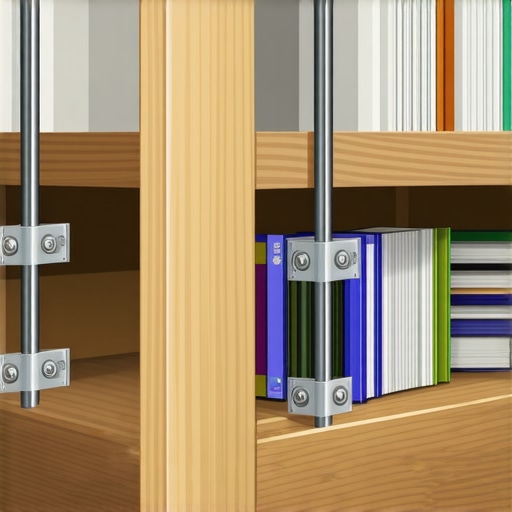
The secret to keeping a heavy home library airborne isn’t magic; it is structural physics. Think of your floating shelf as a diving board. The further your books sit from the wall, the more leverage they have to pull the top of your bracket out of the stud. To counter this rotational force, you need to upgrade the skeleton. When I built a custom study wall for a client who wanted to display thick, leather-bound legal encyclopedias, I realized standard metal rods would bend like wet noodles under that stress. My solution was to integrate internal steel stiffeners into the design. Using internal steel stiffeners inside the core shelf construction ensures the wood cannot flex, transforming the shelf into a rigid beam that distributes weight evenly back to the wall anchors.
Locate and Prep Your Real Wood Anchors
Never trust drywall alone, no matter how advanced the anchor claims to be. You must anchor directly into the center of your wall studs. I use a deep-scanning stud finder and verify the edges with a thin finishing nail. Once identified, you need to map out your mounting points. If your studs are slightly off-center from where you want the shelf to sit, you cannot just compromise on safety. Instead of cheating the shelf over and missing a stud, use a dedicated steel support plate that spans the gap between the studs, allowing you to mount the bracket exactly where you need it. This is similar to using a stud bypassing plate for heavy bathroom fixtures, which allows for off-center alignment without sacrificing structural integrity.
Secure with Heavy-Duty Structural Screws
Skip the drywall screws and the standard wood screws that come in the retail packaging. They lack the shear strength required for heavy loads and can snap under sudden tension. I learned this the hard way during an early install when three screws sheared clean off under a load of heavy art manuals, sending the whole unit crashing down. Now, I only use rugged structural cabinet screws or rugged lag bolts with integrated washers. These fasteners grip the wood fibers of your studs with incredible force. Ensure your screws penetrate at least two and a half inches into the meat of the stud itself to handle the leverage force. This high-torque fastening method mirrors the approach used in professional cabinet and furniture work, such as using a structural screw choice to keep heavy-duty work benches completely immobile under hundreds of pounds of pressure.
Build an Internal Ledger Support Network
If you are building your floating shelves from scratch, you can gain a massive mechanical advantage by incorporating a hidden wooden ledger strip. By recessing a strip of solid wood into the back of your shelf unit, you create a flat, continuous cleat that locks directly against the wall. When I remodeled a tight hallway reading nook last year, I routed a deep groove into the back of a thick oak shelf to hide a maple ledger board. It fit so snugly against the wall that you couldn’t see the joint, yet it could easily support my entire weight. This trick is highly effective and widely used in professional installations, matching the strength of a recessed ledger move designed for open-plan kitchens where heavy stoneware and cast iron pots need to sit safely on open display.
When you start looking beyond basic DIY projects, you quickly realize that standard residential construction manuals don’t tell the whole story. Most home improvement enthusiasts believe that if a shelf or vanity is anchored into a wall stud, it is automatically secure. However, this oversimplification ignores the reality of dynamic loads and material fatigue over time. Everyone says that adding more screws is the ultimate solution to sag, but in my experience, adding more fasteners to an improperly engineered joint only accelerates the damage, tearing larger chunks out of your wood studs when gravity inevitably wins.
Why does my heavy vanity move when I lean on it?
It is a common and incredibly frustrating scenario: you spend a weekend installing a beautiful, minimalist bathroom feature, only to find that it flexes slightly every time you wash your hands. Many homeowners assume the drywall is simply soft, but the real issue lies deeper within the wall structure itself. Standard 2×4 framing is designed to bear vertical loads, not the severe pulling and rotational forces exerted by a heavy cantilevered fixture. This is why professionals rely on specialized reinforcing techniques behind the drywall. If you want to eliminate that unsettling movement permanently, you should implement the advanced structural tips found in this guide on how to fix floating vanities that move when leaned on.
A major trap that even experienced builders fall into is ignoring how wood behaves in high-humidity environments. If you install a custom storage unit tightly against your walls without accounting for seasonal wood expansion, the fibers will compress, warp, and eventually push the mounting fasteners straight out of the studs. A study by the Wood Products Association confirms that even kiln-dried lumber can expand up to 1.5% in width when exposed to seasonal humidity shifts. To prevent this destructive movement, I always leave a microscopic expansion gap and use a specialized scribing technique to perfectly fit the cabinet to the wall contour without relying on sheer fastening force alone.
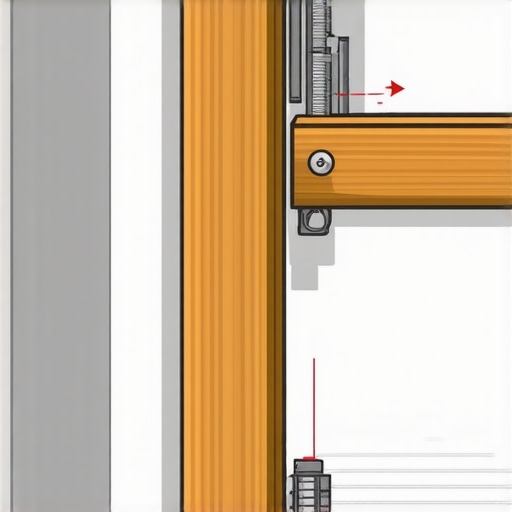
This attention to physical forces is especially critical when dealing with premium, heavy stone countertops. When installing modern bathrooms, many designers skip center supports to keep a clean look, completely forgetting that a heavy stone top will slowly crush a standard cabinet frame over time. For these high-end installations, you must use hidden steel supports to distribute the weight of massive quartz tops safely to the floor, or you risk costly structural failure. Have you ever fallen into this trap? Let me know in the comments.
Once you move past the initial engineering phase, your battle against gravity isn’t finished. Wood is a living material that reacts to seasonal changes, and walls settle over time. If you want your heavy home library, custom media center, or floating bathroom fixtures to remain perfectly level for years to come, you need to think about long-term maintenance, precision tools, and structural monitoring. When I first started installing high-load floating structures, I assumed once they were up, they were up forever. I quickly realized that dynamic loads—like pulling a heavy book off a shelf or leaning on a vanity—create micro-vibrations that can gradually loosen fasteners over a five-year span.
How do I maintain floating shelves and wall-hung joinery over time?
To keep your floating shelves and wall-hung systems safe, schedule a quick structural check-up twice a year, ideally during seasonal humidity transitions. I personally use a digital clinometer or a highly sensitive, long-span level to check for any downward tilt. If you detect a shift of even half a degree, it is time to investigate. Remove the load and check the wall-mounting points for plaster dust, which is a classic warning sign that your fasteners are grinding inside the wall cavity. For large living room installations, utilizing specialized structural systems like those found in my guide on stealth steel cleats for large entertainment centers can prevent these microscopic movements from turning into catastrophic failures.
My absolute favorite tool for diagnostic maintenance is a high-end digital moisture meter. According to wood engineering guidelines published by the National Hardwood Lumber Association (NHLA), interior woodwork should ideally be maintained at a moisture content between 6% and 9%. If your home climbs above 12% in the summer, your shelves will swell, putting immense stress on the internal steel brackets. I use the Wagner Meters Orion 950 dual-depth moisture meter because it allows me to read the moisture levels deep inside the wood core without leaving unsightly pinholes. If you notice a spike in moisture, running a dehumidifier in your study or bathroom is the fastest way to stabilize the wood fibers before they can warp and twist away from their structural anchors.
Looking ahead, the future of home organization lies in smart, heavy-duty integration. Homeowners are increasingly moving away from cheap, disposable furniture toward permanent, high-value built-ins that blend seamlessly with modern architecture. We are already seeing a massive trend toward hybrid metal-and-wood floating systems that can support hundreds of pounds without requiring any visible walls studs, using advanced carbon-fiber structural backing plates. If you are looking to elevate your entire home’s aesthetic while maximizing storage capacity, I highly recommend exploring the layout and design concepts in our resource on built-in storage ideas to declutter your home.
If you are planning your next heavy-duty storage upgrade, do not settle for basic hardware store kits. I challenge you to try just one of the advanced engineering tips we discussed today—whether that is upgrading to high-torque structural cabinet screws or routing a custom recessed wooden ledger into your next project. Your walls, and your prized book collection, will thank you for years to come.
Once you move past the initial engineering phase, your battle against gravity isn’t finished. Wood is a living material that reacts to seasonal changes, and walls settle over time. If you want your heavy home library, custom media center, or floating bathroom fixtures to remain perfectly level for years to come, you need to think about long-term maintenance, precision tools, and structural monitoring. When I first started installing high-load floating structures, I assumed once they were up, they were up forever. I quickly realized that dynamic loads—like pulling a heavy book off a shelf or leaning on a vanity—create micro-vibrations that can gradually loosen fasteners over a five-year span.
How do I maintain floating shelves and wall-hung joinery over time?
To keep your floating shelves and wall-hung systems safe, schedule a quick structural check-up twice a year, ideally during seasonal humidity transitions. I personally use a digital clinometer or a highly sensitive, long-span level to check for any downward tilt. If you detect a shift of even half a degree, it is time to investigate. Remove the load and check the wall-mounting points for plaster dust, which is a classic warning sign that your fasteners are grinding inside the wall cavity. For large living room installations, utilizing specialized structural systems like those found in my guide on 6 stealth steel cleats for large entertainment centers can prevent these microscopic movements from turning into catastrophic failures.
My absolute favorite tool for diagnostic maintenance is a high-end digital moisture meter. According to wood engineering guidelines published by the National Hardwood Lumber Association (NHLA), interior woodwork should ideally be maintained at a moisture content between 6% and 9%. If your home climbs above 12% in the summer, your shelves will swell, putting immense stress on the internal steel brackets. I use the Wagner Meters Orion 950 dual-depth moisture meter because it allows me to read the moisture levels deep inside the wood core without leaving unsightly pinholes. If you notice a spike in moisture, running a dehumidifier in your study or bathroom is the fastest way to stabilize the wood fibers before they can warp and twist away from their structural anchors.
Looking ahead, the future of home organization lies in smart, heavy-duty integration. Homeowners are increasingly moving away from cheap, disposable furniture toward permanent, high-value built-ins that blend seamlessly with modern architecture. We are already seeing a massive trend toward hybrid metal-and-wood floating systems that can support hundreds of pounds without requiring any visible walls studs, using advanced carbon-fiber structural backing plates. If you are looking to elevate your entire home’s aesthetic while maximizing storage capacity, I highly recommend exploring the layout and design concepts in our resource on built-in storage ideas to declutter and enhance your home.
If you are planning your next heavy-duty storage upgrade, do not settle for basic hardware store kits. I challenge you to try just one of the advanced engineering tips we discussed today—whether that is upgrading to high-torque structural cabinet screws or routing a custom recessed wooden ledger into your next project. Your walls, and your prized book collection, will thank you for years to come.
The Hardest Lessons I Learned from Collapsing Walls and Sagging Shelves
Over the years, my workshop has been a laboratory of trial, error, and occasionally, expensive splintered wood. Here are the core structural truths I had to learn the hard way so you do not have to:
- The Illusion of Drywall Strength: No toggle bolt, heavy-duty anchor, or self-drilling plug can defy physics. Under continuous cantilevered stress, drywall will slowly compress, warp, and eventually give way. Always make direct contact with structural framing.
- Screws are Not Just Screws: Standard drywall fasteners are hardened and brittle; they snap easily under shear forces. Structural cabinet screws are engineered to bend rather than sheer, making them non-negotiable for high-load projects.
- Wood Never Stops Moving: A floating shelf or vanity installed flush against dry plaster in the winter will fight back when summer humidity arrives. If you do not account for expansion, the wood will find a way to tear itself away from its fasteners.
The Diagnostic Tools I Keep in My Installation Kit
You cannot achieve professional-grade stability using basic level vials and guesswork. These are the specific tools I rely on to ensure my custom built-ins and heavy-duty shelving units stay locked in place forever:
- Deep-Scanning Stud Finders: I trust multi-scanner tools that detect both wood studs and hidden metal pipes, preventing costly drilling mistakes while finding the exact center of your structural members.
- Digital Clinometers: When a standard bubble level is too vague, a digital clinometer gives you precise decimal-point angles to monitor load-bearing sag over time.
- Wagner Orion 950 Moisture Meter: Pinless technology that allows me to check the internal relative humidity of wood shelving, keeping me ahead of structural warping.
- High-Tensile Steel Brackets: When I cannot build custom internal structures, I skip consumer shelves and source engineered steel plate systems like those explored in our expert guide to flawless vanity installation tricks tips.
Stop Guessing and Start Building for Eternity
At the end of the day, beautiful home design is only as good as the physics supporting it. By upgrading your hardware, embracing internal reinforcing tricks, and keeping a close eye on moisture, you can construct gorgeous, gravity-defying storage solutions that will outlast the house itself. You do not need to be a structural engineer to build safe, stunning shelving—you just need to stop taking shortcuts with your fasteners and framing.
Have you ever had a floating shelf or wall-hung cabinet start to pull away or sag over time? Let me know how you solved it in the comments below.