

I’ll never forget the morning I wrestled with my new granite vanity top, trying to support it beautifully without those clunky brackets. It was an all-too-familiar scene: a shiny, luxurious surface that looked stunning in the showroom but felt awkward and out of place once installed. I was frustrated—not just by the visual clutter but by how the support system threatened to ruin the sleek look I envisioned. Have you ever faced a similar dilemma?
Why Supporting Granite Vanities Without Ugly Brackets Matters
Supporting a heavy granite vanity without resorting to visible brackets isn’t just about aesthetics; it’s about creating a space that feels sophisticated, balanced, and harmonious. The challenge is to hide those support mechanisms while ensuring the vanity remains sturdy and safe. Early on, I made the mistake of trusting generic support brackets, which, although easy to install, screamed for attention and detracted from the overall design. I learned that with a little ingenuity and the right techniques, you can achieve a clean, modern look that lasts for years.
Is Obscure Support Truly Reliable?
Many skeptics worry that hidden supports might not hold up over time. Trust me, I had doubts too. The key is in choosing the right reinforcement methods—like steel plates or concealed brackets—that provide the support you need without sacrificing style. It’s worth noting that improper installation can lead to sagging or damage, so understanding the proper techniques is essential. For a more comprehensive guide on supporting heavy fixtures, check out professional storage solutions.
But don’t worry—I’ll walk you through practical, proven methods that will help you support your vanity perfectly, leaving its appearance pristine and functional. Let’s dive into the details so you can achieve that seamless look you’ve been dreaming of.
Install Steel Plates Deep Inside the Frame
My first real attempt was using steel plates to reinforce the vanity support. I measured the underside of the granite and cut steel sheets slightly smaller than the frame to nestle inside. During installation, I drilled matching holes through the cabinetry and mounted the steel plates with long bolts, ensuring even weight distribution across the frame. The result was a sturdy, invisible reinforcement that didn’t detract from the sleek look. Think of it like adding a backbone inside the support structure, which can be especially useful for heavier stones.
Use Concealed Brackets That Hold From Behind
Choose the Right Hidden Support Hardware
Next, I explored concealed brackets designed for floating vanities. These are anchored to the wall and hidden behind the cabinet’s backing or within the frame itself. I installed them following manufacturer specs, making sure the brackets were level and flush. This method creates the illusion of a floating, unsupported counter but provides reliable support—much like invisible braces for a perfect smile.
Secure Supports with Internal Ledge Systems
I also experimented with built-in ledges made from sturdy materials like plywood or metal framing inside the cabinet. These ledges support the weight of the granite from beneath, hidden behind the cabinet’s face. I measured and cut the ledge components precisely and attached them with heavy-duty screws, ensuring they were perfectly aligned. This internal support acts like a hidden shelf under the surface, distributing weight evenly without any external hardware visible.
Apply Reinforced Mounting Techniques
For mounting the vanity to the wall, I used toggle bolts designed for heavy loads, like the toggle bolt trick shown here. Carefully drilling holes and inserting these secured the entire unit without visible hardware. This method is especially effective when wall conditions are uneven or drywall alone can’t support the weight, acting as a hidden yet robust anchor system.
Implement a Plywood Backing System
One subtle but effective method involved attaching a thick plywood backing inside the cabinet. I fixed the plywood with screws, creating a solid platform for the granite to rest on. The plywood distributes the weight evenly across the cabinet’s frame and ensures stability over time. It’s akin to giving the entire structure a solid foundation, which remains hidden behind the surface but provides critical support.
Layer Support with Adhesives and Mechanical Fasteners
Finally, I combined high-strength construction adhesives with mechanical fasteners for reinforcement. Applying adhesive between the granite and internal supports prevented slipping and added stability. This multi-layer support ensures the vanity remains in place and resists movement, much like securing a heavy picture frame with both nails and adhesive for maximum hold.
All these methods require careful measurement, patience, and sometimes a bit of trial and error. But once perfected, you get a seamlessly supported granite vanity that looks as if it’s floating in mid-air—saving you from unsightly brackets and maintaining that modern, minimalist aesthetic you desire. For more insight into installing vanities efficiently, explore vanity installation hacks that streamline the process and ensure lasting support.
Many homeowners and even seasoned DIY enthusiasts believe they understand the basics of vanities, installation, and built-ins. However, beneath the surface lies a web of misconceptions and overlooked nuances that can trip up even the most careful. Let’s dig deeper into common myths, advanced pitfalls, and what truly distinguishes expert craftsmanship from simplistic approaches.
Myths That Can Sabotage Your Vanity Projects
One widespread misconception is that standard wall anchors and generic fasteners suffice for supporting heavy vanity tops or built-ins. In reality, these materials are often inadequate for mass and repeated stress. Experts recommend integrating reinforced supports like steel plates or concealed steel brackets, ensuring longevity and stability. Relying solely on drywall anchors, especially for sizable stone countertops, increases the risk of sagging or even structural failure over time. For step-by-step guidance, visit vanity installation hacks.
The Hidden Dangers of Overlooking Material Compatibility
Advanced installers understand that mismatched materials can lead to cosmetic and functional issues. For example, installing a heavy granite vanity on MDF or particleboard without adequate reinforcement can cause deformation or collapse. The key is to match support hardware with the load characteristics of your materials—think steel supports over wood for mass-heavy installations. Ignoring these details often results in costly repairs or replacements. A critical aspect here is knowing when to incorporate internal framing or backing systems, which distribute weight evenly and prevent sagging, as discussed in corner cabinet tips.
Why Hidden Supports Require Precision and Expertise
Many assume concealed supports are a quick fix suitable for DIY projects, but that’s a trap. Proper integration demands precise measurements, understanding load distribution, and expert installation techniques. For example, installing steel plates deep inside cabinetry frames to support heavy countertops requires careful planning and execution to avoid misalignment or weak points. Missteps here can cause long-term instability or damage to finishes. Remember, it’s not just about hiding brackets—it’s about creating a support network that lasts. For insights on reinforcement methods, see steel reinforcement techniques.
Are you confident in your support strategies, or have you fallen into one of these traps? Investing in understanding these nuances can save time, money, and frustration down the line. Want to elevate your project? Explore creative built-ins to achieve both style and durability. Share your experiences below or reach out through our contact page — let’s build smarter together!
Tools I Recommend for Lasting Vanities and Storage Solutions
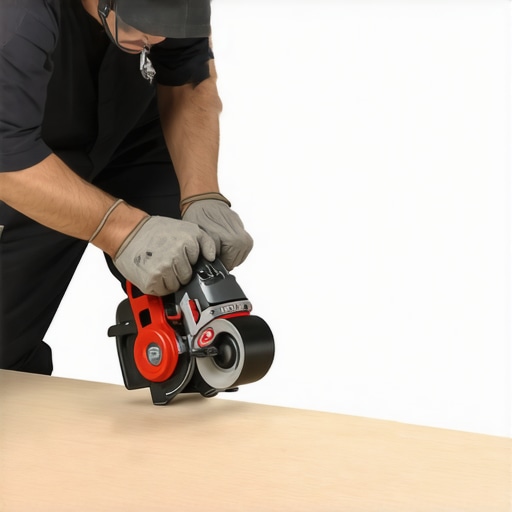
Investing in the right tools is critical to ensuring your custom vanities and built-in storage remain functional and beautiful over time. I personally swear by a high-quality cordless angle grinder with a diamond blade, which I use to cut reinforcement steel or adjust supports precisely. This tool gives me the flexibility to modify supports in tight spaces without creating mess or damage. A digital laser level is another must-have—perfect for aligning support brackets and countertops accurately, preventing long-term sagging or tilting. Using a level with a Bluetooth connection allows me to record the data for future reference, ensuring consistency across multiple projects.
For detailed measurements, I rely on a solid measuring tape combined with a multi-function caliper—crucial when fitting concealed support brackets or internal ledges. A Bosch GLL 3-80 Laser Level, for example, projects multiple horizontal and vertical lines, helping me maintain perfect alignment during installation. When it’s time to drill or reinforce walls, I prefer a hammer drill with adjustable torque settings and a high-power core drill bit, especially when working with concrete or steel supports. These tools reduce fatigue and provide precise control, making reinforcement work safer and more efficient.
To manage the supporting hardware effectively, I recommend using specific software tools like SketchUp or 3D modeling programs that help visualize internal supports before drilling. This foresight prevents costly mistakes and ensures supports are placed exactly where they need to be, especially when working within tight or unconventional spaces. Additionally, for cleaning up after reinforcement or modifications, a compact shop vacuum equipped with HEPA filters keeps dust to a minimum and maintains a tidy workspace—vital for precise assembly and long-term durability.
Predicting where this trend is headed, I believe that smart, connected tools will play an increasing role. Imagine laser levels that sync with your smartphone to provide real-time feedback or reinforcement sensors that alert you when supports are compromised. Keeping your tools and techniques up-to-date may seem daunting, but it’s the best way to ensure your vanities and built-ins stand the test of time.
How do I maintain my vanities and storage solutions over time?
Regular inspection is key—check for signs of movement, loosening supports, or water damage. Cleaning supports and hardware with non-corrosive lubricants helps prevent rust, especially in humid environments. For wooden parts, applying a sealant or protective finish annually preserves integrity against moisture. If you notice any wobbling or misalignment, revisit your supports: tightening bolts, realigning brackets, or adding reinforcement as needed. Learning to recognize early signs of wear can save you from major repair jobs down the line. For tips on optimizing storage space and making maintenance easier, browse smart storage solutions to keep everything accessible and tidy. Remember, keeping your setups in top shape isn’t a one-time effort—it’s an ongoing process that preserves your investment and enhances your home’s value.
After navigating countless installations and encountering numerous hurdles, I realized that the key to a stunning, durable granite vanity isn’t just in choosing the right materials—it’s in how you support and reinforce them subtly. The most memorable breakthroughs often come from unexpected sources, like a simple steel plate or a clever internal ledge, transforming a wobbly, unsightly support into a hidden masterpiece of engineering. Trust me, the difference between a support that’s visibly clunky and one that’s seamlessly invisible is a lesson worth learning.
What I Wish I Knew When I Started
- The importance of internal reinforcement: Reinforcing supports within the cabinetry ensures stability without sacrificing aesthetics. A hidden steel plate or an internal plywood backing can make all the difference in supporting heavy granite tops over time.
- Patience over haste: Rushing through support installation often leads to long-term issues. Taking time to measure, plan, and carefully implement concealed supports guarantees a sleek, professional finish that endures.
- Material compatibility matters: Not all supports are created equal. Matching reinforcement materials to your stone’s weight and your cabinet’s structure prevents sagging or damage, saving frustration and money down the line.
- Precision is everything: Using laser levels, calipers, and detailed schematics can elevate your support system from okay to outstanding. Small alignment errors can cause wobbling or uneven surfaces, so invest in quality tools and a meticulous approach.
- Never underestimate the power of layered support: Combining adhesives, mechanical fasteners, and internal bracing creates a support web that’s both resilient and discreet, ensuring your vanity remains pristine and stable for years to come.
Tools That Turn Support Dreams Into Reality
- Diamond blade angle grinder: Essential for customizing reinforcement pieces and making precise cuts that fit perfectly inside your cabinetry.
- High-quality laser level: Ensures your supports, brackets, and mounting are perfectly aligned, preventing future sagging or tilting.
- Multi-function caliper: Helps measure internal dimensions accurately, vital for internal ledges or concealed brackets placement.
- SketchUp or 3D modeling software: Visualize your support systems before cutting or installing, reducing costly mistakes and refining your approach.
Your Next Step Toward Flawless Vanities
Embarking on the journey to create a hidden support system for your granite vanity might seem daunting at first, but with patience, the right tools, and a keen eye for detail, you can achieve a professional result that elevates your space. Remember, the sophistication of your project lies in the support—make it invisible, but make it count. For more advanced tips or specific reinforcement techniques, explore our support strategies for heavy stone vanities and turn your vision into reality.