I used to walk into my bathroom and feel overwhelmed every time I tried to find that one elusive item—my favorite moisturizer or the extra roll of toilet paper. No matter how much I tidied, clutter kept creeping back, and I couldn’t shake that constant feeling of chaos. It was a lightbulb moment when I realized that the issue wasn’t just about being messy; it was about my storage solutions being outdated and inefficient. That’s when I started exploring smart built-in cabinets and top installation techniques, and let me tell you, it changed my entire home experience.
Why Smart Built-ins Are a Game-Changer for Your Home
Our homes are getting smaller, but our stuff keeps growing. According to a report by the National Association of Home Builders, space utilization is the biggest challenge homeowners face today. If you’re nodding along, you’re not alone. I found that upgrading to built-in storage options was the key to reclaiming space and bringing order to my cluttered rooms. Not only did it make my home look sleek and modern, but I also discovered that smart installation practices can save you time and money in the long run. Curious about how these systems work? Visit this guide for effortless solutions that can instantly boost your home’s functionality and style.
Measure Twice, Cut Once to Set the Foundation
Before you jump into the installation, take precise measurements of your space. I remember the time I rushed without double-checking, only to realize my cabinet was too wide after everything was assembled. Use a reliable tape measure, note down dimensions, and mark your wall with a pencil. For accuracy, consider using a level to ensure your measurements are perfectly horizontal or vertical, preventing crooked installations. Proper initial measurements are like the backbone of your project, ensuring everything fits seamlessly and functions properly.
Choose the Right Materials for Long-Term Durability
Select sturdy, moisture-resistant materials such as plywood or MDF with a melamine finish for bathrooms. Think of your chosen material as the bodyguard of your storage; it needs to withstand daily wear. During my last project, I opted for waterproof MDF, which handled humidity without warping, making my storage long-lasting. When ordering materials, double-check dimensions and quality to avoid surprises. High-quality materials smooth out your installation process and improve the final look.
Prepare Your Space and Tools for a Smooth Journey
Clear the area of obstacles and lay down protective sheets to prevent damage. Gather essential tools: drill, screwdriver, stud finder, level, tape measure, and safety gear. I once skipped this prep and ended up making a mess—drill bits missing, tools misplaced—and wasted precious time. Organize your tools beforehand; it’s your support team. Having everything ready transforms the installation into a manageable task rather than a chaotic scramble and ensures you maintain safety and efficiency.
Mark Out the Placement Spot Precisely
Use a pencil and level to mark where your built-ins will go. Align your markings with existing structures like door frames and windows. During my previous attempt, I measured twice but marked once, which resulted in a misaligned cabinet. To prevent this, double-check measurements and use painter’s tape for lasting guides. Accurate marking ensures your built-in integrates seamlessly into the space, avoiding awkward gaps or uneven lines.
Secure Wall Anchors and Mounting Brackets First
Install heavy-duty wall anchors or brackets to support the weight of your cabinets or vanities. Think of these as the anchors of a ship—they keep everything steady. In my project, I used toggle bolts in drywall to ensure maximum support. Use a stud finder to locate studs; attach mounting brackets directly into them for maximum stability. Skipping this step risks your storage unit becoming unstable or falling over, especially if loaded unevenly. Proper anchoring is critical for safety and long-term performance.
Assemble Components with Methodical Precision
Follow your design plans step-by-step, tightening all screws and joints firmly. Use screws suited for your materials to prevent splitting. When I assembled my built-in, I laid out all parts on the floor first, then connected each piece systematically. Marking screw holes with masking tape helped me align components accurately. Assembly should be deliberate—rushing leads to misaligned panels or loose joints, undermining durability and appearance. A meticulous approach saves time revisiting mistakes later.
Attach and Level Your Built-Ins Carefully
Position your cabinet or vanity in place, align edges, and ensure it’s level. Use a carpenter’s level or a smartphone app for precision. I once installed a vanity and thought it looked fine, only to realize it was tilted after a week. To correct this, I used small shims under one side during installation. Leveling prevents doors from swinging open on their own and ensures comfortable access. Take your time here; small adjustments make a big difference.
Finish with Secure Doors and Hardware
Attach cabinet doors, handles, and hinges last. Ensure doors open smoothly and align correctly. During my recent project, I used a template to drill holes for handles, ensuring uniformity. Test all moving parts thoroughly before finalizing. Proper hardware installation not only enhances aesthetics but also ensures functionality and ease of use. Double-check hinges and handles are tight, preventing any rattling or misalignment over time.
While it might seem straightforward to choose and install built-in storage or vanity units, there’s a wealth of subtleties that even seasoned DIYers often miss. A common myth is that any constructed-in solution can seamlessly blend into your space; in reality, the devil is in the details. Overlooking minor but critical aspects like precise wall framing or the specifics of moisture-resistant materials can lead to costly mistakes and frustration down the line. For example, many assume that standard drywall is sufficient for bathroom vanities, but expert advice recommends using waterproof panels to avoid warping and mold issues, as highlighted in recent research on bathroom renovations. Navigating these nuances requires a keen eye for detail and experience, especially when dealing with complex configurations or unconventional spaces.
What’s the biggest installation mistake even experienced homeowners make with built-in cabinets?
The answer often lies in misestimating load-bearing capacities or neglecting proper anchoring into wall studs, which compromises safety and stability. Failing to double-check stud locations or ignoring the weight limits of certain materials can turn an elegant fixture into a hazardous one. Furthermore, many underestimate the importance of integrating ventilation considerations, particularly when installing enclosed vanity cabinets, to prevent moisture buildup and subsequent damage. An advanced mistake involves not accounting for future modifications; a built-in should allow flexibility for upgrades or reconfigurations, which means planning for access panels and hidden fasteners from the start. Professional installation guides emphasize that thorough planning and understanding these nuanced aspects can save you time and money in the long run.
Have you ever fallen into this trap? Let me know in the comments.
For deeper insights on expert installation techniques and to avoid common pitfalls, check out this resource. Remember, mastering these details not only elevates your home’s aesthetic but ensures safety and durability for years to come.When it comes to maintaining your custom built-ins and vanities, having the right tools and methods can make all the difference. Personally, I swear by a digital caliper for precise measurements, ensuring every panel fits perfectly, reducing errors during installation. A cordless impact driver with adjustable torque settings is invaluable—I use mine to assemble furniture quickly without over-tightening, which prevents damage to delicate materials. For aligning doors and panels, I rely on a high-quality laser level, which provides consistent, precise horizontal and vertical lines, cutting down installation time significantly. In addition, I always keep a stud finder with deep scanning capabilities on hand—this helps me locate wall studs effortlessly, especially in older homes, ensuring sturdy, safe mounting.
To keep my tools in top condition, I regularly clean and calibrate them, especially my laser level, which can lose accuracy over time. I also invest in quality drill bits and screwdriver heads, as cheap accessories tend to strip or break, costing more in the long run. Utilizing a power sanders with variable speed settings is another tip for finishing surfaces smoothly before sealing or painting, which enhances both durability and appearance.
Predicted trends indicate an uptick in smart tools, like app-connected laser levels and digital task planners, which could further streamline DIY projects. These innovations promise increased accuracy and efficiency—aiming for a future where home upgrades are even more seamless.
<|im_end|>For ongoing success, I recommend integrating a digital checklist app linked to your measurement and planning process—this keeps your project on track and helps prevent overlooked details. For example, using a detailed virtual planning system can help visualize your storage solutions before making the first cut. Consider trying a smart level device that connects to your smartphone; it provides real-time feedback during installation, reducing guesswork and mistakes.
Have you tried any of these tools or plan to incorporate them into your next project? Share your experience in the comments, or explore more expert advice on maintaining your installations effectively at this resource. Remember, mastering the right tools sets a strong foundation for long-lasting, professional results—so don’t shy away from investing in quality gear that elevates your craftsmanship.Over time, I realized that the most valuable lessons about installing and designing built-in storage came from my own mistakes and experiments. One key insight was that precision measurement isn’t just a step—it’s the foundation of a flawless finish. Recognizing that even minor misalignments can ripple into bigger problems taught me to double-check every mark and level before proceeding. Additionally, I learned that selecting moisture-resistant, durable materials isn’t just for longevity but also for peace of mind, especially in bathroom environments prone to humidity. Balancing aesthetic appeal with functional placement, I discovered, requires thoughtful planning and patience, ensuring each piece complements the space and meets my daily needs. Lastly, embracing the process as a learning experience changed my mindset; instead of seeing mistakes as setbacks, I viewed them as stepping stones to mastery, making each project more satisfying and less stressful.
Related Posts
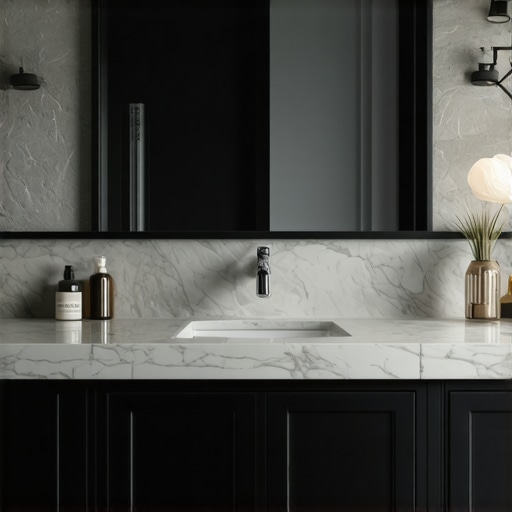
Smart Built-in Cabinets & Vanities: Expert Installation & Storage Tips
I vividly remember the frustration of opening a bathroom cabinet…
5 Unexpected Locations for Custom Built-ins in 2026
Ever found yourself desperately scrubbing the last inch of clutter…
![Stop Heavy Built-ins From Tearing Off Drywall: 5 Fixes [2026]](https://customcabinetrypro.com/wp-content/uploads/2026/04/Stop-Heavy-Built-ins-From-Tearing-Off-Drywall-5-Fixes-2026.jpeg)
Stop Heavy Built-ins From Tearing Off Drywall: 5 Fixes [2026]
I vividly remember the first time I installed a heavy…