I’ll never forget the moment I realized my sleek, floating vanity was hanging just a tad too low. It looked perfect in the photos, but during installation, I faced a tricky obstacle: fitting the plumbing in a tight space without sacrificing style or stability. Frustration simmered as I wrestled with awkward angles, trying to get everything to line up. That lightbulb moment hit me—there’s got to be a better way to tackle tight vanity installs without turning the job into a full-blown nightmare.
Why Saving Time and Ensuring Stability Matters More Than Ever
In 2026, our bathrooms are more than just functional spaces—they’re showcases of modern design. Floating vanities, especially in compact or irregular spaces, demand precision. The stakes are high: improperly installed plumbing can lead to leaks, sagging, or even costly repairs down the road. According to HomeAdvisor, improper plumbing or support is the most common cause of vanity failure, which can result in serious water damage and structural issues. It’s no wonder professionals focus on smarter, more reliable installation hacks now. Having faced a few gut-wrenching mishaps early in my career, I learned that quick fixes often lead to long-term problems. The key is knowing proven, professional-grade tricks to get the job done right the first time.
Will These Hacks Work for Every Space? You Might Be Skeptical
I admit, when I first started exploring these techniques, I wondered if they were just gimmicks. I had made my share of mistakes—once, I ignored the importance of proper bracketing, leading to a sagging vanity just a year later. That experience taught me to choose quality hardware and precise measurements over quick fixes. Since then, I’ve refined my approach with some game-changing plumbing hacks that really make a difference. If you’ve struggled with tight spaces or worried about stability, stick around. These tips are rooted in real-world experience and aligned with current best practices in bathroom renovation—for example, see how expert installation tips emphasize support and durability in confined areas.
Now, let’s dive into the practical steps that will transform your vanity installation process—saving you time, headaches, and future repairs. Ready to make your DIY bathroom upgrade smoother than ever? Let’s get started!
Prep the Space and Gather Essential Tools
Begin by clearing the area and measuring the exact dimensions where the vanity will sit. Use a reliable level, tape measure, pencil, and a cordless drill as your core tools. I vividly recall a project where inaccurate measurements led to a crooked vanity; double-checking measurements before drilling saved the entire installation. Having all tools at hand minimizes interruptions and keeps the process streamlined. For compact or tricky spaces, consider using adjustable support brackets, which can be fine-tuned during installation, making alignment easier.
Secure a Stable Mounting Frame or Support System
Identify Anchor Points Carefully
Locate wall studs using a stud finder; mark their positions accurately. In tight corners, sometimes studs are not directly accessible, and you’ll need to install wall anchors rated for the weight of your vanity. I once installed a floating vanity in a rental bathroom where studs were oddly spaced; I used heavy-duty toggle bolts to ensure stability. Think of anchors as the bones that hold everything together—skipping this step compromises support and safety.
Use a Level to Achieve Perfect Placement
Place a level on the mounting surface while attaching support brackets or the vanity frame. Never eyeball this step; a crooked vanity is unsightly and can lead to plumbing misalignments. I learned this the hard way when my first attempt resulted in a visibly slanted finish. Micro-adjust support brackets while checking with the level to ensure everything is plumb. This is especially critical in small bathrooms where even minor tilts are noticeable.
Connect Plumbing with Precision and Care
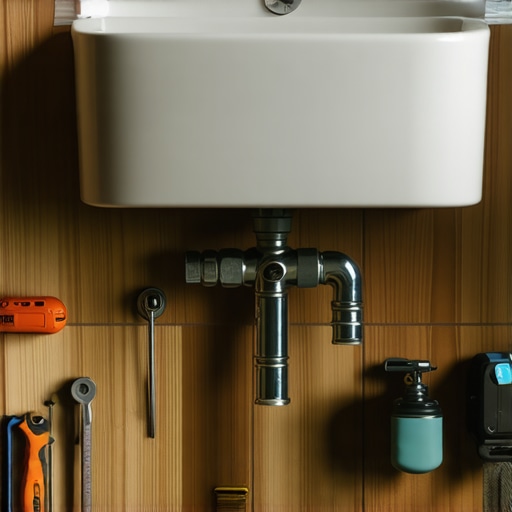
With the support structure in place, now focus on plumbing. Turn off water supply before starting. Use flexible supply lines, which can be bent around tight corners—imagine them as adaptable hoses that help avoid stress on fittings. When I installed my vanity, I carved out a small space behind the support frame to accommodate the supply lines, preventing kinks and leaks. Apply Teflon tape to threaded fittings to prevent leaks. Pipe fitting connections should be hand-tightened first, then snugged with a wrench—over-tightening can crack fittings or warp the trim.
Ensure the Vanity is Level and Secure
Once plumbing connections are complete, position the vanity and verify its levelness once more. Use shims if needed beneath the support brackets to level out uneven floors. Secure the vanity to the support system using screws through pre-drilled holes, ensuring they are anchored into wall studs for maximum stability. I once had a vanity shift slightly during testing, which reminded me of the importance of solid anchoring. Always recheck plumbing connections after securing to ensure no undue stress has been introduced.
Final Checks and Tidying Up
Turn on the water supply and check for leaks. Observe the plumbing connections over a few minutes. Wipe down the surrounding area and check that everything is stable. If you notice any wobbling or dripping, tighten connections or add additional support. Remember, this final step is the reassurance that your work will stand the test of time—preventing future headaches and costly repairs. For further ideas on maximizing storage and functionality after installation, consider exploring effortless storage solutions to keep your space organized and stylish.Even seasoned DIY enthusiasts often believe they have the installation process down, but the truth is, many overlook subtle nuances that can make or break a project. One common misconception is that following basic measurements and standard hardware guarantees stability, but details like wall material and support reinforcement play a critical role. For instance, relying solely on wall anchors without understanding the load limits can lead to sagging or even dangerous falls over time. Advanced installers know that the quality of fasteners, the type of wall construction, and the precise reinforcement points make all the difference. A study by the National Association of Home Builders underscores that improper support remains the leading cause of built-in failures, emphasizing the importance of expert support strategies.
Another myth is that storage solutions should be an afterthought. In reality, integrating smart storage during the initial design phase ensures seamless aesthetics and maximum functionality. For example, custom cabinetry that considers door swing and clearance reduces clutter and avoids costly modifications later. Innovators in space management suggest that well-planned built-ins can double your storage capacity without expanding your footprint—check out this guide to creative built-ins for inspiration.
Most people also underestimate the importance of securing heavy or fragile elements with properly engineered supports. A common mistake is assuming that standard brackets are enough, but heavy stone vanities or intricate shelving need specialized reinforcement—think steel brackets or multiple anchoring points—especially in older or less sturdy walls. Skipping this can result in wobbly fixtures and costly repairs. For detailed solutions, see the heavy-duty support tips.
What about the process of scribing built-ins to uneven surfaces? This advanced technique often trips up even experienced DIYers. Applying precise measurements and using flexible tools ensures a snug fit, preventing gaps and wobbliness. Misjudging this step can compromise both aesthetics and stability, so investing time here reaps dividends in durability.
In summary, knowing the subtle technicalities—like load distribution, support reinforcement, and surface adaptation—sets apart competent installation from amateur fix-ups. Incorporate these insights early, and your built-ins will stand the test of time. Have you ever fallen into this trap? Let me know in the comments, or browse the expert guide to installation for more advanced strategies.
Choose Tools That Last for Maintenance Confidence
When it comes to maintaining installed vanities or built-in shelves, selecting the right tools makes all the difference. I personally swear by a high-quality cordless impact driver, like the DeWalt DCF887. Its brushless motor provides consistent power, ensuring that you can tighten or loosen fasteners without stripping or slipping, which is critical when adjusting support brackets or fixing support boards over time. Additionally, a digital level like the Bosch GLL 55 helps you verify that your fixtures remain perfectly aligned after months of settling or minor shifts—this small investment saves headaches in the long run. Remember, using the proper tools not only prolongs the lifespan of your installations but also enhances safety and aesthetic appeal.
Applying Protective Measures for Longevity
To keep your built-ins looking brand new, apply a layer of sealant or protective coating tailored to the material—be it plywood, MDF, or natural wood. For painted surfaces, a clear polyurethane helps resist moisture and scratches. I recommend the Minwax Polycrylic Protective Finish because of its clarity and durability. Regularly inspect joints and support points—if you notice any looseness or creaking, re-tighten or reinforce immediately. Over time, these small touch-ups prevent sagging or damage. Consider incorporating slip-on corner guards or edge protectors, especially for shelves prone to bumping, which mitigate chipping and preserve structural integrity.
Future Trends in Maintenance and Support Strategies
As technology advances, so does our ability to monitor the health of our built-ins remotely. Innovative solutions like smart support systems with embedded sensors can alert you when adjustments are needed—imagine receiving a notification if a support bracket starts to weaken. According to Sturdify’s latest report, integrating IoT-enabled support hardware will become standard in high-end renovations during the next decade. Starting now, adopting durable hardware and routine checkups with quality tools sets you ahead of potential issues, saving money and stress in the future.
How do I maintain my bathroom vanity and built-ins over time?
Establish a regular maintenance schedule that includes visual inspections, tightening fasteners, and applying protective finishes as needed. Use a high-quality impact driver for adjustments, and always verify that supports and alignments stay true with a reliable level. Incorporate preventive measures such as sealants and edge protectors to safeguard against moisture and impact damage. For complex or hard-to-reach areas, consider using a digital inspection camera—a small, handheld device that allows you to see behind panels or deep cavities without dismantling everything. Investing in the right supportive hardware and tools now ensures your vanities remain functional and beautiful for years to come. Want to try a pro-level tip? Use a cordless impact driver with adjustable torque settings to fine-tune fasteners without risking over-tightening that could cause future cracks—it’s a game-changer for lasting support. And if you’re looking for expert help, don’t hesitate to reach out to our team for tailored advice or professional maintenance support.
The Hidden Truths That Changed My Approach to Vanities
One surprise I uncovered was how much support reinforcement is overlooked, leading to sagging over time. Early in my projects, I underestimated the importance of selecting the right fasteners, which caused wobbliness and costly fixes. Now, I always prioritize wall material understanding and quality hardware, realizing that these details are what truly ensure longevity. Additionally, I learned that integrating storage during the initial build saves immense trouble later—waiting to add it can compromise your space and aesthetics. And I can’t overstate the value of precise measurement; a small mistake early on can ripple into major misalignments, so double-checking before drilling is a habit worth cultivating. These insights, gained through trial, error, and relentless curiosity, keep my installations stable and stylish.
Related Posts
How to Fix 2026 Corner Vanity Plumbing Alignment Fails Fast
Have you ever stood in front of your bathroom mirror,…

Vanities & Installation Guide: Maximize Space & Style in 2025
My Journey to a Stylish and Space-Saving BathroomLast year, I…
![Fix Wobbly Floating Vanities with Hidden Steel Straps [2026]](https://customcabinetrypro.com/wp-content/uploads/2026/02/Fix-Wobbly-Floating-Vanities-with-Hidden-Steel-Straps-2026.jpeg)
Fix Wobbly Floating Vanities with Hidden Steel Straps [2026]
Imagine standing in your bathroom, reaching for your favorite toiletries,…