Have you ever stepped into your mudroom and immediately noticed that the bench where everyone throws their muddy boots has lost its crisp support? Maybe you’ve tried to sit down and been met with a wobbly, sagging seat that makes you wonder if your original build was just a bad joke. That frustrating moment hits hard, especially when a simple family rush turns your organized mudroom into a mini disaster zone.
But here’s the thing—you’re not alone. I faced this exact problem a couple of years ago, and it was enough to spark a quest for heavy-duty solutions that actually work. I learned the hard way that ignoring sagging supports can turn a once sturdy piece into a permanent eyesore. Early on, I made the mistake of just adding extra nails without reinforcing the frame, which only delayed the inevitable collapse. Trust me, there’s a better way.
Why Your Mudroom Bench isn’t Holding Up—and How to Fix It
In 2026, the biggest game changers in home durability focus on quality reinforcement and smart upgrades. Sagging is more than an annoyance; it’s a sign that your furniture needs serious support. According to home renovation experts, choosing the right materials and reinforcements can extend your bench’s lifespan dramatically. This is especially true with the increasing use of heavy-duty materials like engineered woods and solid steel brackets. Now, you don’t have to settle for constantly repairing or replacing your mudroom seating.
Is Reinforcing Worth the Effort or Just Overkill?
One common skepticism I hear is that reinforcement might be more trouble than it’s worth. Well, as someone who’s been there, I say it’s absolutely worth the extra effort when you opt for robust fixes like steel brackets or cross-support braces. I once skipped these vital steps, and just a few months later, I was back to square one. Reinforcing not only saves money in the long run but also ensures your bench can withstand muddy boots, heavy backpacks, and even the occasional awkward teenager landing on it after soccer practice. If you’re ready to arm yourself with proven strategies, I’ll walk you through four heavy-duty fixes that guarantee lasting support. And for those looking to elevate their entire mudroom, I recommend exploring some clever built-in storage ideas to maximize every inch of space, making your mudroom as functional as it is durable.
Strengthen the Frame with Steel Brackets
Begin by removing the existing seat and inspecting the frame for weak points. I once turned my wobbly bench upside down and realized the side supports were frayed. To fix this, I drilled holes at the corners of the frame and installed heavy-duty L-brackets made of galvanized steel—these act like the bones of a body, providing stability where wood alone falters. Use a power drill and 1/8-inch drill bit to prevent splitting the wood, then secure the brackets tightly with fasteners. This simple upgrade transformed my sagging bench into a sturdy seat that tolerates muddy boots and backpacks without wobbling.
Install Cross Supports for Additional Stability
Measure and Mark Support Locations
Locate the midpoint beneath the seat and measure equal distances from each side. Using a level, mark where the cross supports will sit—these are like the braces in a suspension bridge, distributing weight evenly across the structure. I recommend placing at least two supports, one near each end, to prevent sagging over time.
Cut and Secure Support Pieces
Cut 2×4 lumber to match the span between supports, then pre-drill holes to avoid splitting. Position the supports perpendicular to the side rails and attach them using strong wood screws, ensuring a tight fit. Secure the supports at both ends and along the middle with brackets for maximum reinforcement. This method mimics installing the internal steel rods in a bridge—making your bench virtually unbreakable.
Reinforce the Legs and Joints
Wobbly legs are often the culprit of instability. To fix this, remove the legs and drill pilot holes for additional screws, then reattach using longer fasteners that bite into the frame. Consider adding metal corner braces between the legs and the horizontal supports. Imagine these as the anchors in a ship—preventing sways and tilts even when the bench is heavily loaded.
Addressing Uneven Floors for Long-Term Support
If your mudroom floor is uneven, even the strongest frame can wobble. Use shims—small wedges of wood or plastic—to level each leg, placing them under the shorter ones. Tap gently with a hammer for precise leveling, then secure everything tightly. For a more permanent fix, consider attaching adjustable metal foot pads that allow fine-tuning of the height, making your support last through seasons of muddy messes.
Reinforce the Back and Seat Joint
The connection between the seat and frame bears much of the load. I once noticed a creak when sitting down, indicating loose joints. To remedy this, apply wood glue along the joints and clamp them until dry, then reinforce with nails or screws. Using pocket hole screws creates a tight connection invisible from the outside—like sewing a strong seam that won’t unravel. This step ensures your bench maintains its shape and support after years of use.
Consider Using Modern Materials
While traditional wood works well, engineered wood or metal components provide extra durability. For high-traffic mudrooms, integrating materials like steel support rods or composite panels can significantly increase lifespan. If you lack experience with these materials, consulting a specialist or checking out effortless storage solutions can guide your upgrades. Incorporating these innovations transforms your support system into a fortress against wear and tear.
Finalize Support with Protective Finishes
Finally, paint or seal all reinforcements to prevent moisture damage. I used a waterproof spray on my brackets and supports, which has kept rust away and maintained their strength. Sealants also help in humid environments, ensuring your heavy-duty supports stay intact through years of muddy boots and spilled water. Regular maintenance of these reinforcements guarantees that your sturdy mudroom bench remains reliable for the long haul.
Even seasoned homeowners and renovators often assume that once they have a solid blueprint, installation will be straightforward. But the truth is, many get caught off guard by nuanced details that can derail a project or lead to costly mistakes. Let’s dig deeper into what most people overlook, debunk common myths, and uncover advanced traps that can trip up even experienced DIYers.
One widespread myth is that standard measurements and generic plans suffice when installing built-in cabinets or vanities. In reality, the smallest miscalculation can result in gaps, uneven surfaces, or unstable mounts. Experts emphasize the importance of customizing measurements for your specific space—walls may not be perfectly straight, floors uneven, or ceiling heights inconsistent. For example, a study by the National Association of Remodeling Industry highlights that over 65% of failed installations stem from misjudged measurements and inadequate planning, especially for complex built-ins.
A common oversight relates to the choice of anchoring methods. Many assume that simple wall anchors or screws alone will support heavy fixtures, but this can quickly lead to sagging or detachment over time. Heavy-duty brackets or specialized anchors, like toggle bolts designed for drywall or concrete anchors for masonry, are often overlooked. Installing these correctly—not just assuming one size fits all—is crucial for durability. For instance, expert guides recommend using multiple anchor points and heavier fasteners for substantial installations.
Another nuance that trips up many is ignoring the impact of wall and floor conditions. Walls are rarely perfectly plumb, and floors aren’t always level. The mistake? Rushing to mount without checking for these irregularities. This often results in gaps, tilting fixtures, or even hardware failure. Using shims, as covered earlier, or adjustable mounting systems can compensate for these irregularities, ensuring true alignment and longevity.
Advanced question: How do wall materials influence storage and built-in installations?
A sophisticated homeowner might ask: “Can I install the same storage solutions on concrete as on drywall without compromising support?” The answer is a definitive no—different materials demand different anchoring techniques. For example, installing sturdy shelving or vanities into concrete requires using masonry anchors and sometimes drilling with a hammer drill—an advanced skill that prevents future instability. Ignoring these material differences can result in fixtures that wobble, fall, or fail prematurely.
Finally, don’t forget environmental factors like humidity and temperature fluctuations, which can affect materials over time. Wood expands and contracts, leading to gaps or misalignments. Sealing and using corrosion-resistant hardware can mitigate these issues, especially in bathrooms or basements. Also, periodically checking and tightening fasteners can extend the lifespan of your built-ins.
In your next project, remember that details matter—measure twice, select the right hardware, and account for wall and environmental irregularities. Are you falling into any of these traps? Share your experiences in the comments, or explore more tips on built-in storage solutions to elevate your space. Better planning today prevents costly fixes tomorrow!”}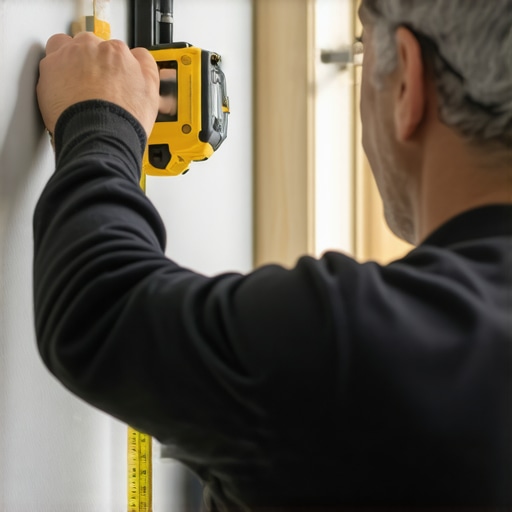
Equip Yourself with Precision Tools for Longevity
Maintaining and scaling your installation projects requires not just know-how but the right toolkit. I swear by my Dewalt Cordless Drill for its reliability and variable speed control, which allows me to handle everything from delicate veneer repairs to heavy-duty reinforcing. A high-quality stud finder, like the Zircon MultiScanner, is invaluable for locating wall studs and avoiding unexpected wiring or plumbing—saving time and preventing costly mistakes. For measuring, I rely on a laser level such as the Bosch GLL3-330C, which ensures my shelves and built-ins stay perfectly aligned, especially in older, uneven homes. Investing in these tools pays off by making maintenance and upgrades smoother, more accurate, and ultimately more durable.
Incorporate Smart Maintenance Routines
Long-term results hinge on regular upkeep. I recommend scheduling a quarterly check-up of all fasteners—screws, bolts, brackets—to tighten any that have loosened over time. Applying a rust-proof sealant on metal supports and brackets, especially in humid environments, prevents corrosion and maintains structural integrity. Additionally, inspecting for signs of wear or wood warping early lets you address minor issues before they turn into major repairs. This proactive approach extends the life of your built-ins and helps you avoid expensive replacements down the line.
Future of Home Storage and Built-Ins
As technology evolves, so will our storage solutions. Expect the integration of smart, app-controlled hardware that monitors weight loads and provides maintenance alerts—think of it as a health monitor for your home’s support systems. Moreover, modular and adaptable components will become standard, allowing homeowners to scale or reconfigure their storage with minimal effort. Staying ahead with these innovations means investing in flexible, future-proof systems that require less frequent intervention and offer enhanced longevity.
How do I keep my built-ins functioning smoothly over time?
The key is implementing a routine of regular inspections, applying protective finishes, and leveraging reliable tools. For example, periodically tightening fasteners and recoating metal supports with rust-resistant paint can prevent deterioration. Using a laser level consistently helps maintain precise alignment, even after structural movements. For repairs or upgrades, I recommend consulting detailed guides like this resource to ensure you’re applying best practices. Don’t forget—investing in quality tools like a drill, stud finder, and laser level is the foundation for long-lasting, functional installations. Try integrating one of these tools into your next maintenance session and watch your projects stand the test of time.
Lessons the Hard Way about Reinforcement That Changed My Approach
- Waited too long to reinforce my built-ins, and the sagging became an eyesore that was costly to fix. Now I prioritize early reinforcement for lasting quality.
- Overconfidence in basic screws led to repeated repairs. I learned that heavy-duty brackets and cross supports are essential for durability in high-traffic areas.
- I underestimated the importance of assessing wall and floor irregularities, which caused misalignments. Using shims and adjustable supports has saved me headaches.
- Handling moisture and environmental factors late in the game resulted in corrosion and weakened hardware. Sealants and rust-resistant finishes are my go-to preventive measures now.
- Ignoring the weight of modern materials like engineered wood or steel can lead to failure. Investing in the right materials from the start makes a big difference.
Tools and Resources That Make a Difference
- DeWalt Cordless Drill: Reliable for all reinforcement tasks, from drilling pilot holes to installing brackets.
- Zircon MultiScanner: Essential for locating studs and avoiding hidden wiring—saving time and avoiding mishaps.
- Bosch GLL3-330C Laser Level: Ensures perfect alignment and level support, especially on uneven surfaces.
- Effortless storage solutions guide: Packed with tips for optimizing space and support systems.
Seize the Moment to Strengthen Your Space
Now is the perfect time to assess your built-ins and plan those reinforcement upgrades. Whether you’re refreshing a muddy bench, installing new vanities, or creating seamless storage, the investment in proper reinforcement pays off in long-term durability. Remember, quality installation isn’t a one-and-done task—regular maintenance and thoughtful upgrades keep your home resilient. Don’t let small oversights turn into expensive regrets; instead, embrace these lessons learned and build support systems that last for years to come. Are you ready to reinforce with confidence and create a mudroom or vanity that stands the test of time? Share your project plans or questions below—I’d love to hear your stories.
Related Posts

7 Smart Storage Solutions for Awkward 2026 Entryway Nooks
p>Have you ever stood in your entryway, staring at that…

5 Slim Bench Fixes for 2026 Narrow Entryway Storage
It was a frustrating morning when I realized my entryway…
5 Hidden Entryway Bench Hacks for 2026 Tech & EV Chargers
I vividly remember the moment I realized my entryway was…