I remember the exact moment I realized my bathroom vanity was more of a wobble than a fixture. A simple morning routine turned into a balancing act, as I desperately tried to steady a vanity that refused to stay put. That lightbulb moment made me realize how common and frustrating this problem truly is. Wobbly vanities aren’t just an annoyance—they can lead to damage, leaks, or worse, injury. If you’ve ever felt that sinking dread when your sink starts to shake every time you brush your teeth, you’re not alone.
Why Wobbly Vanities Need Your Attention Now
A shaky vanity can seem like a minor issue at first. But over time, this instability can cause grout cracks, loosening of fixtures, and can even compromise the plumbing connections. And trust me, the last thing you want is to deal with a bathroom flood or costly repairs because of something preventable. The good news? Most wobbling problems are fixable with the right techniques and a touch of know-how.
Beyond the immediate inconvenience, a secure vanity adds to your home’s overall safety and aesthetic appeal. Imagine the peace of mind knowing your vanity is rock solid, offering reliable storage and a sturdy surface for your daily routines. Plus, a well-installed vanity can boost your bathroom’s value and prevent future headaches. According to a recent survey, over 60% of homeowners reported repairs from improperly installed fixtures due to wobbling or instability (source: Home Improvement Research Institute, 2024). That statistic was a real eye-opener for me.
But let’s be honest—my early attempts at fixing my vanity? Not so stellar. I made a common mistake: trying to tighten everything blindly without assessing the root cause. That only made the wobble worse. If you’re ready to skip missteps and get your vanity firmly in place, I’ll walk you through the essentials.
Have you faced the frustration of a loose or wobbly bathroom vanity? If yes, stay tuned. The next section will arm you with step-by-step strategies to achieve a secure, long-lasting mount. Whether you’re DIY-inclined or looking to hire the pros, understanding these fundamentals will save you time and money. For more guidance on efficient installation techniques, check out [Vanity Installation Hacks That Save Time and Money](https://customcabinetrypro.com/vanity-installation-hacks-that-save-time-and-money). Let’s turn that wobbly nightmare into a rock-solid reality.
Assess the Root Cause Before You Begin
Start by examining your vanity to identify why it wobbles. Is it loose mounting brackets, uneven flooring, or shifting hardware? I learned this the hard way when I ignored the visual wobble and tried tightening screws blindly, which only worsened the instability. Carefully inspect the connections beneath the vanity and the floor level. Use a level tool to check if the surface is flat; if not, leveling the floor or adjusting the vanity’s base is essential.
Gather Necessary Tools and Materials
Prepare a set of tools: a screwdriver, adjustable wrench, shims, mounting brackets, and possibly a drill. Keep in mind that shims are like tiny wedges—they can stabilize uneven surfaces and are often overlooked. During my last fix, I used plastic shims to fill gaps between the vanity and the wall, which prevented future wobbling. If your hardware is damaged or missing, replacing brackets or screws will be necessary. Consult your vanity’s manual or online guides to ensure compatibility.
Lift and Reposition the Vanity Carefully
Before proceeding, have a helper or use proper lifting techniques to avoid injury. Gently lift the front of the vanity and place shims underneath the base where gaps are noticeable. Think of shims as the staircase’s risers—adding enough to create stability without over-tightening the structure. When I did this, I used a level to ensure the vanity sat evenly. Once positioned, tighten the mounting brackets firmly, but avoid overtightening, which might cause cracks or damage.
Secure to the Wall for Extra Stability
If your vanity includes wall-mounted components, anchoring it to studs is crucial. Use a stud finder to locate wall studs, then drill appropriate anchors through the vanity frame into the studs. This step turns a shaky fixture into a sturdy piece, like anchoring a ship to prevent it from swinging. I faced a moment of chaos when I drilled without locating studs—just a thin drywall—and had to redrill properly. This reinforcement prevents future shifts due to daily use or accidental bumps.
Double-Check Everything
After tightening and anchoring, step back and inspect the vanity with a level. Ensure that the surface is flat and that there are no remaining wobble or loose parts. Test it by gently pressing on different areas. In my experience, a small adjustment now saves headaches later. For comprehensive guidance, check out our vanity installation tips.
Finish with Proper Sealing and Adjustments
If you’ve leveled and secured the vanity, seal any gaps around the base with silicone caulk to prevent water damage and dust accumulation. This also gives a clean look and prevents shifting over time. When I completed my last fix, sealing ensured my vanity remained stable despite minor ground settling. Remember, regular inspections can catch wobbling early, saving you from bigger repairs. To explore the latest trends in vanity design, visit vanity trends 2025.
Many homeowners operate under misconceptions when it comes to installing and optimizing storage, vanities, and built-in furniture. A pervasive myth is that more storage always equals better organization, but in reality, the placement, accessibility, and integration are crucial; adding excessive compartments can complicate access and clutter the space. Advanced design reveals that strategic concealment often outperforms overt shelving, maintaining aesthetics while maximizing utility—something I realized after exploring expert-designed built-ins. One trap to avoid is installing storage without considering future needs or potential modifications, which can lead to costly redesigns. For instance, permanent fixtures might limit flexibility; instead, adjustable shelves or modular units afford adaptability, a nuance often overlooked in DIY projects.
Why do many storage solutions become outdated or inefficient over time?
This happens because homeowners or even professionals sometimes focus solely on the current utility without accounting for evolving needs or technological integrations—like smart-home systems—that can enhance functionality. Incorporating these elements requires a nuanced understanding of both design principles and future-proofing strategies. A recent study by the National Association of Home Builders emphasizes that adaptable storage designs can increase a home’s value by 15% and reduce renovation costs in the long run. So, the key to successful storage is not just about fitting everything in but doing so with foresight, style, and ease of access. When installing vanities or built-ins, precision matters; improper measurements or ignoring structural considerations can lead to instability or misalignment—mistakes I’ve made that cost both time and money. Always double-check measurements and consider professional advice when necessary; even seemingly simple installations can benefit from expert optimization. For more on seamless integration, visit our guide on [storage solutions built-ins](https://customcabinetrypro.com/storage-solutions-built-ins-expert-tips-for-seamless-installation-in-2025). Remember, the devil is in the details—making sure everything fits perfectly and functions intuitively saves headaches down the line. If you’re planning a renovation or upgrade, it pays to understand the nuanced differences between DIY and professional installation; exploring [vanity installation hacks](https://customcabinetrypro.com/vanity-installation-hacks-that-save-time-and-money) can help you avoid common pitfalls and ensure your investment lasts for years.
Keep It Running: Tools I Recommend for Storage and Vanities
Maintaining your built-in storage and vanity installations requires not only proper routine care but also the right tools to ensure longevity and performance. Over the years, I’ve found that investing in high-quality equipment simplifies the upkeep process and prevents costly repairs. First and foremost, a cordless drill with a set of precision bits has become indispensable. I use it for tightening loose fixtures, installing new hardware, or making adjustments without the hassle of cumbersome cords. Its portability allows me to work quickly in tight spaces, saving time and reducing frustration.
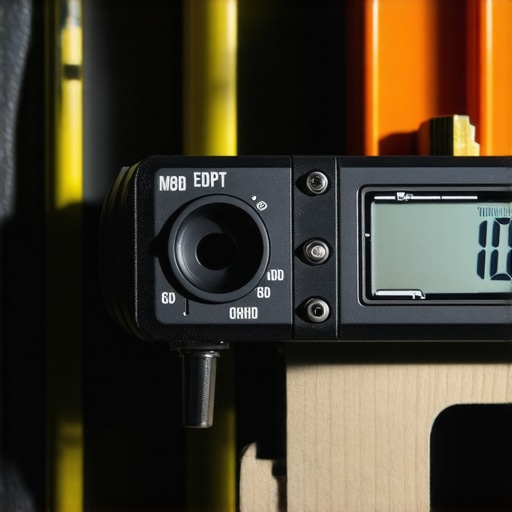
Next, I swear by a digital level. Unlike traditional bubble levels, a digital level provides precise readings, which are crucial when aligning shelves or ensuring that built-ins are perfectly level. Accurate leveling prevents early wear and keeps everything functioning smoothly. I personally prefer models with a backlit display, making it easier to work in dimly lit areas of the bathroom or closet.
For cleaning and preventative maintenance, I rely on a microfiber cloth and an anti-corrosion spray. Regular wiping down of metal fixtures prevents buildup of grime and moisture, which can lead to rust or hardware degradation. The anti-corrosion spray acts as a protective barrier, especially for fixtures exposed to humidity, extending their lifespan.
When addressing plumbing components beneath vanities, a flare nut wrench proves invaluable. I use it to tighten fittings without damaging delicate pipes, ensuring leak-free operation over time. This specific tool offers better grip and control, making repairs more efficient and safer.
How do I keep my storage systems functioning over time?
Adopting a scheduled maintenance routine is essential. Every six months, I inspect all fixtures and hardware, tightening any loose screws, checking for signs of corrosion, and ensuring that wall anchors remain secure. For larger projects, employing software like SketchUp allows me to visualize modifications and plan future upgrades effectively. Incorporating these tools into your maintenance regimen guarantees your storage solutions stay pristine and functional. For detailed guidance on advanced installation techniques, consider reviewing vanity installation hacks.
Looking ahead, I predict that smart maintenance devices will play an increasing role, providing real-time alerts for hardware wear or moisture issues. Embracing these innovations now can set the stage for a durable, worry-free home environment. Don’t hesitate to try implementing a digital level or schedule regular inspections—small investments that pay off by preventing big problems.
Lessons from My Hidden Pitfalls in Bathroom Upgrades
One of my biggest surprises was realizing that rushing into vanity installation without thorough measurement led to repeated wobbling issues, wasting time and money. I once believed that securing the hardware tightly was enough, only to find hours later that uneven flooring caused persistent instability, highlighting the importance of inspecting the floor first. A major misconception I had was thinking more storage always means better organization; strategic placement and accessibility are key to functional spaces. These insights taught me that patience, careful planning, and understanding materials are essential for a successful bathroom transformation.
Tools and Resources That Changed My Approach
Investing in a high-quality digital level transformed how I aligned built-ins, ensuring perfect symmetry that wouldn’t be compromised over time. The vanity installation guide provided step-by-step clarity, saving me from costly mistakes and deepening my understanding of proper procedures. I rely on a sturdy cordless drill for adjustments and a set of quality screws specifically designed for moisture-rich environments. For inspiration, I turn to the latest trends on top vanity designs of 2025, helping me merge style with functionality seamlessly.
Choose Your Next Step with Confidence
Embarking on a bathroom upgrade might seem daunting, but armed with insights into installation precision and strategic storage, you can create a space that’s both stunning and durable. Remember, a little knowledge goes a long way—taking your time to plan and utilizing trusted resources will ensure your vanity and built-ins outperform expectations. Don’t shy away from experimenting with innovative storage ideas or consulting professionals when necessary; your effort will pay off with a beautiful, organized sanctuary. Are you ready to transform your bathroom into a personalized retreat? Share your plans below and let’s inspire each other to take the leap!
One Reply to “Fixing Wobbly Bathroom Vanities: 2026 Guide to Rock-Solid Mounts”
Leave a Reply
Related Posts
![Avoid These 4 Common Kitchen & Bathroom Vanities Gaps [2026]](https://customcabinetrypro.com/wp-content/uploads/2026/02/Avoid-These-4-Common-Kitchen-Bathroom-Vanities-Gaps-2026.jpeg)
Avoid These 4 Common Kitchen & Bathroom Vanities Gaps [2026]
Have you ever opened a bathroom vanity or kitchen cabinet…
5 Costly Bathroom Vanity Installation Errors to Fix in 2026
I still remember the moment my bathroom vanity slipped unexpectedly…

Expert Guide to Installation & Storage Solutions for Vanities in 2025
It was a typical Saturday when I finally realized my…
Reading through this guide really resonated with me, especially the part about checking the floor’s level before attempting to secure the vanity. I once skipped that step during a renovation project, and it ended up costing me extra time and frustration when the wobble returned after a few weeks. Shims and wall anchors sound like simple solutions, but I’ve learned that patience and proper inspection are crucial for a lasting fix. I’m curious, when dealing with uneven floors, have any of you found innovative ways to level the vanity if shims alone aren’t enough? I’ve seen some use floor leveling compounds or even custom-milled shims that fit better. Would love to hear other tips or experiences, especially from those who’ve tackled stubborn ground shifts!