I’ll never forget that sinking feeling when I finally installed my new double vanity—only to realize weeks later that one of the drains was crooked, causing a constant drip that just wouldn’t stop. It was a lightbulb moment that made me realize how crucial proper drain alignment is, especially with the more complex setups like double vanities. At first, I thought a simple tweak would fix it, but after a frustrating series of trial and error, I knew I had to dig deeper into what causes these costly fails.
The Hidden Pitfalls of Double Vanity Drain Alignment
If you’ve ever gone through a renovation or DIY project, you understand how tempting it is to rush past critical details. But I learned the hard way that slacking on proper drain alignment can lead to leaks, water damage, and even structural issues that are expensive and disruptive to repair. According to industry experts, improper installation is one of the top reasons for vanity-related plumbing failures, sometimes costing homeowners thousands in repairs.
Wondering if fixing drain alignment is really that vital?
Trust me, I thought a little misalignment wouldn’t hurt. My early mistake was assuming that all drain pipes could be easily adjusted after installation. But I soon discovered that small misalignments can cause big problems down the line. If you’re contemplating a DIY renovation or working with a contractor, understanding the importance of proper alignment can save you from months of headaches and hefty bills. Want to learn exactly how to get it right the first time? Keep reading — I’ll guide you through the common mistakes and the best practices to ensure your double vanity remains leak-free and sturdy for years to come. Not sure if your current setup is off? Check out our detailed guides on vanity installation and storage solutions to start troubleshooting today.
Secure the First Connection
Begin by meticulously aligning the drain flange of your vanity with the corresponding pipe. Use a level or a straightedge to confirm alignment. I once clamped a spare piece of lumber across the pipe to check if it was perfectly straight—this quick trick saved me hours of future leaks. Ensure all gaskets and washers are properly seated, then tighten the connections by hand before finishing with a wrench. This initial step guarantees a firm, leak-proof foundation.
Use a Flexible Pipe for Adjustment
If the drain isn’t perfectly aligned, opt for a flexible PVC pipe segment. I cut a short piece, added a gentle bend, and connected it between the vanity drain outlet and the main pipe. This flexibility allows micro-adjustments to prevent misalignment. During my project, the flexible pipe made a noticeable difference, avoiding costly re-cuts and ensuring a seamless fit. Remember, always verify with a level after adjustments.
Verify Alignment Before Sealing
Before sealing the connections with plumber’s putty or silicone, run water through the drain to check for leaks and proper flow. I recommend temporarily attaching the trap and running the water—this real-world test quickly highlights any misalignments. If water pools or leaks, revisit the connections and fine-tune the fittings. Accurate alignment at this stage prevents future issues and ensures your vanity functions flawlessly.
Prevent Future Shifts with Reinforcement
Once satisfied, stabilize the drain assembly by applying sealant evenly and tightening all fittings securely. For added stability, I used pipe clamps to fix the pipe to the wall studs, reducing stress on the connections. This simple reinforcement stopped movement over time, which can cause misalignment and leaks. Properly secured piping maintains a consistent, leak-free seal for years.
Adjust Double Vanity Drains for Symmetry
In double vanities, symmetrical alignment enhances aesthetics and prevents water flow issues. I measured the distance from each drain to the wall and adjusted the fittings accordingly. Using a tape measure and laser level, I confirmed both outlets were perfectly aligned. Fine-tuning these measurements requires patience but results in a professional finish that resists leaks and looks great. Consistent measurements streamline installation and improve durability.
Incorporate Built-In Storage for Easy Maintenance
To make future adjustments easier, consider integrating accessible panels or removable covers that allow quick access to the drain fittings. I added a small access door behind my vanity to reach the pipes without dismantling entire panels. This proactive step simplifies troubleshooting and repairs down the line, saving time and money. Explore built-in storage ideas for more tips on creating maintenance-friendly spaces.
Final Check and Testing
After completing the alignment, run multiple test cycles with water at varying flow rates. Observe the connections closely for any signs of leaks or misalignment. During my last project, a simple tightening of a fitting fixed a minor drip, saving me from future headaches. Regular testing after installation ensures longevity and peace of mind, preventing minor issues from becoming costly repairs later.
While many believe that selecting pre-made storage units or DIY-installing built-ins guarantees a neat and efficient home, this mindset overlooks critical nuances that can make or break your project’s success. One common myth is that all storage solutions are one-size-fits-all, but in my experience, tailoring designs to specific spaces and user habits is paramount. Failing to do so often results in cluttered, inefficient spaces that require costly modifications later.
Why Generic Solutions Fall Short
The prevailing belief is that off-the-shelf cabinets and simple DIY strategies are sufficient for most needs. However, this overlooks the importance of understanding the unique spatial constraints and usage patterns within your home. For instance, a solution that works well in a spacious closet might be ineffective in a narrow, awkward niche. Rushing into installations without considering these nuances often leads to misfits and wasted resources. For expert insights on optimizing your space, check out custom vanities design tips.
What’s the trap most homeowners overlook with built-ins?
The biggest mistake is neglecting the structural unevenness of walls and floors, especially in older homes. Many assume that framing or drywall adjustments are minor and can be ignored, but this oversight causes gaps, misalignments, and even structural stresses over time. A study by the National Association of Home Builders emphasizes that overlooking foundational irregularities can lead to compromised installations, increased repair costs, and safety hazards. To avoid this, always perform thorough assessments before proceeding with built-in projects.
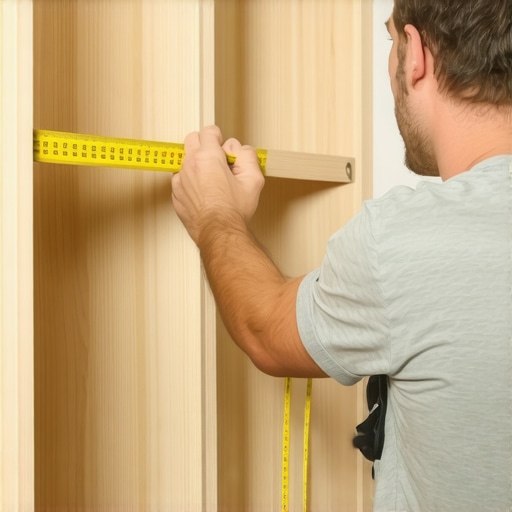
Another subtle aspect that often trips homeowners is the failure to plan for future access or modifications. Incorporating features like removable panels or accessible shelving not only eases ongoing maintenance but also extends the lifespan of your storage solutions. This planning requires foresight and an understanding of potential needs down the line. For innovative ideas on seamless and adaptable built-ins, explore creative built-in solutions for aesthetics and function.
Advanced Mistakes to Avoid During Installation
One advanced mistake is miscalculating load-bearing capacities, especially in heavy-use areas like bathroom vanities or kitchen cabinets. Not accounting for weight distribution can cause sagging, cracking, or even failure of the entire setup. Proper reinforcement techniques, such as steel framing or reinforced brackets, are essential but often overlooked in standard DIY projects. For detailed reinforcement strategies, review reinforcement options for heavy vanities.
Additionally, many underestimate the importance of venting and moisture control in enclosed cabinets, leading to mold, warping, or electrical issues. Correct installation isn’t just about fitting the components; it requires an integrated approach that considers environmental factors. Remember, consulting with professionals and adhering to latest building codes can save significant costs and headaches. For seamless installation guides, visit step-by-step vanity installation guides.
In essence, mastering the nuances of storage solutions and built-in setups entails more than following basic instructions. It demands understanding structural quirks, anticipating future needs, and applying advanced reinforcement techniques. Are you aware of these hidden pitfalls in your projects? What surprises have you encountered along the way? Share your experiences in the comments, and let’s learn from each other’s journey toward better home organization.
Maintaining your built-in storage and vanity installations requires more than just initial setup; it demands the right tools, ongoing care, and a strategic approach to ensure durability and functionality over the years. From specialized equipment to smart maintenance routines, I’ll share my top recommendations to keep your systems standing strong and performing optimally.
Invest in Quality Hand Tools for Precise Adjustments
Personally, I rely on a high-grade cordless drill with adjustable torque settings to tighten fittings securely without over-tightening, which can crack delicate materials. A digital level is indispensable for verifying perfect alignment in vanity installation, preventing future leaks or structural issues. When adjusting internal shelving or custom cabinetry, I favor a fine-tooth saw for clean cuts and a chisel set for detailed refinements. These tools are essential because they allow for precision and adaptability, especially when dealing with irregular wall surfaces or uneven floors.
Embrace Protective Sealants and Sealants Technology
Applying high-quality silicone sealant isn’t a one-and-done task; it’s a vital component in maintenance. I recommend using a polymer-based silicone that resists mold, mildew, and moisture ingress—key factors in preventing long-term water damage, particularly around vanities and built-in cabinets. Regularly inspecting joints and resealing as needed prolongs the lifespan of your installations. Advances in sealant formulas, like those infused with antimicrobial agents, are shaping the future of maintenance by reducing the frequency of repairs and touch-ups.
Adopt a Routine Inspection and Cleaning Schedule
Creating a maintenance checklist that includes visual inspections for movement, leaks, or warping helps catch issues early. I schedule biannual checkups, ensuring all fasteners remain tight and seals are intact. Cleaning with gentle, non-abrasive solutions prevents dust and grime buildup, especially around hardware and internal mechanisms. This routine not only preserves aesthetics but also guards against hidden damage, reducing long-term repair costs.
Utilize Digital Tools for Better Organization
Incorporating software like project management apps or even simple spreadsheets helps track maintenance dates, tools used, and upcoming upgrades. I’ve found that documenting every adjustment makes future repairs faster and more accurate. For high-end installations, consider 3D scanning or laser measurement devices to spot misalignments or structural shifts over time. These tech-savvy tools forecast potential issues before they escalate, aligning with trends toward smarter home maintenance.
Predicting the Future of Storage System Upkeep
As technology advances, we’re seeing smarter maintenance solutions such as IoT-enabled sensors that monitor humidity, weight loads, and structural integrity in real-time. This trend could revolutionize how we preserve built-in storage, turning routine checks into automated, data-driven processes. Implementing these innovations now can result in significant long-term savings and peace of mind.
How do I keep my storage solutions working flawlessly over time?
The key lies in proactive maintenance using the right tools, regular inspections, and embracing innovative technologies. For example, using a quality silicone sealant combined with a digital level during setup ensures long-lasting alignment and waterproofing. Don’t forget to familiarize yourself with detailed guides such as vanity installation tips to streamline your upkeep routines. Testing your setup periodically with water flow or load assessments will help you spot potential issues early, saving you from costly repairs down the line.
Ready to elevate your maintenance game? Try implementing a biannual inspection paired with upgrading your silicone seals—an often overlooked yet powerful step in preserving your built-ins. Taking these actions today ensures your investment remains both beautiful and functional for decades to come.
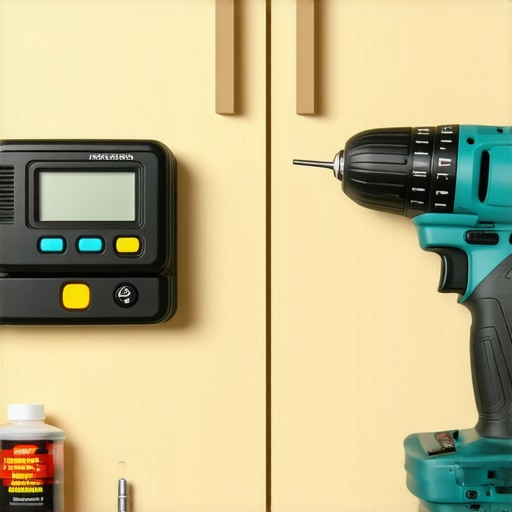
During my journey installing built-in vanities and storage systems, I discovered that the real challenge lies beneath the surface—literally and figuratively. One lightbulb moment was realizing how small, overlooked details can make or break your entire project. Paying close attention to wall irregularities and planning for future access saved me from costly fixes later on, highlighting the importance of thorough prep work. Embracing patience over shortcuts meant crafting solutions that stand the test of time, not just look good momentarily.
What Homeowners Often Miss When Creating Built-Ins
- Most people underestimate the impact of structural quirks like uneven floors or walls, which can sabotage even the best plans. I learned that a quick check with a laser level before starting ensures your built-in fits snug and functions flawlessly. Otherwise, you risk gaps, leaks, or worse—destined for major rework down the line.
- Choosing storage that’s adaptable pays off immensely. I initially went with fixed shelves, only to regret not leaving room for future modifications. Incorporating accessible panels or removable sections makes maintenance smoother and extends the lifespan of your built-ins—something I highly recommend for long-term happiness with your space.
- Understanding the importance of reinforcement cannot be overstated. Neglecting the weight-bearing capacity of shelves or overestimating wall support caused sagging in some of my early projects. Steady reinforcement with steel brackets or hidden supports keeps everything sturdy, safe, and visually appealing.
- Anticipating environmental factors like humidity or temperature fluctuations is key. Sealants infused with antimicrobial agents and venting features helped me prevent mold and warping, especially in bathrooms. These subtle adjustments protect your investment from moisture damage and ensure ongoing peace of mind.
Tools and Resources I Trust for Storage Mastery
- Digital Level: An indispensable tool that guarantees perfect alignment, saving me hours of tweaking. I trust it for precise measurements in every project, big or small.
- Custom Kit of Heavy-Duty Brackets: Selecting robust mounting hardware ensures my floating shelves and vanities stay rock solid over time. Quality brackets are worth every penny.
- Comprehensive Guides and Inspiration: I often revisit step-by-step vanity installation and creative built-in ideas to stay current and inspired. They provide practical tips and creative solutions that elevate my work.
- Quality Sealants with Antimicrobial Properties: Investing in high-grade silicone has significantly reduced maintenance needs and shielded my installations against moisture issues.
Your Next Move Starts Now
Remember, creating longevity in storage solutions, built-ins, and vanities begins with a mindful approach—embracing patience, detailed planning, and quality materials. Every smart choice you make today helps build a home that’s not only stunning but also durable for years to come. Don’t wait for problems to remind you—initiate your upgrade journey now! Ready to make your space smarter? Share your plans or questions below, and let’s learn from each other’s experiences in perfecting storage solutions and built-ins.
Related Posts

Vanities & Installation Guide: Maximize Space & Style in 2025
My Journey to a Stylish and Space-Saving BathroomLast year, I…
4 Stealth Wall Fixes for 2026 Floating Pocket-Door Vanities
I'll never forget the moment I opened my bathroom vanity…

Stop the Rub: 5 Fixes for Vanity Drawer Clearance in 2026
It was a frustrating Saturday morning when I finally realized…