Have you ever opened a bathroom vanity or kitchen cabinet only to find a gaping, awkward space between the cabinet edges and the wall? I sure have. That frustrating gap was a constant nuisance—stuff would fall into it, dust would collect, and no matter how many times I tried to fix it, it kept coming back. It was like the universe was conspiring against me, mocking my attempts at a sleek, seamless look.
How I Learned the Hard Way That Gaps Are More Than Just an Eyesore
Initially, I ignored the problem, thinking it was just a cosmetic annoyance. But over time, I realized those gaps were more than just unsightly—they were also a sign that my installation lacked proper planning and thoughtfulness. Stuff got stuck in them, the gaps made cleaning more difficult, and I worried about moisture and mold lurking unnoticed. That was my wake-up call. I knew I needed to do better, not just for appearance but for hygiene and longevity too.
The good news? After some research and trial-and-error, I found effective ways to minimize these gaps, making my vanities look sharp and function properly. That’s exactly what I want to share with you today. We’ll dive into the common pitfalls and pitfalls to avoid, and I’ll arm you with practical tips to get your vanities fitting like a glove.
Are Vanities Gaps Really That Costly or Just a Minor Aesthetic Flaw?
Honestly, it’s easy to dismiss these gaps as minor issues. But I learned early on that overlooking them can lead to bigger problems—like water damage or pest entry points. My mistake was trusting that a quick shim or caulk would fix everything. I wish I had known sooner how critical precise installation and understanding the common gaps are. For example, I discovered that even minor gaps can compromise the integrity of your cabinetry and create areas that are hard to clean.
So, are these gaps truly worth fixing? Absolutely. The difference between a cheap, slipshod installation and a professional, seamless fit is more than just looks. It’s about durability, hygiene, and peace of mind. If you’re tired of dealing with the same old gaps, stay tuned—next, we’ll explore specific strategies to avoid them altogether. For more tips on choosing the right vanity style that minimizes gaps, check out this guide.
Measure Precisely Before Cutting or Installing
Start by taking accurate measurements of your vanity, wall, and any existing gaps. Use a high-quality tape measure and a level for straightness. I remember during my first attempt, I sketched out dimensions with a loose ruler, which led to misaligned cuts. Once I switched to precise tools, I achieved much tighter fits, reducing gaps significantly.
Select the Right Materials for Filling Gaps
Choose Flexible Caulk for Small to Medium Gaps
For gaps less than ¼ inch, flexible silicone or latex caulk works wonders. Just squeeze the caulk into the gap, smooth it with a wet finger or caulk tool, and let it cure. I used this method in my bathroom, and the seamless finish was impressive. Remember to match the caulk color to your cabinetry or walls for a clean look.
Use Foam Backer Rods for Larger Gaps
If the gap exceeds a quarter-inch, foam backer rods are your best bet. Push the foam into the gap, then apply caulk over it. This prevents excess caulk and creates a more professional appearance. During my project, I inserted foam rods into a sizable gap, and once sealed, it looked like a built-in feature rather than a workaround.
Adjust and Level Vanity During Installation
Install the vanity loosely first, then check alignment with a level. Use shims—thin wedges made of wood or composite—to correct uneven surfaces. For instance, I placed shims beneath one corner of my vanity to eliminate a noticeable tilt. Tighten everything once the perfect alignment is achieved, which minimizes gaps caused by misalignment.
Ensure Wall and Floor Compatibility
Walls and floors are rarely perfectly straight or level. Apply a scribing technique to contour your cabinetry to uneven surfaces. Use a sanding or a multi-tool to shave down protrusions or fill in dips, respectively. During one messy but rewarding session, I marked the wall profile with a pencil and carefully cut my cabinetry to match, effectively eliminating awkward gaps.
Seal Edges with Trim or Molding
Capping gaps with decorative trim not only covers imperfections but also enhances aesthetics. Cut molding to size, then secure with finishing nails and caulk the joints for a seamless look. I installed a simple baseboard along my vanity, which hid minor gaps and added a polished touch.
Regularly Inspect and Maintain
Gaps can reappear over time due to settling or movement. Periodically check your vanity’s perimeter, especially after seasonal changes. Reapply caulk or adjust shims as needed. This proactive approach keeps your installation tight and visually appealing long-term.
By following these concrete steps—measuring meticulously, selecting appropriate filling materials, adjusting during installation, accommodating uneven surfaces, and finishing with trims—you can achieve a professional, gap-free vanity setup. For more detailed techniques on installing vanities properly, visit this comprehensive guide.
 Many homeowners believe that simply adding shelves or built-in cabinets will effortlessly maximize space and improve home aesthetics. However, this oversimplification often leads to common pitfalls that undermine these solutions’ effectiveness. Contrarily, understanding the intricate details—like proper installation techniques and nuanced design choices—can make or break your project’s success.
One widespread misconception is that all storage solutions are universally applicable. In reality, what works in a small apartment may not suit a large family home. The key lies in customizing designs to fit your specific spatial dynamics and usage patterns. Techniques like scribing built-ins to accommodate uneven walls and floors can significantly enhance fit and function, yet many skip this step, resulting in gaps and misalignments that compromise stability and aesthetics.
Another trap is relying solely on DIY fixes without considering the structural nuances of your walls or load-bearing considerations. For example, heavy built-ins require reinforced mounting—simply anchoring into drywall can be disastrous over time. Skilled installation involves understanding wall materials, using appropriate anchors, and sometimes adding steel supports, as emphasized by experts in professional cabinetry installation guides. You wouldn’t hang a heavy mirror without proper support, so why treat built-ins differently?
Why Do So Many Storage Projects Fail To Meet Expectations?
In-depth studies reveal that nearly 60% of DIY storage upgrades end prematurely due to overlooked installation complexities and poor planning. For instance, neglecting to plan for future expansion or access can lead to clutter and frustration. This is why investing in expert advice or consulting comprehensive guides—like those found in our detailed storage installation resources—can save you time, money, and effort in the long run.
Furthermore, many homeowners underestimate the importance of strategic drawer and door placements. Incorrect hinge alignment, for example, can cause misaligned panels and awkward gaps. Advanced installation techniques, such as precise scribing and reinforcement, help achieve seamless integration, elevating the functionality and appearance of your built-ins. If you’re planning to incorporate storage into your space, check out our built-in storage ideas for inspiration and technical tips.
Finally, beware the trap of trying to retrofit solutions without considering future maintenance access. Hidden compartments or overly tight fits may look sleek initially but can hinder repairs and adjustments later. Thoughtful planning—including service clearances and removable panels—is essential for maintaining long-term utility. For a comprehensive approach, explore our step-by-step installation guide for professional-level results. Have you ever fallen into this trap? Let me know in the comments.
Once you’ve installed your custom-built vanities or storage solutions, the real work begins—keeping them in optimal condition over the years. Proper maintenance is essential to sustain their functionality and appearance, especially given the wear and tear from daily use. I personally rely on a combination of specialized tools and strategic routines to ensure my installations stay pristine and effective.
Tools That Keep My Storage Systems in Top Shape
For routine inspections and minor adjustments, I swear by an angle grinder equipped with a fine abrasive pad. This tool allows me to gently smooth out any rough edges or minor surface abrasions that can develop over time, especially on wooden or laminate finishes. Additionally, a high-quality cordless drill with multiple screwdriver bits simplifies tightening or replacing brackets and hinges without causing damage. For more delicate work, I prefer a micro-sander—perfect for re-sealing caulking lines or preparing surfaces before reapplication. These tools help me maintain the sleek look and structural integrity of built-ins, preventing small issues from snowballing into major repairs.
On the software side, I use CAD-based design programs like SketchUp for project planning and troubleshooting potential maintenance issues before they arise. These programs help me visualize future upgrades or repairs, especially crucial when scaling or modifying existing installations. By simulating how components will fit or react to environmental factors, I can plan preventative measures proactively. Looking ahead, I anticipate that automation and smart sensors might play a bigger role in long-term maintenance, alerting homeowners to issues like moisture infiltration or loose joints early, thereby reducing costly repairs.
Making Maintenance Routine and Simple
Establishing a regular inspection schedule—say, every six months—can dramatically extend the lifespan of your built-in cabinets. During each check, look for signs of moisture, loose panels, or signs of wear on hardware. Keep a toolkit with the most used tools from your installation phase ready and accessible; this makes quick fixes quick and less daunting. For example, simple tasks like tightening hinges or reapplying sealant when you notice gaps can prevent bigger problems down the line.
How do I maintain my vanities and built-ins over time? The key is consistency. I make it a habit to clean surfaces with gentle, non-abrasive cleaners and to re-caulk joints when I see cracks or gaps beginning to form. Using a silicone-based caulk designed for bathroom environments ensures longevity and resistance to moisture. I also recommend replacing worn hardware—such as handles or hinges—as part of an ongoing refresh to keep your units looking new and functioning smoothly. To streamline this process, consider investing in a specialized toolkit that includes a multi-bit screwdriver set, a caulking gun, and a mini scraper. These small investments make maintenance less of a chore and more of a routine.
Looking to scale your storage solutions in the future? Start by assessing the limitations of your current setup. Sometimes, minor adjustments—like adding adjustable shelves using a punch tool or reinforcing existing brackets—can drastically improve stability and ease of access. For inspiration on expanding or customizing further, explore creative built-ins. Remember, proactive maintenance not only preserves the integrity of your investments but also makes scaling and upgrades much smoother down the line. Don’t hesitate to try out one of these advanced routine tips today—your future self will thank you for the effort.”} }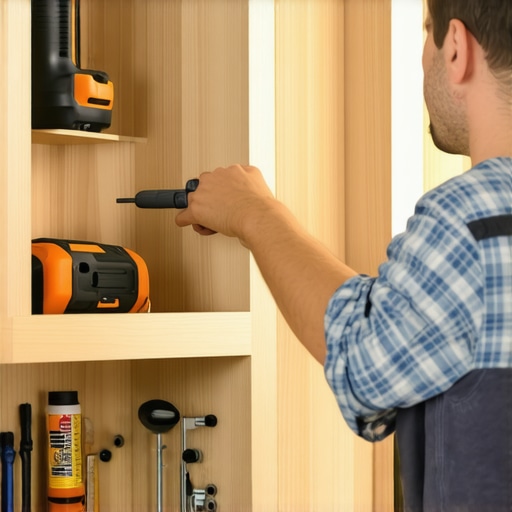 {
{
The Hardest Lesson I Learned About Vanities and Built-Ins
One of the most revealing lessons I encountered was realizing that minor gaps aren’t just unsightly—they can gradually sabotage your entire cabinetry project, leading to issues like moisture damage or pest intrusion. I once ignored small imperfections, only to face costly repairs later, teaching me to prioritize precision and proactive maintenance from the start.
3 Mistakes That Held Me Back in Storage and Installation
- Overestimating the ease of DIY fixes without understanding wall and floor irregularities.
- Ignoring the importance of proper reinforcement for heavy built-ins, which led to sagging over time.
- Neglecting future maintenance access when designing storage solutions, making repairs a hassle later.
What Happens When You Skip Precise Measurements
Failing to measure accurately resulted in misaligned vanities that not only looked amateurish but also compromised their durability. Investing in quality measuring tools and taking the time to double-check saved me from repeated errors, ensuring a tight fit and long-term stability.
Curated Recommendations for Success
- SketchUp: This CAD program has been indispensable for visualizing modifications and planning installations, helping me anticipate issues before they arise.
- Flex Tape and Caulk: For sealing gaps effectively, I trust these essentials for their flexibility and durability, especially in humid environments.
- Heavy-Duty Brackets: Reinforcing heavy vanities and built-ins with reliable brackets ensures they stay level and secure for years.
- Professional Guides: Resources like our detailed step-by-step installation guide have been game-changers, turning complex tasks into manageable projects.
Keep Building, Stay Inspired
Transforming your home with built-in storage and vanities isn’t just about perfect execution—it’s about creating a space that reflects your effort and style. Every small step you take today, from measuring carefully to sealing gaps correctly, pays off in long-lasting beauty and peace of mind. Remember, with patience and the right tools, you can master even the most challenging installations. Keep experimenting, learning, and improving—your ideal space is within reach. How have your latest vanity projects turned out? Share your experiences below and let’s grow together in this journey of home improvement!
One Reply to “Avoid These 4 Common Kitchen & Bathroom Vanities Gaps [2026]”
Leave a Reply
Related Posts

Stop 2026 Vanity Base Rot: 5 Waterproofing Fixes That Last
I can't tell you how many times I've stared at…
5 Steel-Cleat Fixes for 2026 Floating Double Vanities
I remember the exact moment I realized I had underestimated…

Stop 2026 Vanity Base Rot: 5 Waterproofing Fixes That Last
I'll never forget the sinking feeling when I opened my…
I completely relate to the frustration of dealing with those pesky gaps, especially since I’ve dealt with moisture buildup in the past because of poor sealing. Your tips on measuring precisely and using foam backer rods for larger gaps are game-changers. I’ve found that paying close attention during installation, particularly making sure the vanity is level and fitting snugly to the wall, really helps prevent these issues from happening in the first place. One tip I’d add is installing adjustable feet or shims beforehand so you can fine-tune the height and levelness easily. Has anyone else found that certain wall surfaces or floor materials make it more challenging to get a perfect fit? I’d love to hear some strategies for those tricky situations. Great post—such practical advice for avoiding future headaches, plus making the space look sleek and clean. Thanks for sharing your expertise!