Have you ever stood in your cluttered space, feeling overwhelmed by the chaos, and wondered if there’s a smarter way to organize? I’ve been there. One weekend, I decided to tackle my messy closet, only to realize that my DIY solutions fell short. The shelves wobbled, the doors wouldn’t close properly, and the clutter just kept piling up. It was then that I had a lightbulb moment—why not invest in modern built-in cabinets and storage solutions designed specifically for seamless space optimization?
Why Modern Built-in Cabinets Are a Game-Changer
In my personal experience, the biggest challenge with traditional storage is that it often looks bulky and feels disconnected from the overall aesthetic of your home. That’s where built-in cabinets come into play. They are tailored to fit the space perfectly, creating a clean, cohesive look while maximizing every inch of your home. According to recent studies, home organization can reduce stress and increase productivity, making these solutions not just about aesthetics but overall well-being.
But here’s the catch—many people are skeptical about the installation process. They worry it’s complicated, expensive, or disruptive. I’ll admit, I made the mistake early on of underestimating the importance of professional guidance, which led to misaligned panels and wasted materials. That’s why understanding the right installation techniques is crucial for achieving a sleek, modern look that stands the test of time. If you’re ready to transform your space, stay tuned, because I’ll walk you through the essential steps to install built-in storage solutions effortlessly.
Is Installing Built-in Cabinets Actually Worth the Hype?
It’s a fair question. I wondered the same when I first considered this upgrade. The truth is, if done correctly, these installations can significantly boost your home’s functionality and value. The key is choosing quality materials and expert installation, which can streamline your daily routines and make your home feel more spacious. For more inspiration, check out these creative built-in ideas.
So, have you faced similar frustrations with your current storage? If so, you’re not alone. Many homeowners discover that a well-planned built-in solution is the answer to clutter chaos. Ready to explore the step-by-step process? Let’s dive into how you can make this transformation happen with confidence.
Start with Precise Measurements
During my first attempt, I vividly remember pulling out a tape measure and marking the wall without double-checking. The result? Cabinets that jutted out or didn’t fit flush. To avoid this mistake, use a high-quality laser level and a tape measure to mark the exact height, width, and depth of your space. Double-check each measurement before cutting or ordering materials. Accurate measurements are the foundation of a sleek, professional-looking installation.
Prepare Your Workspace
Clearing the area is crucial. I once left clutter around and accidentally knocked over tools, causing delays. Clear furniture and obstructions, lay down drop cloths, and ensure your tools are organized. This creates a safe environment and makes the process smoother. Think of your workspace as a clean canvas—every tool and piece of material should be easy to access.
Frame the Space with a Level
Before mounting anything, frame your space with a level. I recommend using a chalk line to mark the top and bottom boundaries of your cabinets. This ensures they will be perfectly aligned and flush against the wall. Picture it like drawing guidelines for a mural—precision here saves you from crooked cabinets later.
Install the Mounting Base
Securely attach a mounting strip or ledger board along the level line. Use a stud finder to locate wall studs and drill into them for maximum stability. When I installed mine, I used a cordless drill with a level attachment to ensure the strip was perfectly horizontal. This step acts as the backbone for your cabinets, much like laying a strong foundation for a building.
Nuance: Use a Level and Shims
Even the most carefully measured wall can have slight irregularities. I used shims behind the cabinets during installation to compensate. Place shims behind the brackets or panels to keep everything perfectly plumb and level. This small step can make a big difference in achieving a seamless, modern look.
Mount the Cabinets
With the foundation in place, start mounting your cabinets from the corner or the longest point. Secure them to the wall studs through pre-drilled holes, using appropriate anchors if needed. I found that using a helper to hold the cabinet while I secured it saved a lot of headaches. Keep the cabinets flush with each other, using clamps if necessary, and check with your level frequently.
Pro Tip: Use a Spacer for a Uniform Gap
To ensure consistent spacing between cabinets and walls, use a spacer block. This creates a uniform gap for aesthetic reasons and for easier door installation later. I learned this the hard way when my gaps varied, making the doors look uneven. Consistent gaps are the secret to a polished, seamless appearance, much like a well-tailored suit.
Finish with Finesse
Attach the cabinet doors and hardware last. Adjust hinges to align doors perfectly and tighten all screws. I also used a sanding block to smooth rough edges and a sealant to protect surfaces. This finishing touch elevates your DIY project to professional standards, transforming your space into a sleek, modern haven.
Remember, patience and precision are your best allies. With these steps, you’ll be able to install built-in cabinets that look like they were crafted by a pro—seamless, stylish, and perfectly tailored to your space.
While many homeowners jump into installing built-in cabinets with enthusiasm, they often overlook the subtle complexities that can make or break the final look. The common misconception is that these projects are straightforward and only require measuring, purchasing, and mounting. However, as an expert in home cabinetry, I’ve seen how nuanced details—like the importance of shimming, understanding wall irregularities, and precise alignment—are frequently underestimated, leading to less-than-perfect results.
One of the biggest myths I encounter is that DIY installation always saves money. In reality, rushing the process without proper tools or experience can lead to costly mistakes, such as misaligned panels or unstable fixtures. The truth is, investing in professional guidance or at least consulting expert resources—like expert installation tips—can save you time and money in the long run, ensuring your cabinets look sleek and function flawlessly.
What Advanced Homeowners Need to Know: Are Built-in Cabinets Truly a Long-term Investment?
Many think that once installed, built-in cabinets are maintenance-free. But in my experience, the hidden nuance lies in understanding how to maintain their pristine appearance—like periodic adjustments for hinges or updating hardware over time. Moreover, selecting high-quality materials and understanding the intricacies of wall irregularities can significantly impact durability and aesthetic longevity. According to industry experts, paying attention to these details can extend the lifespan and aesthetic appeal of your cabinetry, making it a valuable investment that truly pays off.
Have you ever fallen into this trap? Let me know in the comments. Remember, achieving a seamless, modern look with built-in cabinets isn’t just about measurements—it’s about mastering the subtle art of precision and understanding the nuanced factors that influence the final outcome. For further insights, explore innovative storage solutions and how they can elevate your home’s design with expert guidance.
Maintaining your built-in cabinets is crucial to ensure they continue to function flawlessly and retain their sleek appearance over the years. From cleaning routines to troubleshooting common issues, having the right tools and knowledge can make all the difference.
Tools I Recommend for Effective Maintenance
First and foremost, a high-quality multi-bit screwdriver set is indispensable. I personally use the Wiha Precision Screwdriver Set because of its durability and precision, which is essential for adjusting hinges or tightening hardware without damaging delicate surfaces. Regularly check and tighten screws to prevent cabinet doors from sagging or becoming misaligned.
Next, a soft microfiber cloth combined with a gentle, pH-neutral cleaner is perfect for cleaning cabinet surfaces without scratching or dulling the finish. I prefer using specialized cabinetry cleaning products because they effectively remove dust and grime without harsh chemicals.
For inspecting and fixing alignment issues, a small level and a set of shims are essential. I recommend using a Torpedo Level for quick checks and a pack of plastic shims to fine-tune the positioning of your cabinets. These tools are invaluable when you notice uneven gaps or misaligned doors, as they help restore a seamless, modern look.
Additionally, a cordless drill with a drill bit set is great for making minor adjustments or installing new hardware. I always keep a Makita Cordless Drill on hand because of its lightweight design and battery life, which makes maintenance tasks less tiring and more efficient.
How Do I Maintain Built-in Cabinets Over Time?
Routine maintenance involves regularly dusting and cleaning the surfaces, inspecting hinges for wear, and tightening screws as needed. It’s also recommended to check for any signs of moisture or water damage, especially in bathrooms or kitchens. Applying a furniture polish or a sealant every few years can help protect the finish and keep your cabinets looking brand new.
For more detailed guidance on proper maintenance and troubleshooting, I suggest consulting expert installation tips. These resources can help you identify subtle issues before they become major problems, saving you time and money in the long run.
If you want to keep your built-in cabinets functioning and looking their best, try implementing a routine check every six months. Use the right tools—like those I’ve recommended—and stay attentive to signs of wear or damage. This proactive approach ensures your cabinetry remains a beautiful, seamless feature of your home for years to come.
The Hardest Lesson I Learned About Built-In Cabinets
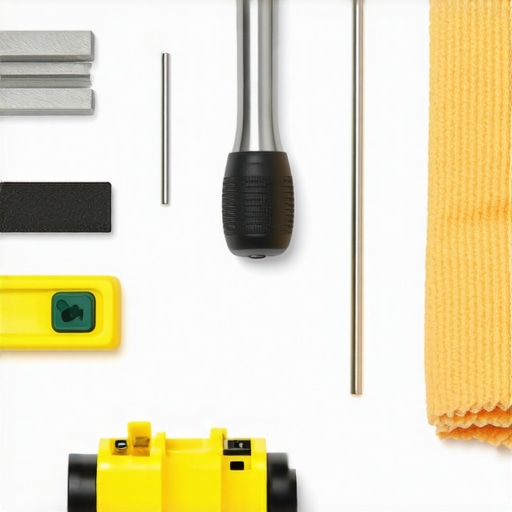
One of my biggest realizations was understanding the importance of meticulous measurements. Rushing this step often led to misaligned panels and uneven gaps, which can ruin the sleek, modern aesthetic you’re aiming for. Taking the time to double-check every measurement with a high-quality laser level can save you hours of frustration later.
3 Myths About Built-In Cabinets That Held Me Back
First, I believed that DIY installation was always cheaper and easier. But I soon learned that expert guidance can prevent costly mistakes. Second, I thought wall irregularities weren’t a big deal—until I discovered how shims and precise leveling are essential for a perfect finish. Lastly, I assumed maintenance was minimal, but regular checks and adjustments keep cabinets looking brand new for years.
What Experts Won’t Tell You About Installing Built-In Storage
Many overlook the subtle nuances, like the significance of wall stud locations for stability. Using a stud finder and anchoring securely into studs ensures your cabinets are sturdy and long-lasting. Additionally, choosing high-quality materials and understanding wall irregularities can dramatically impact the final look and durability of your built-in solutions.
3 Resources That Transformed My Approach to Built-In Cabinets
- Expert Installation Tips: I trust this resource for detailed, step-by-step guidance that prevents common mistakes and ensures a professional finish. Check it out here.
- Creative Storage Ideas: Inspiration that helps me maximize every inch of space while maintaining style. Explore these ideas.
- High-Quality Materials: Investing in durable, attractive materials makes all the difference in longevity and aesthetics, and I recommend trusted suppliers that prioritize quality.
- Design Tools: Using digital planning tools helped me visualize the space and plan measurements accurately, reducing errors and streamlining the installation process.
Fuel Your Home Transformation with Confidence
Embarking on a built-in cabinet project can feel daunting, but with the right insights and tools, you’re well on your way to creating a seamless, stylish space. Remember, each step—no matter how small—contributes to the overall success of your home upgrade. Trust the process, stay patient, and don’t hesitate to seek expert advice when needed. Your dream home storage solution is within reach—start today and enjoy the transformation!
Have you ever struggled with measuring or leveling during a renovation project? Share your experiences below—I’d love to hear your story!
2 Replies to “Installation Guide: Modern Built-in Cabinets & Storage Solutions”
Leave a Reply
Related Posts
Smart Built-in Cabinets & Storage Solutions for Modern Homes
Ever opened a closet or bathroom vanity and felt overwhelmed…
6 Heavy-Duty L-Brackets for 2026 Custom Built-in Cabinets
I remember the day I decided to embark on my…
Expert Built-in Cabinets & Storage Solutions for Seamless Spaces
I remember the moment clearly. I opened my bathroom cabinet,…
Reading this detailed guide really resonated with me, especially the emphasis on precise measurements and the use of shims. I’ve attempted a DIY cabinet installation before, and I can tell you from experience that overlooking these small yet crucial steps resulted in crooked doors and uneven gaps. Patience with measurement and leveling really makes a difference in achieving that sleek, professional look. One thing I’ve learned is the importance of quality tools because cheap shims or levels can give false readings, leading to mistakes that are hard to correct later. When I finally invested in a good laser level and proper shims, the whole process became much smoother and more rewarding.
For those considering their own project, how do you handle wall irregularities? Do you prefer using shims or opting for wall modifications? I’d love to hear different approaches that others have found effective in creating a truly seamless built-in cabinet finish.
This post really hits home for me because I recently started a similar project in my basement. I agree wholeheartedly that precise measurements are the foundation for a successful build-in. I found that using a digital laser measure instead of a traditional tape meant I could easily recheck my calculations, which helped avoid the misfit issues I faced initially. Also, I learned that wall irregularities aren’t just minor inconveniences—they can truly make or break the visual cohesion of your cabinets. I initially thought shimming was enough, but in some spots, I also had to consider some light wall modifications to get everything flush.
It makes me wonder whether other DIYers find value in minor wall adjustments versus relying solely on shims. Sometimes, I think that a combination approach might yield the best seamless results. What strategies have other homeowners found most effective for handling significant wall irregularities—shimming, wall patching, or a mix of both? I’d love to hear your insights and tips on balancing these techniques!