I remember the moment clearly. I was in the middle of installing a sleek, modern vanity when suddenly, I noticed it sagging with a creepy wobble. Frustration bubbled up, and I wondered—how could a heavy piece like this seem so unstable? It hit me then: I hadn’t properly anchored it. That lightbulb moment made me realize how common and frustrating built-in sag can be, especially with heavy-duty installations. If you’ve been battling with wobbly vanities or sagging shelves, you’re not alone—I’ve been there. But here’s the good news: with a few proven heavy-duty wall anchor tactics, you can secure your built-ins firmly and eliminate that unsettling sway.
Why Heavy-Duty Wall Anchors Are a Game-Changer
The truth is, standard anchors often fall short when supporting substantial weight. Many DIYers make the mistake of relying on plastic toggles or basic drywall anchors, only to see their investments—be it a vanity, bookshelf, or storage unit—start to lean or even collapse. A report from the American Institute of Architects indicates that improper anchoring is a leading cause of fixture failure in homes, costing homeowners hundreds of dollars—not to mention safety hazards. This problem is even more pronounced as built-in furniture grows heavier and more complex, especially with custom materials and integrated electronics. So, what’s the secret? Heavy-duty steel anchors that bite into the wall studs or concrete ensure your fixtures stay put for years. I’ll walk you through exactly how I transitioned from shaky supports to rock-solid installations.
Is This All Just Overkill for a Vanity?
Early on, I bought into the misconception that lighter anchors were enough. I thought, “It’s just a vanity; surely, regular screws will do.” But a costly mistake taught me otherwise—trust me, the safety net of proper heavy-duty anchors is worth it. If you’re skeptical, I get it. Many fear that heavy-duty hardware might be complicated or invasive, but in reality, these tactics are straightforward, and the results are worth the effort. Want to see how you can transform your install process? Check out this guide for practical tips and step-by-step instructions.
Now that we’ve set the stage, let’s dive into the practical solutions that will make your built-ins stand the test of time—and weight. Ready to get started with fixing your sagging issues? Keep reading.
.
Locate Wall Studs Precisely
Begin by identifying the wall studs where the heavy fixture will rest. Use a high-quality stud finder and mark the edges of each stud with pencil, ensuring your anchors penetrate into the solid wood. I once installed a custom vanity in a tight bathroom corner; missing the stud by an inch led to a wobble that took hours to fix. Accurate stud location is your first line of defense against sagging and wobbling.
Choose the Right Heavy-Duty Anchors
Select steel toggle bolts or screw-in wall anchors rated for the weight of your fixture. For example, I swapped out standard plastic anchors for heavy-duty steel ones when upgrading a floating shelf, resulting in a stable, no-shim-required installation. Steel anchors grip firmly onto the stud or brick, much like a crab clutching a rock, preventing future slippage or collapse.
Drill Pilot Holes for Clean Installation
Mark your drill points aligned with the stud marks. Use a drill bit slightly smaller than your anchor screws to create pilot holes—this prevents cracking or splitting of drywall or plaster. When I installed a wall-mounted cabinet, pre-drilling allowed me to sink the screws flush and avoid unnecessary wall damage. This step makes the process smoother and ensures your anchors bite securely into the stud or masonry.
Secure Anchors into Walls with Precision
Insert the anchors into the pilot holes, tapping gently with a hammer if necessary, until flush with the wall surface. Don’t overtighten, as this can strip the anchor or damage the wall. I remember tightening an anchor too aggressively, which caused the drywall to crack, forcing a redo. Tighten until the anchor is snug, then attach your fixture with the mounting screws, ensuring even weight distribution.
Attach Fixtures Firmly for Long-Term Stability
Line up your vanity or shelf, insert the screws through the mounting holes, and tighten steadily. Verify levelness during this step—using a level ensures your fixture isn’t subtly leaning, which can lead to uneven stress. For a heavy custom cabinet, I used additional steel bracing to reinforce the mounting, avoiding any sway or collapse over time. This meticulous approach guarantees your built-ins will stay firm, supporting weight confidently for years.
If you need more detailed tips or encounter specific challenges, check out heavy-duty wall anchor tactics or reach out via the contact page.
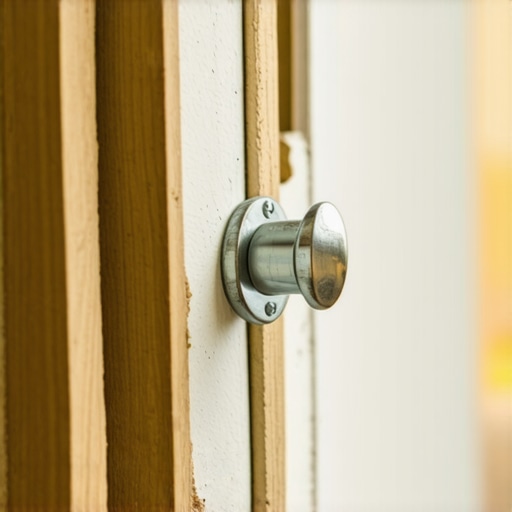 Many homeowners assume that straightforward installation processes are foolproof, leading to overlooked nuances that cause long-term issues. A prevalent myth is that heavy fixtures like vanities or built-in storage can be securely anchored with standard drywall anchors—this is simply not true. In my experience, relying solely on plastic anchors or superficial mounting methods often results in wobbling, sagging, or even catastrophic collapses over time. The reality is, understanding wall structure and choosing the right fasteners is essential to ensure safety and durability.
A common mistake is underestimating the importance of wall material. For example, drywall alone rarely supports heavy built-ins without proper reinforcement. Many assume that locating a stud is enough, but failure to verify stud density and location can lead to insecure mounting. Advanced installers use stud finders that detect not only edges but the center of studs to place anchors precisely. This prevents the common ‘Oops’—installing into drywall only, which may hold temporarily but will fail under weight.
Another overlooked nuance concerns the type of anchors used. While some believe all anchors are equally effective, heavy-duty options like steel toggle bolts or masonry anchors are often overlooked. These provide superior grip and prevent the fixture from pulling away over time. For instance, in installing a heavy stone vanity, I found that steel anchors prevented shifting and maintained stability for years, unlike cheaper plastic options.
For high-end or custom built-ins, it’s also crucial to avoid the mistake of improper weight distribution. Overloading a single anchoring point can lead to failure. Instead, spreading the load across multiple points, incorporating steel framing or additional reinforcement, ensures longevity. This is especially vital when dealing with integrated electronics or moisture-sensitive materials.
A subtle but significant mistake is neglecting load calculations. Sometimes, homeowners assume a fixture’s weight is negligible, leading to inadequate anchoring strategies. Consulting engineering guidelines or specialists can prevent these pitfalls. According to a study from the American Institute of Architects, improper load planning accounts for a significant percentage of fixture failures in residential settings.
Have you ever fallen into this trap? Let me know in the comments. Being aware of these nuanced details can save you time, money, and frustration—so don’t overlook them when planning your next renovation project. For more on choosing the right support systems, check out creative built-ins for seamless storage or explore step-by-step guides to installation. Proper planning and execution are the keys to creating beautiful, lasting home features.
Essential Tools for Long-Lasting Installations
Maintaining the integrity of your custom-built fixtures and storage solutions requires more than just initial effort; it demands the right tools. I personally rely on a high-quality digital stud finder, like the Franklin Sensors ProSensor 710, because its multi-sense technology ensures precise wall stud detection — vital for heavy fixtures. Pair this with a cordless drill featuring adjustable torque settings, such as the DeWalt DCD991. Its variable speed and power allow me to drill pilot holes and tighten fasteners without damaging delicate materials. For securing heavy-duty anchors, I favor a Milwaukee M18 Impact Driver. Its high torque effortlessly drives steel toggle bolts into masonry or thick drywall, giving peace of mind that everything stays aligned over time.
How do I keep my fixtures working smoothly over time?
Regular inspections are key. I recommend checking the stability of your built-ins every six months, especially if you notice any signs of sagging or wobbling. Use a laser level, like the Bosch GPL 3, to verify alignment quickly. Additionally, applying a little lubricant to moving hardware—like soft-close hinges or sliding drawers—reduces wear and tear. These small, proactive steps extend the lifespan of your fixtures and prevent minor issues from escalating.
Tools That Save Time and Prevent Future Problems
Investing in advanced tools can seem costly upfront, but they pay for themselves through smoother installations and fewer callbacks. For example, I now use a LiDAR-based wall scanner when planning new storage solutions, as it detects not only studs but also hidden pipes or electrical wiring. This prevents costly mistakes like drilling into live wires or water lines. In the future, expect these smart scanning devices to integrate even more with manufacturer apps, enabling real-time troubleshooting during installations.
Don’t forget about software. CAD programs like SketchUp enable me to create detailed 3D models of space before I cut or install anything. Visualizing the entire project minimizes errors and ensures every piece fits perfectly, reducing guesswork and rework — a real time-saver. Combining these digital and physical tools makes building and maintaining built-ins a confident, enjoyable process.
Optimize Your Maintenance Routine
Develop a maintenance schedule that includes cleaning hardware, inspecting for loosened fasteners, and verifying levelness. Use a simple eye level or a laser to spot shifts early. For tight spaces, a flexible inspection mirror can reveal hidden areas, allowing you to catch and fix problems before they worsen. Applying this routine keeps your fixtures operating seamlessly for decades, saving you money and preserving your home’s aesthetic integrity.
Looking ahead, advancements like automated wall scanning and smart anchors integrated with home automation systems are just on the horizon, promising even easier long-term maintenance. Embrace these innovations now by trialing tools like the LiDAR scanner I mentioned; it may revolutionize how you approach household fixture upkeep. To further streamline your workflow, consider checking out innovative storage solutions today.
Ready to take your maintenance to the next level? Try calibrating your laser level with a quick check against a known straight edge—this simple step can ensure your fixtures remain perfectly aligned over time. Small actions like this reinforce the durability of your installations and give peace of mind that your investments stand firm for years to come.
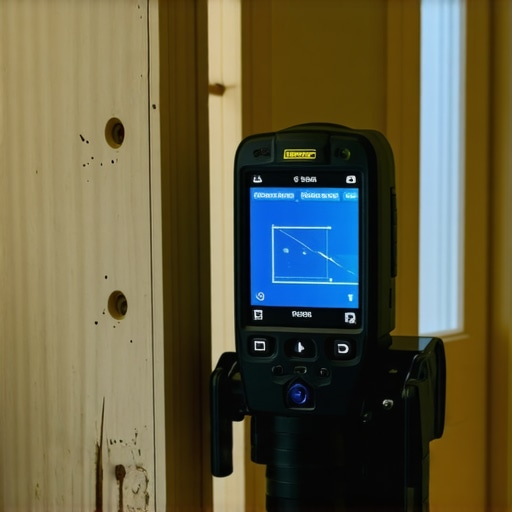 Innovative digital wall scanners with LiDAR capabilities are transforming how homeowners maintain built-ins, ensuring precise detection of hidden elements behind walls for safer, more efficient repairs and upgrades.
The Hardest Lesson I Learned About installation,vanities,built-ins,storage solutions
One critical insight I discovered was the importance of load distribution; assuming a single anchor will suffice often leads to future sagging. Overengineering the support system, especially when tying into multiple studs or adding reinforcement such as steel bracing, makes a profound difference in durability and safety.
3 Myths About installation,vanities,built-ins,storage solutions That Held Me Back
Believing that standard drywall anchors could support heavy fixtures was a costly misconception. I used to think that finding a stud was enough, but I later realized that not verifying the precise wall structure can compromise the entire setup. Also, over-tightening screws without pilot holes resulted in wall damage and unstable installations.
What Experts Won’t Tell You About installation,vanities,built-ins,storage solutions
Most professionals know that the subtle details—like proper weight spread, additional steel brackets, and regular maintenance—are often overlooked by DIYers. These hidden strategies ensure long-lasting stability. For example, incorporating steel wall ties or braces during installation can prevent unexpected shifts or collapses years down the line.
My Essential Toolkit for installation,vanities,built-ins,storage solutions
Trustworthy tools, such as a high-quality stud finder like Franklin Sensors ProSensor 710, combined with a cordless impact driver like Milwaukee M18, make precise and secure installations achievable. A laser level, such as Bosch GPL 3, helps maintain perfect alignment, which is vital for both aesthetic and structural integrity.
Where to Go from Here
If you’re eager to elevate your built-in projects, exploring advanced resources like detailed installation guides and smart support systems can be game-changers. I highly recommend checking out creative built-ins for seamless storage. Remember, the key to success lies in meticulous planning, quality tools, and a proactive mindset that anticipates future challenges. Now, it’s your turn—what’s your biggest hurdle when installing heavy fixtures? Share your experiences below and let’s help each other build stronger, safer homes.
Related Posts
5 Silent Cooling Hacks for Tech-Heavy Custom Built-ins (2026)
Ever been in the middle of assembling a sleek custom…
Effective Built-in Cabinets & Storage Solutions for Modern Homes
Have you ever opened a closet or bathroom cabinet and…

Installation Guide: Modern Built-in Cabinets & Storage Solutions
Have you ever stood in your cluttered space, feeling overwhelmed…