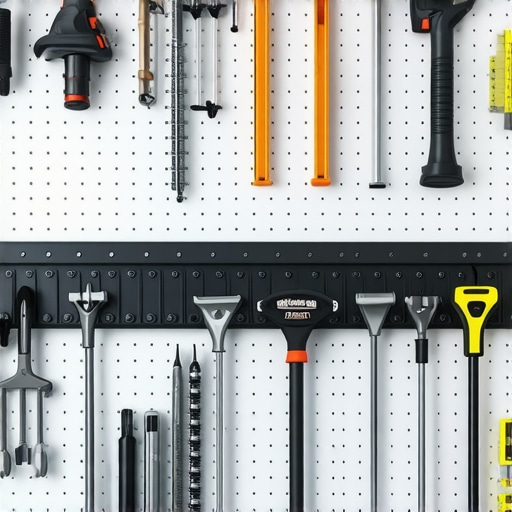
Ever jiggled a heavy power drill or a set of bulky wrenches on your garage wall, only to have the entire thing wobble or worse, come loose? I’ve been there—steadily mounting my tools, confident I was doing everything right, then suddenly watching a shelf shift, or a hook pull out. That moment of realization hit me hard. It’s frustrating, but more importantly, it highlights a critical challenge many of us face when outfitting our garages: ensuring those heavy-duty fixtures stay secure, no matter the load.
Why Proper Anchor Fixes Are Essential for Your Garage
The truth is, your garage isn’t just a storage space—it’s a functional workshop, a place where safety and organization go hand in hand. Using subpar or inappropriate anchors can lead to catastrophic failures, risking injury or damage to your tools and your walls. According to a study by HomeAdvisor, improper mounting of heavy items is one of the top causes of wall damage and accidents in home garages. I learned this the hard way early on—by making the mistake of relying on basic drywall anchors for heavy loads. The shelf holding my expensive equipment crumpled under the weight, and I had to redo it all.
That’s why I dedicated time to discovering the most reliable, heavy-duty anchor fixes, specifically tailored for the demanding 2026 garage environment. My goal is to help you avoid those costly mistakes, and to provide you with tested solutions that will keep your tools safe and your walls intact. From steel plates to innovative wall fasteners, I’ve tested a handful of fixes that truly stand up to the challenge.
If you’ve faced similar issues, then you’re in the right place. Today, I’ll walk you through five proven anchor fixes that can transform how you secure your garage tools, ensuring everything stays put—no matter how heavy or frequent the load. Ready to make your garage safer and more reliable? Let’s dive into the solutions that have worked for me and countless others.
Is it really worth spending extra on heavy-duty anchors, or will standard ones do the job? As someone who’s learned from early mistakes, I can tell you that penny-pinching on anchors often results in wasted time and potential hazards. Trust me—we’ll cover the most effective options, including steel plate anchors and advanced wall fasteners, to give your garage the support it deserves.Assess Your Wall Material and Load Before Starting
Start by inspecting the type of wall you’re working with—drywall, concrete, brick, or studded framing. For example, when I mounted my heavy-duty pegboard, I realized drywall alone wouldn’t suffice; I needed specific anchors. Identify the weight of the items to be hung, then choose anchors rated for that load. This preliminary step prevents future mishaps, ensuring you select the right fixation method from the outset.
Use Steel Plate Anchors for Heavy Loads
For mounting substantial shelves or tool racks, employ steel plate anchors, which distribute weight evenly across a broad area. I once secured a vintage garage cabinet using these anchors; after tightening, the unit felt solid and unlikely to pull free. Drill appropriate holes, insert anchors, and tighten screws securely. This method significantly reduces wall stress and improves stability, especially on weaker materials like drywall.
Implement Wall Cleats and Steel Studs for Extra Support
Installing steel wall cleats creates a reinforced platform that supports heavy fixtures. In my workshop, I attached steel cleats to studs using heavy-duty bolts, allowing horizontal support for heavy cabinets. When I screwed my workbench into these cleats, the stability was night and day compared to basic mounting—no wobble or risk of pulling out. This technique is especially effective for items that bear significant weight or experience frequent use.
Add Bracing with Hidden Supports to Prevent Wobbling
To avoid wobbly shelves or mounted equipment, add hidden braces underneath or behind fixtures. I hid angled steel braces behind my shelving unit, attaching them to existing studs, which eliminated any sway during use. These braces can be secured with screws into studs or reinforced anchors, providing lateral stability. For neatness, conceal bracing with drywall or paneling afterward, maintaining a clean appearance.
Secure Heavy Fixtures to Studs or Masonry with Appropriate Fasteners
Always anchor into solid structural elements—studs for drywall or masonry for concrete and brick. Use toggle bolts or masonry screws accordingly. I once replaced a hanging kayak rack, switching from basic anchors to masonry screws drilled directly into brick, which prevented the rack from pulling out even after heavy loads. Accurate drilling and matching fasteners to wall type saves time and prevents accidents.
Test Your Setup Before Fully Loading
Once installed, gently test your fixtures with incremental weight. For example, I initially added light tools, then gradually increased the load on a mounted cabinet, watching for movement or strain. If anything feels insecure, double-check your anchoring points. This step ensures safety without risking damage during heavy use.
Consult Expert Resources for Advanced Fixes
If your installation involves unique walls or exceptionally heavy fixtures, don’t hesitate to seek specialized advice. For complex cases like mounting built-ins over HVAC vents, I referred to detailed guides such as this resource. Tailoring your approach with expert-approved techniques guarantees enduring support for your tools and furniture.
Many homeowners assume that installing vanities, built-ins, and storage solutions is straightforward—that choosing a standard piece and mounting it will suffice. However, these assumptions often lead to costly mistakes or compromised safety. One critical misconception is relying solely on superficial fasteners, such as basic drywall anchors, for heavy or built-in fixtures. While they may seem sufficient initially, over time, the weight and use can cause them to fail, resulting in damage or injury. Instead, understanding the nuances of wall material and load distribution is essential. For example, steel plate anchors or steel wall cleats, which distribute weight more evenly, are often overlooked but provide superior support, especially in load-heavy applications.
A common myth is the belief that concealed supports or hidden bracing are unnecessary because the aesthetic is more important. In reality, this ‘hidden’ support often prevents wobbling, sagging, or even catastrophic failure. By not addressing this, many end up with wobbling built-ins or cabinets that pull away from the wall over time. Implementing reinforced brackets or steel supports—like those discussed in [this guide](https://customcabinetrypro.com/stop-heavy-built-ins-from-tearing-off-drywall-5-fixes-2026)—ensures durability and safety.
Advanced installers also recognize that wall types significantly influence installation success. Drywall, concrete, brick, or studded framing each demands specific fasteners and methods. For instance, mounting a heavy vanity into a hollow drywall with just screws is a mistake some make, but using toggle bolts or masonry anchors tied into studs or brick ensures longevity. Additionally, some underestimate the importance of load testing after installation—placing incremental weight to confirm secure mounting, which can prevent unexpected failures during daily use.
The hidden nuance often missed is the importance of considering dynamic loads and installation angles. For example, a vanity supporting a heavy resin countertop or a floating cabinet with substantial hardware requires steel wall ties or steel cleats to account not just for static weight but also for vibrations and force over time. Failing to account for this can result in tilting or even tearing out of the wall. For solutions tailored to these advanced needs, exploring specialized fixes, such as [steel braces for heavy floating vanities](https://customcabinetrypro.com/stop-2026-floating-vanity-sag-with-hidden-steel-wall-cleats), can be transformative.
Finally, always remember that installing these fixtures is not merely about aesthetics but also about ensuring safety and durability. The effort to reinforce and choose the right fasteners pays off dramatically in longevity and safety. If you’ve ever fallen into the trap of underestimating the importance of proper mounting techniques, tell me about it in the comments. Meanwhile, for those ready to elevate their installation game, consulting expert guides and custom solutions can make all the difference in your project’s success.Maintaining your garage fixtures and tools is crucial to ensure their longevity and safety. I personally swear by using a high-quality cordless impact wrench for stubborn bolts; its power and portability make it indispensable when tightening heavy anchors or steel cleats. A digital level, like the Bosch GLL 55, helps me verify that shelves and vanities are perfectly aligned, preventing wobbling over time. To keep my tools organized and in prime condition, I rely on an airtight toolbox with silica gel packs to prevent rust, especially in humid environments. Regular inspections, such as checking for loose fasteners or signs of corrosion—especially on steel wall ties or anchors—are part of my routine every few months. For cleaning, I prefer microfiber cloths with mild soap to prevent buildup that can degrade fasteners. Incorporating these simple, consistent maintenance practices has saved me from costly repairs and safety hazards. Looking ahead, I believe advancements like smart sensors integrated into storage units will alert homeowners to potential hardware failures before issues arise, further safeguarding their investments. If you want your fixtures to withstand the test of time, I recommend adopting a regular maintenance schedule, including inspecting and tightening anchors, and cleaning tools to prevent rust.
The Hardest Lesson I Learned About Vanities, Built-ins, Storage Solutions, and Installation
One of the most significant realizations I had was that not all anchors are created equal. Relying solely on standard drywall anchors for heavy fixtures seemed convenient at the moment, but it led to costly repairs and safety concerns. I learned that investing in the right hardware—like steel plate anchors or steel wall cleats—can save you time, money, and headaches in the long run.
What I Wish I Knew Before Drilling Into My Walls
Assessing wall material and load capacity isn’t just a step—it’s the foundation of a successful installation. Initially, I overlooked this and suffered the consequences. Now, I always identify whether I’m working with drywall, masonry, or studs, and choose fasteners accordingly. This small initial effort makes a huge difference in ensuring fixtures stay secure and safe over time.
Simple Tweaks That Make a Big Difference
Adding hidden braces or steel cleats behind heavy shelves and built-ins provides peace of mind. These solutions distribute weight evenly and eliminate wobbling, which I used to dismiss as unnecessary. Understand that these hidden supports often prevent the most frustrating failures, turning a wobbly garage into a rock-solid workspace.
Hidden Myths That Might Be Holding You Back
Many homeowners believe they can cut corners or skip reinforcement because it looks cleaner or simpler. I was guilty of this at first. The truth is, this shortcut can lead to safety hazards and damage over time. Taking the time to reinforce your fixtures with proper anchors and supports ensures longevity and peace of mind, especially for garage fixtures subjected to frequent use or heavy loads.
How Proper Support Transformed My Garage’s Functionality
Implementing steel wall cleats and supporting brackets didn’t just secure my fixtures; it transformed the entire space. Heavier tools, built-ins, and storage racks now stay put, allowing me to organize without fear. If you want a garage that’s truly functional and safe, focusing on these advanced support techniques is well worth the effort. For more ideas on maximizing your space, explore this guide to custom vanities.
Related Posts
![Stop Heavy Garage Cabinets from Pulling Off the Wall [2026 Fix]](https://customcabinetrypro.com/wp-content/uploads/2026/03/Stop-Heavy-Garage-Cabinets-from-Pulling-Off-the-Wall-2026-Fix.jpeg)
Stop Heavy Garage Cabinets from Pulling Off the Wall [2026 Fix]
It was a chilly Saturday morning when I finally decided…
![5 Concrete Bolt Fixes for 2026 Garage Tool Walls [Tested]](https://customcabinetrypro.com/wp-content/uploads/2026/04/5-Concrete-Bolt-Fixes-for-2026-Garage-Tool-Walls-Tested.jpeg)
5 Concrete Bolt Fixes for 2026 Garage Tool Walls [Tested]
Ever been in the middle of organizing your garage, only…
5 Garage Wall Rack Fixes for Heavy 2026 Tool Loads
I remember the moment clearly—my garage was a chaotic mess,…