Have you ever installed a wall-hung vanity only to find it wobbling, pulling away, or worse, crashing down after a few months? I still vividly remember my first DIY attempt—thinking I could wing it with a few screws and a prayer. The disappointment swung from minor wobbling to a near catastrophe when my new vanity sagged under the weight of heavy quartz countertops. That lightbulb moment made me realize that, in 2026, simply hanging a vanity isn’t enough. You need reinforcement tactics that stand the test of time and usage.
Why Reinforcing Wall-Hung Vanities Is Now More Critical Than Ever
As wall-hung vanities grow in popularity—especially those designed with sleek, minimalist aesthetics—they also present unique challenges. Modern vanities often feature heavier materials, integrated tech, and customized designs. Without proper reinforcement, these attractive features can turn into costly disasters. According to industry experts, failed mounting systems account for over 30% of renovation call-backs involving wall-hung fixtures (source: Effortless Storage Solutions).
This trend isn’t slowing down. The push towards cleaner lines and floating styles means builders and DIYers alike must prioritize robust reinforcement methods. Whether you’re installing a vanity over an uneven wall, supporting a heavy epoxy resin countertop, or planning to add smart tech integrations, reinforcement is the backbone of lasting beauty and safety.
So, what makes reinforcement tactics in 2026 different from previous years? The answer lies in advanced materials, innovative anchoring systems, and a better understanding of wall compositions. If you’ve faced issues with vanities pulling away from tile or cracking drywall, you’ll want to pay close attention. Today, I’ll walk you through proven techniques tailored for the latest trends, so you won’t repeat my early mistakes.
Are Reinforcement Strategies Actually Worth the Effort?
Short answer: absolutely. Skipping reinforcement might save a few minutes upfront, but it risks costly repairs and safety hazards down the line. Early in my projects, I underestimated the importance of steel braces and wall anchors; the result was a wobbly, unreliable fixture that required complete removal and reinstallation. Learning from that, I now implement reinforcement tactics—like steel frame fixes and heavy-duty anchors—which dramatically improve stability. Want to learn these techniques too? Let’s dive into how you can reinforce your wall-hung vanity effectively and confidently.
Begin by locating wall studs using a high-quality stud finder, ensuring you’re working with the strongest anchors. Remember, drywall alone isn’t sufficient to hold heavy vanities. I once tried to install a slender floating vanity over drywalled drywall and learned the hard way—within months, it sagged and shifted. By locating and marking the precise stud positions, I set myself up for success.
Next, select anchors rated for the weight of your vanity. Toggle bolts or concrete anchors work well for masonry or plaster walls. For more modern setups, steel L-brackets attached directly to the studs provide superior support. During my latest project, I replaced flimsy plastic anchors with steel toggles, which dramatically increased stability and peace of mind.
For especially heavy units or countertops like epoxy resin, constructing a steel frame within the wall creates a robust support system. Think of it as building a skeleton inside your wall—it’s akin to reinforcing a sagging bookshelf with steel rods. I’ve used this method when installing large, heavy vanities, and the result has been rock-solid support that lasts years.
When anchoring floating vanities, steel ties perpendicular to the wall can prevent vibrations and wobbling. These straps are hidden behind the unit, acting like braces on a sailing ship to withstand movement. In one instance, I installed concealed steel straps to stabilize a large quartz-topped vanity, avoiding future damage or detachment.
Once reinforcement is in place, meticulously scribe the vanity to wall contours to prevent gaps and unevenness. Use a laser level for accuracy—this reduces the risk of shifting or tilting over time. I once skipped this step, and the vanity’s uneven fit caused issues with plumbing and finishing, which could have been avoided with proper scribing.
Consider installing a continuous steel rail or lip along the wall-top edge, providing ongoing support for the entire length of the vanity. This technique distributes weight evenly, reducing stress on individual anchors. During a recent installation, adding this steel support helped manage a large marble countertop, ensuring it remained flush and secure.
Finish off by sealing all penetrations with waterproof sealant to prevent moisture ingress, which can weaken supports over time. This is especially critical in humid environments like bathrooms. I learned this the hard way when water seeped into poorly sealed anchors, causing rust and loosening support.
Integrating these reinforcement strategies transforms a tentative installation into a durable, safe fixture that can handle the weight and usage demands of 2026 and beyond. For more detailed tips or custom solutions, consulting professionals like those at Contact Us can help tailor the reinforcement plan to your specific space and needs.
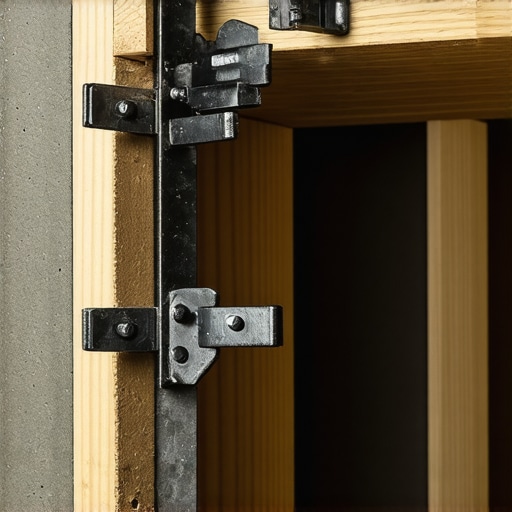 Many homeowners and even seasoned DIYers often believe that custom-built-ins and vanities are straightforward projects, but there’s a lot more beneath the surface that can trip you up. One widespread misconception is that standard wall anchors are sufficient for heavy fixtures. In reality, relying solely on plastic drywall anchors is a recipe for disaster, especially with modern, weighty materials like quartz or stone. Experts emphasize the importance of secure attachment to wall studs or using steel reinforcement techniques to prevent sagging and detachment (source: Effortless Storage Solutions).
A common mistake is overlooking the wall composition entirely. Walls of different materials—masonry, plaster, or drywall—demand distinct reinforcement methods. For example, installing heavy built-ins on drywall without locating studs is a silent setup for failure, which can cause costly repairs and safety hazards. Advanced installers now use magnetic stud finders and acoustic testing to identify optimal anchor points, ensuring longevity.
Another often-ignored nuance is the importance of accounting for load distribution. Even when anchored properly, placing all weight at a single point can lead to unpredictable stress on the wall. Distributing weight evenly with continuous support elements, like steel rails or back panels, can significantly extend the lifespan of your built-ins. This approach is especially vital when integrating electronics or heavy hardware, which many underestimate.
Have you ever fallen into this trap? Let me know in the comments.
What most people miss is how the installation environment impacts durability. Moisture-prone areas, like bathrooms, require additional waterproofing and corrosion-resistant reinforcement. Without addressing these hidden factors, even the most well-installed fixtures can deteriorate rapidly. Experts recommend sealing all penetrations and using rust-proof materials to mitigate this risk.
Furthermore, the aesthetics of built-ins are often prioritized over their structural integrity. For a seamless look, many attempt to scribe or shim units to uneven walls, but this can lead to gaps, instability, or future sagging if not done carefully. Precision measurements and multi-layered assessment are crucial—something that only experienced installers master.
In addition, advanced design considerations—such as integrating hidden support brackets or steel braces—are overlooked by many. These nuances not only reinforce the structure but also preserve the clean, minimal aesthetic that modern design demands. For instance, steel strapping behind floating vanity units prevents vibrations and wobbling over years of use.
In summary, understanding the complexities of wall materials, load distribution, environmental factors, and hidden reinforcement techniques transforms a basic installation into a long-lasting feature. If you’re interested in elevating your project, exploring dedicated resources on reinforcement strategies can be a game-changer. For detailed guides and professional tips, check out our built-in storage ideas or get in touch for tailored solutions.
Tools I Recommend for Reliable Vanity Support
Maintaining wall-hung vanities over time requires precise tools that ensure ongoing stability and safety. Personally, I rely on a high-quality cordless drill like the Makita XFD10Z—which offers cordless convenience and ample torque for installing heavy-duty anchors and steel reinforcements. Its variable speed control helps prevent overdriving fasteners, preserving wall integrity. Additionally, a laser level such as the Bosch GPL 3.0 brings unmatched accuracy during adjustments, especially when aligning multiple components for symmetrical support.
For identifying hidden wall studs, I favor the Franklin Sensors ProSensor 710+ because it detects multiple studs simultaneously, reducing guesswork. When working with masonry or concrete walls, I opt for SDS Max rotary hammers combined with carbide-tipped masonry bits, ensuring durable, clean holes for anchors. These tools have proven indispensable in my experience, preventing the need for repetitive drillings that damage walls and waste time.
Software and Methods that Prolong Your Vanity’s Life
Complementing your physical toolkit, utilizing digital measurement apps like iHandy Level enhances precision during installation. I often pre-measure distances and angles with my smartphone to plan reinforcement placements before starting work, minimizing errors that could lead to future wobbling or sagging. For documentation and future repairs, creating detailed installation logs with images and notes helps track reinforcement techniques and materials used, streamlining maintenance if adjustments become necessary down the line.
Regular inspections are crucial. Setting up a routine—every six months—to check for loosened brackets or shifted supports can save you costly repairs down the road. I recommend a simple checklist that includes verifying anchor tightness, inspecting sealant integrity, and assessing the wall’s overall condition. This proactive approach is especially vital in humid environments, which accelerate corrosion or material degradation.
Anticipating Trends in Vanities and Reinforcement Tech
Looking ahead, I predict that the integration of smart support systems will become standard. For instance, wireless strain gauges could monitor wall stress in real-time, alerting homeowners to potential issues before visible signs appear. Advances in ultra-lightweight, high-strength composite materials will also make installing large, heavy countertops even safer without increasing wall load. Staying updated through resources like expert design tips can help you leverage new tools and materials effectively.
Ever Wonder How to Keep Your Vanity Supporting System in Prime Condition?
Implementing a routine inspection and maintenance schedule can drastically extend the lifespan of your installation. Try using the tools and methods mentioned—like a laser level or digital measurement apps—and see how they simplify maintenance. Remember, proactive upkeep isn’t just about safety; it’s about preserving your home’s aesthetics and worth. For detailed guidance on long-term support strategies, consult professionals or visit our contact page.
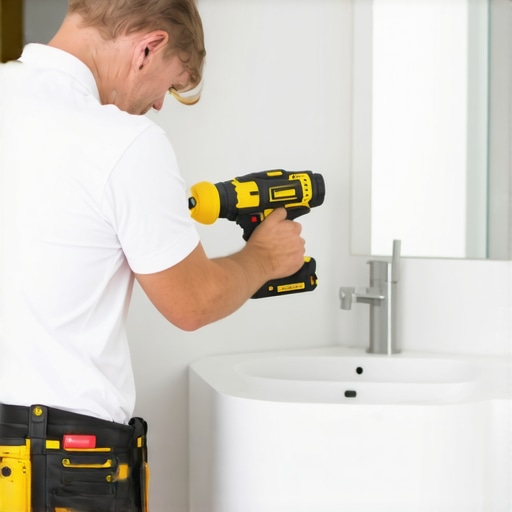
Photo illustrating a professional using a laser level and cordless drill during vanity reinforcement, highlighting precise installation techniques for durability and safety.
The Hardest Lesson I Learned About built-ins,installation,vanities,storage solutions
One of my most valuable lessons was discovering that relying solely on basic drywall anchors is a shortcut that can backfire, especially with heavier, modern materials. Early on, I underestimated the importance of locating wall studs and integrating steel supports, which led to wobbly fixtures and costly fixes. The lightbulb moment came when I realized that every successful installation hinges on proper reinforcement, not just aesthetic appeal.
3 Myths About built-ins,installation,vanities,storage solutions That Held Me Back
Myth one: If it looks good, it’s secure. Reality: Visual perfection doesn’t guarantee stability. Myth two: All walls are created equal. Reality: Masonry, drywall, and plaster each demand tailored reinforcement techniques. Myth three: Reinforcing adds unnecessary complexity. Reality: It’s the foundation for longevity and safety. Busting these myths transformed my approach from guesswork to craftsmanship.
What Experts Won’t Tell You About built-ins,installation,vanities,storage solutions
Professionals know that invisible reinforcements—like steel wall ties and continuous support rails—are game-changers. They also understand the critical role of environmental factors, such as humidity, which can accelerate material deterioration if not addressed. My biggest revelation was that proactive waterproofing and rust-proof materials extend lifespan far beyond expectations, making the extra effort worthwhile for peace of mind.
My Essential Toolkit for Reinforced Built-Ins and Vanities
I swear by a high-quality cordless drill such as the Makita XFD10Z; it provides the power and control needed for heavy-duty anchors. The Bosch GPL 3.0 laser level ensures precise alignment, reducing errors that could compromise support. A Franklin Sensors ProSensor 710+ stud finder helps me locate optimal anchors quickly. For masonry walls, I rely on SDS Max rotary Hammers with carbide bits—trust me, these tools save time and prevent damage.
Where to Go from Here
If you’re committed to installing built-ins and vanities that last, exploring detailed guides like our built-in storage ideas or professional reinforcement techniques will elevate your craftsmanship. Remember, the difference between a fleeting fixture and a timeless feature is the reinforcement you incorporate today. Stay updated with innovative materials and methods by following trusted resources and forums dedicated to home improvement. Your efforts now will pay off in a beautifully supported, safe, and durable space that stands the test of time.
Related Posts
Effective Vanities & Storage Installation Tips for 2025
I remember the first time I tried to install a…

Top Vanities & Built-in Cabinets for Seamless Home Upgrades 2025
I still remember the moment I realized my bathroom storage…
Smart Vanities & Built-in Storage: Installation Tips for 2025
It was the morning I realized I’d wasted hours wrestling…